Best Hedges for Wildlife in Ireland: Create Thriving Natural Habitats
Complete guide to wildlife-supporting hedges in Ireland. Learn native species, bird nesting habitats, pollinator support, and wildlife-conscious hedge management based on Teagasc and NPWS recommendations.
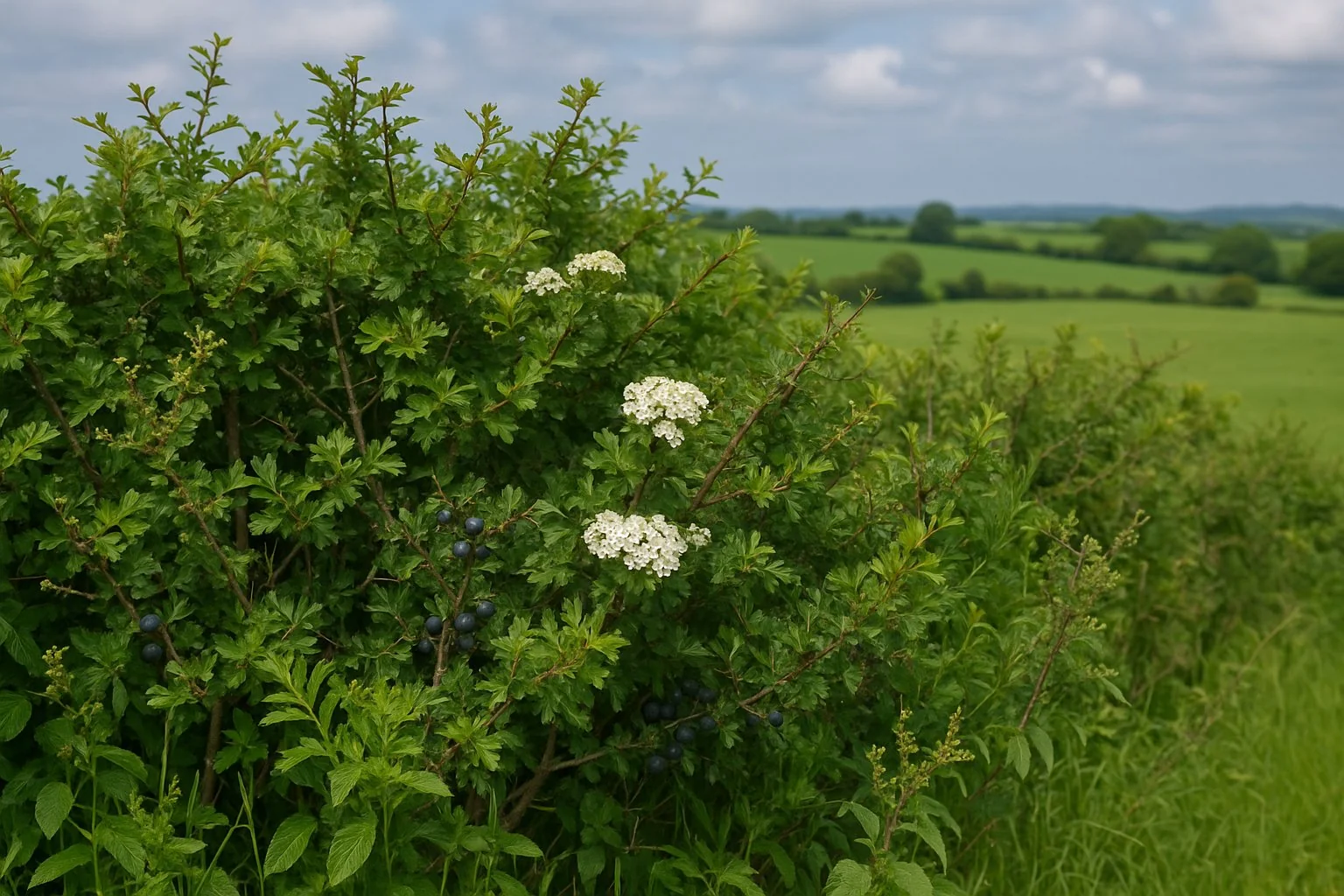
Irish hedgerows are biodiversity powerhouses. According to Teagasc, 55 of Ireland’s 110 regularly recorded bird species use hedges, with 35 species actually nesting in them. That’s incredible wildlife value sitting right there in your garden boundary.
But here’s what most people don’t realize—not all hedges support wildlife equally. The wrong species choices can create green deserts that look pretty but provide virtually no ecological benefit. Meanwhile, proper native hedges become bustling ecosystems that feed birds, shelter wildlife, and support Ireland’s struggling pollinator populations.
BirdWatch Ireland confirms that our native hedgerows are vital for pollinator survival, providing food from spring through autumn, shelter for nesting, and crucial corridors that help pollinators move through fragmented landscapes. With one-third of Ireland’s bee species under threat of extinction, your hedge choices genuinely matter for conservation.
The secret lies in choosing native Irish species of Irish provenance—plants grown here from seed collected from Irish trees. Teagasc research shows these plants are perfectly synchronized with our wildlife, with flowering times that match when dependent species need them most.

Understanding Irish Wildlife Needs
Ireland’s unique island ecosystem creates specific requirements for wildlife-supporting hedges that differ significantly from continental European or British recommendations.
Native Bird Species and Nesting Requirements
The Countryside Bird Survey records show hedges support over half of Ireland’s breeding bird species. These birds have evolved alongside our native plants for thousands of years, creating specialized relationships that exotic plants simply cannot replicate.
Common garden birds using Irish hedges include blackbirds, blue tits, robins, wrens, and chaffinches. Each species has specific nesting requirements that native hedge plants have evolved to meet perfectly through their growth patterns and seasonal timing.
Hedge height matters enormously for nesting success. Teagasc recommends hedges should be at least 1.5 meters high for birds to nest successfully, providing adequate cover both above and below nest sites to protect from predators.
Dense thorny protection creates the security birds need during vulnerable nesting periods. Native thorn species including hawthorn and blackthorn provide impenetrable barriers that cats and other predators cannot penetrate, making hedge location safe for raising young.
Seasonal timing of hedge management affects nesting success dramatically. Under the Wildlife Act 1976, hedge cutting between March 1st and August 31st is prohibited specifically to protect nesting birds during breeding season when disturbance can destroy entire generations.
Multiple nesting opportunities occur when hedges contain varied structure and species. Different birds prefer different heights and branch formations, with diverse native hedges accommodating various species simultaneously throughout the breeding season.
Pollinator Species Across Seasons
Ireland supports 99 bee species—77 solitary bees, 21 bumble bees, and our single honey bee species. According to Teagasc research, one-third of these species face extinction threats, making hedge habitats critically important for their survival.
The All-Ireland Pollinator Plan confirms that farmland hedgerows are vital to pollinator survival. These living corridors provide essential food sources through consistent nectar and pollen availability from spring through autumn when other habitats may be scarce.
Native plant relationships with Irish pollinators developed over millennia, creating specialized partnerships that imported plants cannot replicate regardless of their attractive flowers. Native species provide exactly the right nutrients at precisely the times local pollinators need them.
Seasonal progression of native flowering ensures consistent food supplies. Early species like blackthorn provide crucial March nectar when queen bumblebees emerge from hibernation and need immediate high-energy food to establish new colonies successfully.
Hedge corridors function as pollinator highways, allowing bees and butterflies to move safely between feeding areas while finding shelter during adverse weather conditions common in Irish climate.
Overwintering habitat within hedge systems supports pollinators through harsh winter months. Dense vegetation and accumulated organic matter provide protected environments where beneficial insects can survive until spring emergence.
Small Mammal Habitat Preferences
Irish hedgerows support diverse small mammal populations including hedgehogs, wood mice, shrews, and various bat species that depend on hedge systems for shelter, food, and movement corridors.
All nine resident bat species in Ireland use hedges according to Teagasc data. The network of hedges provides corridors for movement as well as feeding habitat where bats hunt insects attracted to native flowers during evening and night hours.
Hedgehogs require ground-level access through hedge bases plus dense cover for daytime resting. Native hedge systems naturally develop the gaps and undergrowth structure that hedgehogs need for successful foraging and shelter.
Wood mice and shrews benefit from the abundant insect populations that native hedges support. These small mammals provide natural pest control while requiring the rich invertebrate communities that only native plants can sustain.
Year-round food sources from native berries, seeds, and insects ensure small mammal populations can survive through challenging winter periods when alternative food sources become scarce in managed landscapes.
Connected habitat networks allow small mammals to move safely between territories for feeding and breeding without crossing open ground where they become vulnerable to predators.
Beneficial Insect Populations
Native hedge species support dramatically higher insect diversity compared to exotic alternatives. For example, native hawthorn supports around 125 species of moths, while most non-native species support very few specialized insects.
Predatory insects sheltering in hedge systems provide natural pest control worth substantial economic value to connected gardens and agricultural areas. These beneficial species hunt garden pests while requiring native plants for their complete life cycles.
Parasitic wasps and beneficial flies use hedge flowers for nectar while their larvae parasitize garden pests like aphids and caterpillars. A diverse native hedge can support dozens of beneficial species that eliminate pest problems naturally.
Pollinating insects beyond bees—including beneficial flies, beetles, and butterflies—depend on native hedge flowers for nutrition while providing additional pollination services to connected gardens and wild plants.
Ecosystem stability develops when native hedges support complete food webs from plants through herbivorous insects to predators and parasites. These stable systems resist pest outbreaks and provide consistent ecosystem services.
Top Wildlife-Supporting Native Hedge Species
Based on Teagasc recommendations and nursery availability, these native Irish species provide maximum wildlife value while adapting perfectly to local growing conditions.
Hawthorn (Crataegus monogyna) - Ireland’s Premier Wildlife Hedge
Hawthorn, known as whitethorn or May tree in Ireland, represents our single most valuable wildlife hedge species. Called ‘Sceach gheal’ in Irish, this native supports more wildlife than any other hedging plant available.
Teagasc specifically recommends hawthorn as essential for wildlife hedges, providing both flowers for bees and fruit for birds and small mammals. The species tolerance for trimming makes it ideal for managed hedge systems that need occasional maintenance.
Wildlife support from hawthorn is extraordinary—around 125 moth species associate with this single plant, providing food for insectivorous birds throughout the growing season. The dense thorny crown offers secure nesting sites while berries (haws) feed birds through winter.
Spring flowering creates massive white displays during May that support enormous pollinator populations. The timing coincides perfectly with peak bee activity when colonies need maximum nectar for growth and development.
Autumn berry production provides essential winter food for resident birds and migrating species. Haws remain available through harsh weather periods when other food sources become buried or unavailable.
Traditional hedging value led to hawthorn’s widespread use during 18th and 19th-century field enclosures. Its thorny branches create effective livestock barriers while requiring minimal maintenance once established.
Cullen Nurseries, an award-winning DAFM approved supplier, includes hawthorn in their native hedging plant packs for €17.00, demonstrating current availability and pricing for quality Irish-grown stock.
Blackthorn (Prunus spinosa) - Early Season Pollinator Support
Blackthorn provides crucial early-season wildlife support through March flowering that occurs before leaves emerge, creating spectacular displays when few other plants offer meaningful nectar sources.
The scientific name Prunus spinosa reflects this species’ extremely thorny nature—thorns are approximately double the length of hawthorn’s spines, creating virtually impenetrable barriers perfect for bird nesting security.
Wildlife benefits include support for specialized moth species and other insects that depend on early flowering for successful reproduction. The tough, dark wood also provides excellent nesting structure for various bird species.
Sloe berry production in autumn extends wildlife feeding opportunities through different nutritional content than hawthorn berries, supporting dietary diversity for birds and small mammals during winter months.
Livestock protection through blackthorn’s aggressive thorns makes it popular with cattle farmers seeking stockproof hedgerows. The fast-growing nature allows quick establishment of effective barriers.
Traditional uses include walking stick and shillelagh production from the exceptionally hard wood, demonstrating this species’ cultural importance in Irish heritage alongside its ecological value.
Irish nurseries including Future Forests and Kearney’s Nursery list blackthorn among their most popular native hedge varieties, confirming continued availability for wildlife hedge projects.
Elder (Sambucus canadensis) - Multi-Season Wildlife Benefits
Elder provides distinctive wildlife value through its massive flower heads and abundant berry production that supports different wildlife species throughout extended seasons.
Summer flowering creates some of Ireland’s largest native flower displays, with individual flower heads measuring 10-15cm across. These umbrella-shaped clusters provide landing platforms for insects ranging from tiny beneficial wasps to large beetles.
Wildlife diversity on elder flowers typically includes numerous bee species, beneficial flies, beetles, and butterflies that use the easily accessible nectar and pollen during peak summer activity periods.
Autumn elderberry production attracts enormous bird populations including resident species and migrants requiring high-energy food for successful winter survival or long-distance journeys.
Traditional medicinal and culinary uses of elderflowers and berries connect this species to Irish cultural heritage while providing modern homeowners with additional benefits beyond wildlife support.
Growth characteristics include rapid establishment and tolerance for various soil conditions, making elder suitable for challenging sites where other species might struggle to establish successfully.
Nursery availability through suppliers like Future Forests ensures elder remains accessible for wildlife hedge projects, though specific pricing varies with plant size and growing season.
Dog Rose (Rosa canina) - Native Climbing Wildlife Habitat
Dog rose provides unique vertical habitat structure through its climbing growth habit that creates layered ecosystems supporting different wildlife species at various heights throughout the hedge system.
Wildlife benefits include summer flowering that attracts specialized rose-feeding beetles and other beneficial insects. The fragrant flowers also support night-flying moths and evening pollinators when many other plants reduce nectar production.
Rosehip production creates large, vitamin-rich fruits that provide exceptional nutrition for birds during challenging winter conditions. The high vitamin C content supports immune systems during disease-prone periods.
Thorny protection from flexible canes creates dense barriers while allowing wildlife access through gaps that predators cannot navigate safely. This combination provides security with accessibility.
Traditional uses of rosehips for vitamin C supplementation during winter months connect this species to Irish folk medicine while providing modern foraging opportunities for interested homeowners.
Climbing integration with other hedge species creates complex habitat structure that supports maximum wildlife diversity. Dog rose can weave through hawthorn and blackthorn to create multi-layered ecosystems.
Irish suppliers including those offering native hedging packs typically include dog rose varieties, ensuring availability for wildlife-focused hedge projects seeking maximum habitat diversity.

Legal Framework and Wildlife Protection
Understanding Ireland’s wildlife protection laws ensures hedge management complies with legal requirements while supporting conservation objectives.
Wildlife Acts and Hedge Cutting Prohibitions
Section 40 of the Wildlife Act 1976, as amended by the 2000 Act, prohibits cutting, burning, or destroying hedge vegetation between March 1st and August 31st. This protection period covers the entire nesting season when birds are most vulnerable.
BirdWatch Ireland emphasizes that the purpose of this ban is preventing disturbance and destruction of nesting sites used by Ireland’s wild bird species. Violations carry substantial fines and prosecution under wildlife protection legislation.
Separate provisions under Section 22 make it illegal to disturb nesting birds, destroy eggs, or damage nests at any time of year. This additional protection ensures year-round consideration for wildlife even outside the main nesting season.
Legal exemptions exist for genuine safety concerns and some agricultural activities, but these require careful consideration and often consultation with wildlife rangers to ensure compliance with the spirit of the legislation.
Enforcement includes regular inspections and public reporting of violations. In 2023, one-third of agricultural sanctions from the Department of Agriculture involved hedge cutting during prohibited periods, demonstrating active enforcement.
Professional hedge services understand these legal requirements and schedule work appropriately. Reputable providers plan hedge maintenance between September and February to comply with wildlife protection laws.
Best Practice Timing for Wildlife Conservation
September through February represents the optimal window for hedge maintenance that supports wildlife while maintaining attractive, functional hedge systems for property boundaries and privacy.
Early autumn cutting (September-October) allows time for hedge recovery before winter while ensuring berry production remains available for early winter bird feeding when natural food sources become scarce.
Winter maintenance (November-February) provides maximum time for hedge recovery before the next nesting season while avoiding disturbance during the most critical wildlife periods.
Rotational cutting schedules maintain hedge function while preserving some sections undisturbed each year. Teagasc recommends “little and often” trimming rather than severe cutting that removes years of growth.
Species-specific timing considerations recognize that different plants respond better to cutting at particular times within the permitted window, optimizing both plant health and wildlife value.
Weather-dependent scheduling ensures cutting occurs during suitable conditions when work can be completed efficiently without creating additional stress for both plants and wildlife.
ACRES Programme and Native Species Requirements
The ACRES (Agri-Climate Rural Environment Scheme) programme requires specific native species combinations for farmers receiving environmental payments, demonstrating government commitment to wildlife-supporting hedgerows.
Teagasc guidelines for ACRES specify that new hedges must contain 5 plants per meter in double staggered rows, with mixed species from the approved Department hedgerow list ensuring biodiversity benefits.
Native Irish provenance requirements ensure plants used in ACRES hedges are grown from seed collected from Irish trees, maintaining genetic adaptation to local conditions while supporting native wildlife relationships.
Plant passport requirements guarantee the origin and health status of hedging plants, protecting against disease introduction while ensuring authentic native species rather than foreign cultivars.
Completion deadlines for ACRES tranche 1 hedge planting occurred by March 31st, 2024, with substantial farmer participation demonstrating widespread adoption of wildlife-supporting hedge practices.
Professional compliance with ACRES requirements provides expertise for residential hedge projects seeking similar wildlife benefits while meeting the highest standards for native species selection and establishment.
Nursery Suppliers and Plant Availability
Irish nurseries specializing in native plants provide reliable sources for wildlife hedge projects while offering expert guidance on species selection and establishment.
Established Irish Native Plant Suppliers
Cullen Nurseries represents Ireland’s award-winning DAFM approved supplier specializing in native Irish trees and hedging plants. Their expertise includes quality native hedge plants at competitive prices with nationwide delivery throughout Ireland.
Native hedging plant packs from Cullen’s cost €17.00 and include carefully selected combinations of whitethorn, wild rose, dog rose, and guelder rose. These pre-designed mixes provide proven wildlife value while simplifying species selection for homeowners.
Future Forests has supplied plants by mail order since 1986, developing expertise in Irish growing conditions and wildlife requirements. Their hedging collection emphasizes native species that wildlife love, providing food, shelter, and beautiful flowers.
Delivery services from Future Forests cost €15-75 throughout Ireland and Northern Ireland, making native plants accessible regardless of location while ensuring proper handling during transport to maintain plant quality.
Hedging.ie provides specialized hedging expertise with carefully chosen varieties selected for their hardy nature and suitability for Irish climate conditions. Their focus on ease of planting and maintenance makes native hedges accessible for DIY projects.
Kearney’s Nursery (Ireland Trees) supplies popular native varieties including whitethorn, blackthorn, holly, rowan, alder, cherry, and rose with prompt nationwide delivery ensuring fresh, healthy plants for successful establishment.
Irish Mature Hedges offers instant mature hedging solutions grown at their Birr, County Offaly nursery. This option provides immediate impact for homeowners wanting established wildlife habitat without waiting years for hedge development.
Quality Considerations and Plant Selection
Native Irish provenance ensures plants are genetically adapted to local conditions while maintaining the co-evolutionary relationships with Irish wildlife that exotic varieties cannot provide.
Plant passport certification guarantees disease-free stock while confirming authentic native species rather than foreign cultivars that may look similar but lack wildlife value.
Container-grown vs bare-root options affect establishment success and planting timing. Container plants offer extended planting seasons while bare-root stock typically costs less and establishes quickly during dormant periods.
Size selection balances initial cost with establishment time. Smaller plants cost less and often establish faster, while larger specimens provide immediate impact but require more intensive care during establishment.
Supplier consultation helps match species selection to specific site conditions and wildlife objectives. Experienced nurseries understand local growing conditions and can recommend optimal combinations for particular locations.
Quality assessment includes evaluating root development, plant health, and genetic authenticity to ensure successful establishment and long-term wildlife value from hedge investments.

Hedge Design for Maximum Wildlife Value
Strategic design principles maximize wildlife benefits while creating attractive, functional hedge systems that enhance property value and ecological connectivity.
Mixed Species Composition for Year-Round Support
Biodiversity principles recommend using at least 3-5 different native species to provide varied food sources and habitat structures that support different wildlife species throughout seasonal cycles.
Flowering succession from mixed species ensures consistent nectar availability from early spring through late autumn. Blackthorn flowering in March followed by hawthorn in May and elder in summer provides continuous pollinator support.
Berry production timing varies between species, extending wildlife feeding opportunities through different fruiting periods that support birds and mammals during critical winter months.
Structural diversity from mixed plantings creates varied habitat niches suitable for different wildlife species with varying requirements for nesting height, branch thickness, and foliage density.
Professional design services understand optimal species combinations for specific locations and objectives. Expert consultation ensures hedge systems provide maximum wildlife value while meeting practical property requirements.
Native plant relationships developed over thousands of years create synergistic benefits when species are combined appropriately, supporting more wildlife than single-species hedges regardless of their individual quality.
Corridor Planning and Connectivity
Wildlife corridors connect hedge systems to existing habitat networks including parks, woodlands, streams, and neighboring hedges, creating landscape-scale conservation benefits beyond individual properties.
Continuous habitat planning links new hedges with established corridors, allowing wildlife to move safely between territories for feeding, breeding, and shelter without crossing hostile environments.
Gap management addresses unavoidable breaks in hedge systems caused by driveways, gateways, or other infrastructure. Strategic planting can create stepping-stone habitats that maintain corridor function.
Native tree integration within hedge systems provides canopy structure for larger birds while creating habitat complexity that supports maximum species diversity within limited space.
Seasonal management coordination with neighbors ensures hedge cutting schedules preserve continuous habitat availability throughout the wider landscape rather than creating temporary wildlife deserts.
Professional landscape planning considers regional habitat networks and movement patterns to position hedges for maximum conservation benefit while meeting individual property objectives and aesthetic requirements.
Integration with Garden Wildlife Features
Wildlife pond connections enhance hedge value by creating habitat diversity that supports species requiring both terrestrial and aquatic environments throughout their life cycles.
Native wildflower areas planted along hedge bases provide additional pollinator resources while creating transition zones between formal garden areas and wildlife habitat.
Compost areas near hedges provide hunting grounds for birds seeking insects while creating beneficial microclimates that support additional wildlife species.
Log piles and stone features integrated with hedge systems offer specialized habitat for reptiles, amphibians, and invertebrates that contribute to ecosystem complexity and stability.
Bird feeding stations positioned near hedges provide supplemental nutrition while encouraging wildlife use of hedge habitat for shelter and nesting opportunities.
Garden lighting considerations ensure wildlife-friendly illumination that doesn’t disrupt nocturnal species while allowing homeowners to enjoy evening garden use without compromising wildlife value.
Establishment and Long-Term Care
Proper establishment techniques ensure wildlife hedges develop quickly into functional habitats while requiring minimal ongoing maintenance once mature ecosystems develop.
Planting Techniques for Native Species Success
Site preparation should work with existing soil conditions rather than dramatically altering them, as native plants evolved to thrive in Irish soil types and characteristics without intensive amendment.
Planting density of 5 plants per meter in double staggered rows follows ACRES programme specifications that ensure adequate coverage while allowing individual plants space to develop properly.
Timing considerations favor autumn planting (October-November) when soil remains warm but moisture increases, providing optimal conditions for root establishment before winter dormancy.
Protection measures including tree guards or temporary fencing prevent damage from rabbits, deer, or livestock during vulnerable establishment periods when young plants are most susceptible.
Watering requirements are typically minimal once native plants establish, though initial irrigation during dry periods helps establishment, particularly for container-grown plants.
Competition management involves controlling aggressive weeds during the first two years while avoiding chemicals that could harm beneficial soil organisms essential for native plant health.
Ongoing Management for Wildlife Benefits
Minimal intervention approaches allow natural plant communities to develop while providing guidance that enhances wildlife value and aesthetic appeal without over-managing natural processes.
Selective pruning preserves flowering and fruiting wood while maintaining hedge structure and preventing excessive growth that could overwhelm adjacent areas or create maintenance problems.
Rotational cutting maintains hedge function while ensuring some sections remain undisturbed each year, providing continuous habitat availability throughout management cycles.
Natural pest control relies on beneficial insects and natural predators attracted to native hedge systems rather than chemical interventions that harm the wildlife the hedge is designed to support.
Organic matter management includes leaving natural leaf litter and avoiding excessive cleanup that removes habitat and food sources for beneficial insects and small mammals.
Professional maintenance services specializing in wildlife hedges understand appropriate techniques and timing that maximize conservation benefits while maintaining attractive, functional boundaries.
Monitoring Wildlife Usage and Success
Bird monitoring through observation and recording helps assess hedge success while identifying opportunities for improvement or expansion of wildlife habitat features.
Pollinator surveys during flowering periods document bee and butterfly usage that indicates successful establishment of wildlife-supporting plant communities.
Seasonal assessment tracks berry production, nesting activity, and overall wildlife usage patterns that demonstrate hedge effectiveness and guide future management decisions.
Photography documentation creates records of seasonal changes and wildlife activity that help communicate success to neighbors and inspire additional wildlife gardening initiatives.
Professional ecological surveys can provide detailed assessment of hedge wildlife value while identifying rare or significant species that may be using established habitat.
Adaptive management adjusts techniques based on observed wildlife response and changing conditions, ensuring hedges continue supporting diverse species as they mature and local ecosystems develop.
Native Irish hedges provide unmatched wildlife value while creating beautiful, functional landscape features that connect properties with Ireland’s natural heritage and conservation objectives.
Professional wildlife hedge installation ensures proper species selection and establishment techniques that maximize conservation benefits. For wildlife-conscious hedge management that preserves habitat value while maintaining attractive boundaries, experienced providers offer specialized expertise.
Consider wildlife hedges as part of native plant landscaping that supports local biodiversity while creating resilient gardens adapted to Irish conditions. Pollinator garden design integrates wildlife hedges with other habitat features for comprehensive ecosystem support throughout County Louth.