Creating Pollinator Gardens in County Louth: Support Local Wildlife
A practical guide to pollinator-friendly gardens in County Louth. Native bees, butterfly plants, mowing less, and year-round flowering to support local wildlife.
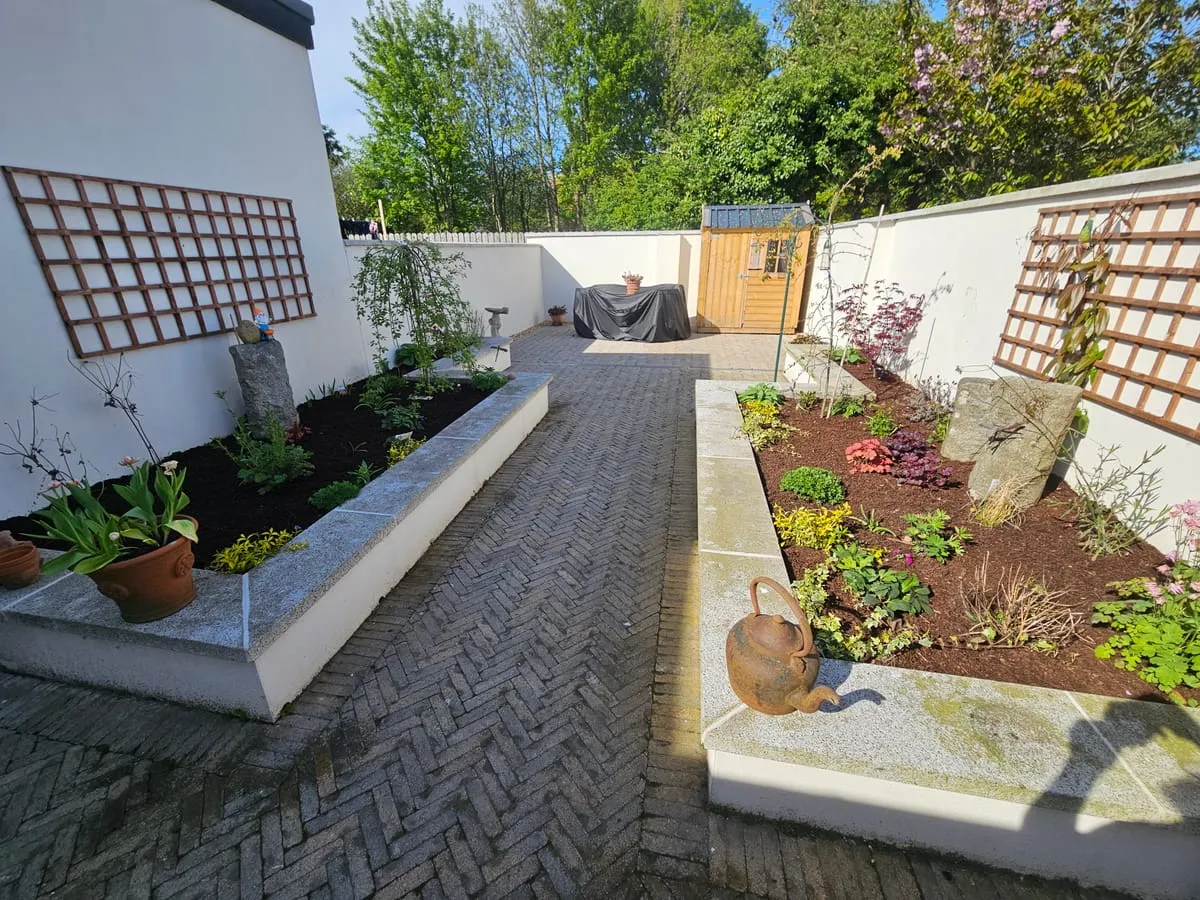
Ireland’s bees and butterflies have had a hard time of it, with many wild bee species in decline and butterfly numbers falling over the past couple of decades. The encouraging part is that gardens make a real difference. A Louth garden that flowers from early spring to autumn, with a few wilder corners, becomes a stepping stone of food and shelter between the bigger patches of habitat around us.
You do not need a wildflower meadow or a big plot. Here is how to make an ordinary garden work harder for pollinators.
Mow less from spring to autumn
If you do only one thing, do this. Letting part of your lawn grow longer from April through September lets native flowers like dandelion, clover, self-heal and bird’s-foot-trefoil come up and feed pollinators.
- For a small area, cut just once in September after the flowers have set seed, and rake off the clippings.
- For a bigger lawn, mow the paths and the bits near the house regularly, and let the rest grow longer.
- Even a narrow uncut strip helps. Many of our common brown butterflies breed on ordinary grasses and need it left standing.
Taking the clippings away each time gradually lowers the soil’s fertility, which over a few seasons lets wildflowers compete with the coarse grasses instead of being swamped by them. Adding yellow rattle seed speeds this up, as it weakens the grass and gives wildflowers room.
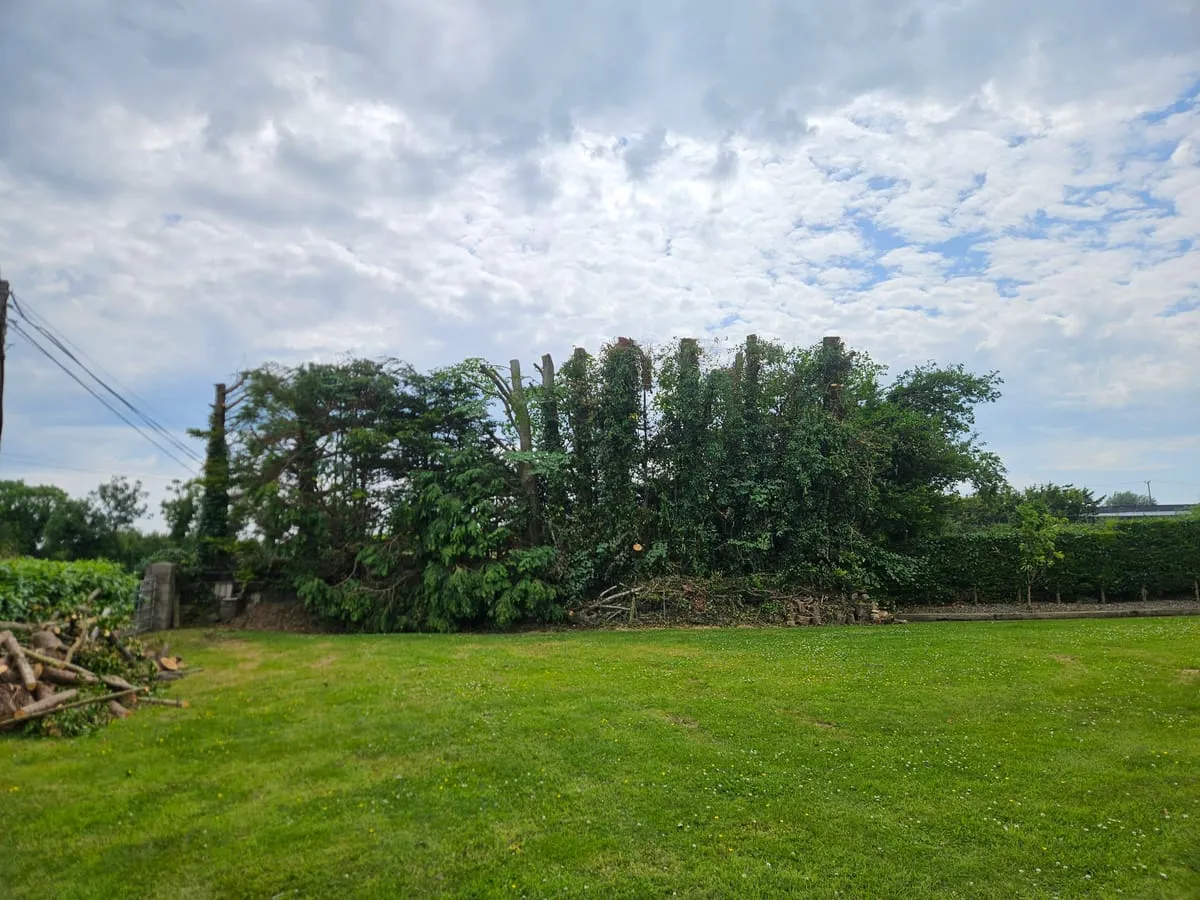
Skip the wildflower seed packets
It is tempting, but shop-bought “wildflower” mixes often contain non-native or even invasive species, and the result rarely lasts. Letting your own native flowers regenerate by mowing less is cheaper and works better in Louth conditions. If you do want to add plants, buy them from a reputable Irish nursery rather than scattering an unknown mix.
Plant for the whole season
Pollinators need food from the first warm days right through to autumn. Aim for something in flower in every month it matters.
- Early spring: pussy willow and dandelions are vital first food for bees coming out of winter. Smaller species crocuses help too.
- Summer: knapweed, field scabious, wild marjoram and thyme are bee and butterfly magnets. Bramble flowers feed a huge range of insects.
- Late season: devil’s-bit scabious and ivy flowers are crucial for bumblebee queens and late insects fattening up before winter.
Leave a few things untidy
The instinct to tidy everything is the enemy of wildlife here.
- Leave a nettle patch in a sunny corner. Several of our prettiest butterflies, including small tortoiseshell and peacock, breed only on nettles.
- Leave seed heads and dead stems standing over winter. They shelter overwintering insects and feed birds.
- Leave leaf litter under shrubs rather than clearing every last leaf.
Use the conditions you have
Different corners suit different plants, so plant to the spot:
- Damp ground: meadowsweet, purple loosestrife and water mint thrive where it stays wet, and pollinators love all three.
- Dry, sunny spots: wild marjoram and thyme cope with poor soil and pour out nectar.
- Shade under trees: primroses, wood anemone, bluebells and wild garlic carry the spring display where sun-lovers fail.
Let your boundary work too
A native hedge is one of the best pollinator features you can have. Hawthorn and blackthorn give masses of early blossom, elder feeds a wide range of insects, and rowan adds spring flowers and autumn berries. A mixed native hedge flowers over a longer stretch than a single species and feeds birds as well.
A rough seasonal routine
- Spring: hold off cutting and disturbing until things warm up. Check for early flowers before any mowing.
- Summer: keep paths cut, leave most grass long, and put out a shallow dish of water with a few stones for insects to land on.
- Autumn: do the main meadow cut in late September and rake off the cuttings. Plant native spring bulbs.
- Winter: leave the standing stems and leaf litter. Plan next year’s gaps in flowering.
We can help with the wilder approach
Managing a garden for wildlife still takes a bit of know-how, especially the timing of cuts and keeping it looking cared-for rather than neglected. If you would like a hand setting up a pollinator-friendly garden, or keeping one ticking over, we cover Dundalk and the surrounding Louth and Cooley area. Call Seamus on 085 168 5170 or get a free quote.
For planting ideas, see our guide to native Irish plants, and for keeping it all manageable, low-maintenance garden design.