A Guide to Landscaping in County Louth
A practical guide to landscaping in County Louth, Ireland. Climate, clay soils, plant choice, planning rules, drainage, seasonal timing and when to call in help.
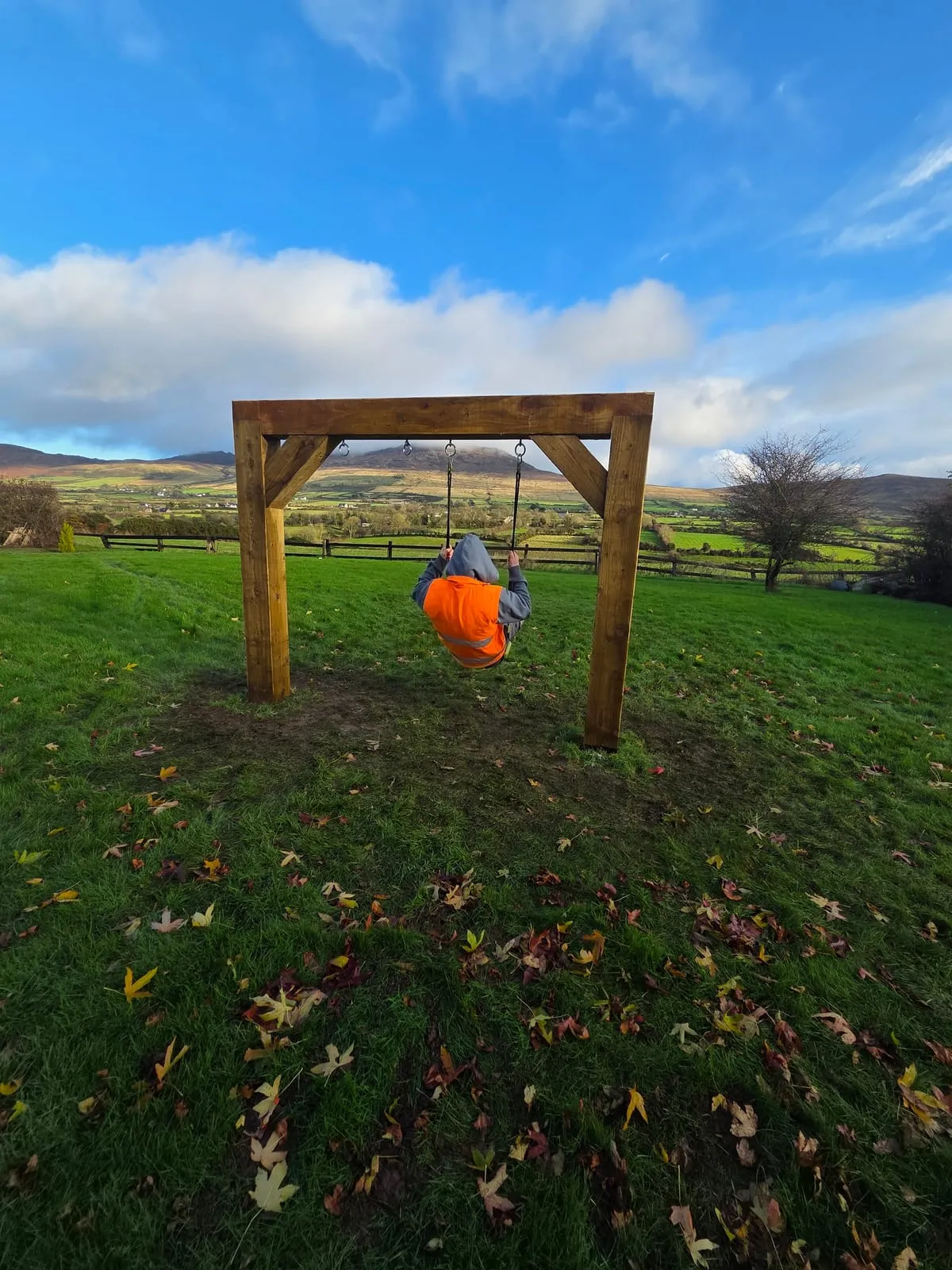
Good landscaping in Louth comes down to working with what the county gives you: mild, wet weather, plenty of wind near the coast, and a lot of heavy clay soil inland. Plan around those realities and your garden thrives with less effort. Ignore them and you end up fixing problems for years.
This guide walks through the things that actually matter when planning and building a garden around Dundalk and across the county.
Understanding Louth’s conditions
Mild, damp climate. Sitting beside the Irish Sea keeps Louth’s weather mild and wet. Hard frosts are uncommon, the growing season is long, and you rarely need to water established plants. The downside is constant moisture, which makes drainage the single biggest thing to get right.
Clay soils inland. Much of the county sits on heavy, moisture-holding clay that drains slowly. It grows things well once you respect it, but it waterlogs easily and turns to a sticky mess if you work it when wet.
Coastal exposure. Gardens from Carlingford down to the coast take salt-laden wind. That limits what you can grow at the front line and makes shelter important.
Varied ground. Between the rolling drumlin hills, river valleys and the coast, conditions change a lot over short distances. A sheltered valley garden and an exposed hilltop need different approaches.
Planning a project
Start with a proper look at the site
Before any planting or building, work out:
- Drainage. Where does water sit after heavy rain? On clay, this is the first problem to solve. Dig a test hole, fill it with water, and see how long it takes to drain.
- Shelter and exposure. Which corners are windy, which are sheltered, which get sun.
- What is worth keeping. Existing trees, hedges and mature shrubs are assets. Build around them rather than clearing everything.
Know the planning rules
Most ordinary garden work does not need planning permission, but a few things do. As a rough guide:
- Walls and fences are generally limited to 1 metre near a public road and 2 metres elsewhere without permission.
- Protected trees (those with a tree preservation order) need permission before removal or major pruning.
- Anything that changes drainage onto a neighbour’s property can cause disputes, so think it through.
If your project is large or you are unsure, check with Louth County Council before you start. It is cheaper than undoing work later.
Choosing plants that suit Louth
The golden rule is to pick plants that suit your conditions rather than fight them.
- Native trees and hedging (rowan, birch, hawthorn, blackthorn, hazel, elder) are the easiest, toughest choice and best for wildlife.
- For wet clay, lean on alder, willow, dogwood, astilbe and primulas.
- For coastal spots, choose salt-tolerant plants like hardy fuchsia and sea buckthorn, with pines or a hedge for shelter.
- For year-round interest, mix evergreen structure (holly, yew) with seasonal flower, autumn colour and winter seed heads.
For a fuller rundown, see our guide to the best plants for the County Louth climate.
Hard landscaping and drainage
On Louth clay, drainage often does more for a garden than any planting.
- French drains and soakaways carry water away from wet areas and stop them turning to bog.
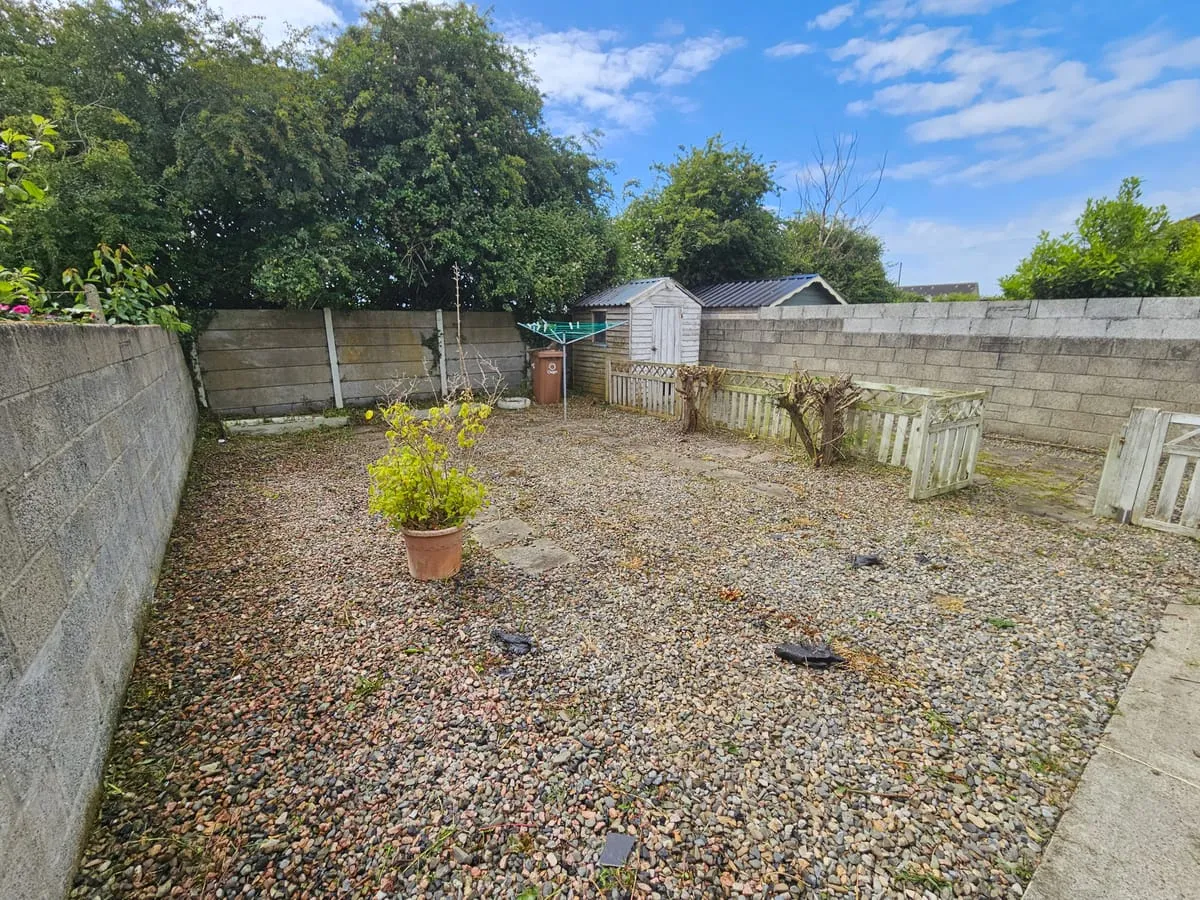
- Permeable paving and gravel let rain soak in rather than run off, and need little upkeep.
- Raised beds lift planting above heavy, wet ground and let you grow a wider range of plants.
For paths and patios, local stone weathers well and suits the landscape. Gravel is a cheap, free-draining option for informal areas.
Soft landscaping
- Lawns do well in our climate but mean regular mowing. Shrink the lawn to the area you actually use and plant up the rest to cut the workload.
- Mixed borders of shrubs and perennials, layered together, give year-round interest and close over the soil so weeds get less of a foothold.
- Native hedges make better boundaries than fences for wildlife and shelter, and need cutting only once a year.
Timing the work
- Autumn (Sept to Nov) is the best window for planting trees, shrubs and hedging, and for soil improvement. Warm soil and coming rain help everything settle.
- Spring (Mar to May) suits perennials and lawn work, but wait for the clay to dry out before cultivating it.
- Summer is for maintenance: watering new plants, deadheading, keeping on top of growth.
- Winter is for planning, bare-root planting and any hard landscaping that does not disturb dormant plants.
A key clay-soil rule: never work wet clay. Walking on or digging it when it is sodden compacts it and causes lasting damage. Wait until it dries enough to crumble.
When to bring in help
Plenty of garden work is well within reach for a confident homeowner. Some jobs are worth handing over:
- Drainage problems on clay, which need the right approach to fix properly.
- Large tree work or removals, which is genuinely dangerous and best left to a qualified tree surgeon.
- Heavy clearance and reshaping, where the right equipment saves days of effort.
- Ongoing maintenance, if you simply do not have the time to keep on top of it.
Get a free quote
If you are planning a garden project around Dundalk, or you just want regular help keeping things in order, we are happy to take a look. We cover Dundalk and the surrounding Louth and Cooley area, from clearances and planting to ongoing maintenance. Call Seamus on 085 168 5170 or get a free quote.
You might also find our low-maintenance garden design guide and our County Louth landscaping suppliers directory useful when planning.