Beech Hedge Care Guide: Maintenance for Irish Gardens
Complete beech hedge maintenance guide for Ireland. Learn pruning timing, feeding, common problems and shaping techniques for a healthy beech hedge.
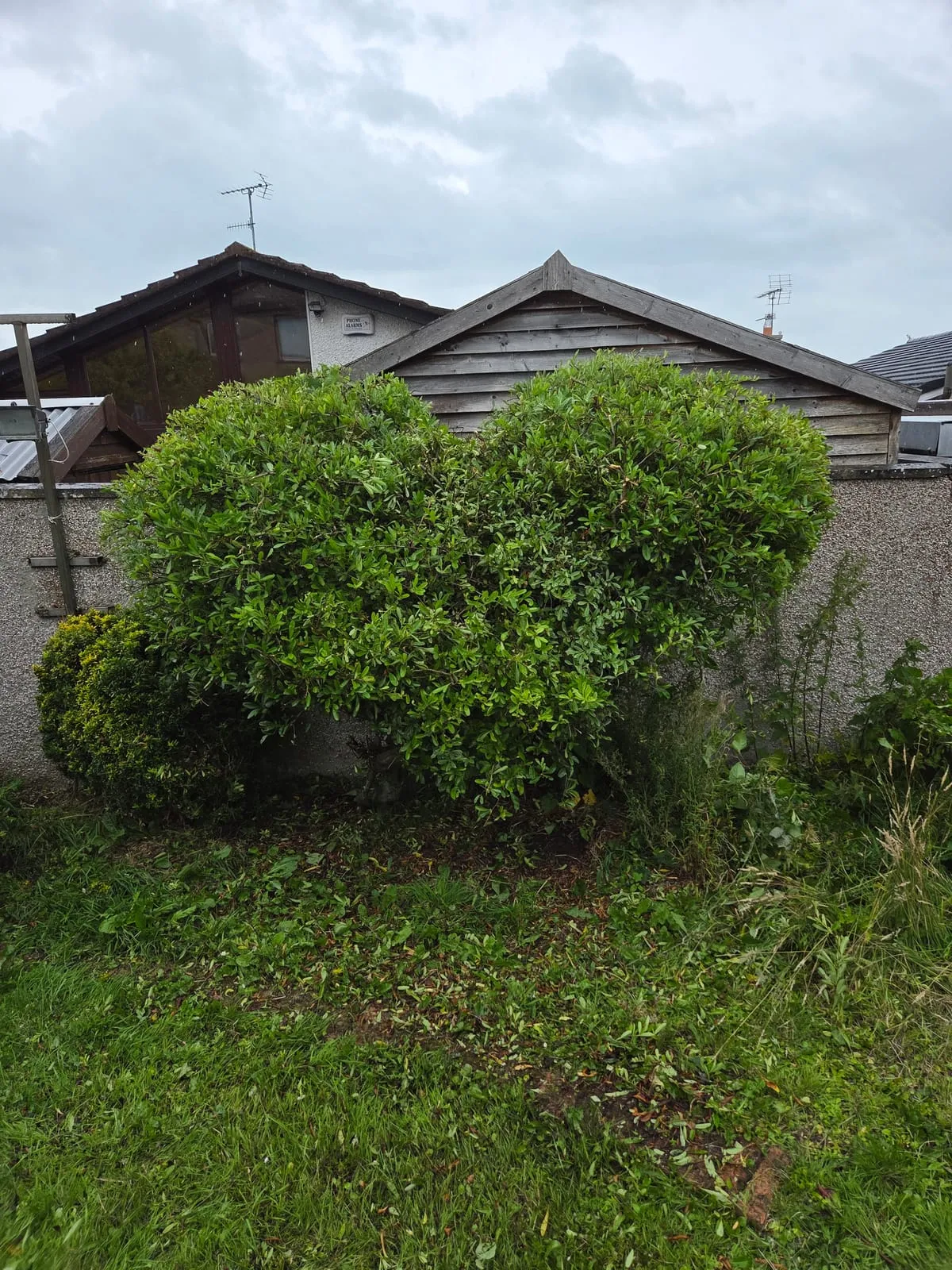
A well-kept beech hedge is one of the best features you can have in an Irish garden. The thing that makes beech special is that it holds onto its leaves through winter, turning a warm russet-brown that keeps giving you screening when every other hedge has gone bare. Care for it the right way and it lasts for decades. Get the timing wrong and you lose that winter cover.
Here is the practical guidance we use on hedges around Dundalk and the wider Louth area.
How beech grows
Beech is slower off the mark in spring than laurel or privet. Do not panic if it still looks bare while the rest of the garden is waking up. The real push comes in late spring and early summer, roughly May to July, and that is when the hedge puts on most of its growth for the year.
The clever bit is the leaf retention. Instead of dropping everything in autumn, a beech hedge keeps its bronzed leaves through the winter and only pushes them off when new growth arrives in spring. That is why it works so well as a year-round windbreak and privacy screen.
Young hedges need different care to established ones. For the first few years a new beech hedge is busy putting down roots and building its framework. Go easy on it - no hard pruning, light feeding only. Once it is well established it can take firmer cutting and regular feeding.
When to cut a beech hedge
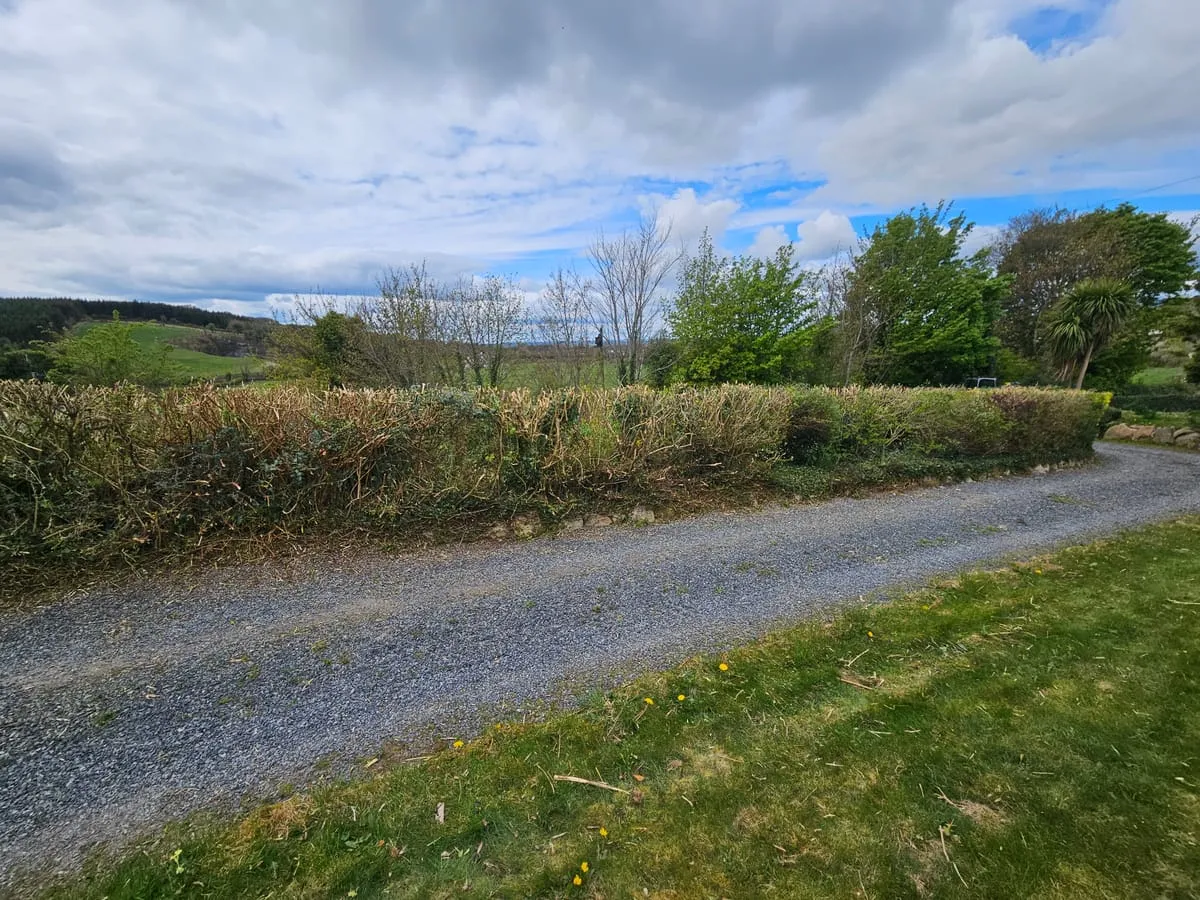
The single most important rule: trim beech once a year, in August. Cutting in late summer lets the hedge hold its fresh growth right through the winter, which is exactly what gives you that dense russet screening.
A few things that make a real difference:
- Use sharp blades. Blunt trimmers tear the wood rather than cut it, and torn wood heals badly and lets disease in.
- Taper the sides. Keep the hedge slightly wider at the base than the top. That lets light reach the bottom so it stays full instead of going thin and bare at the bottom.
- Do not cut during nesting season. Under Irish wildlife law you should not be cutting hedges between 1 March and 31 August, so plan your main cut for late August once nesting is over.
Feeding and soil
Beech is not a hungry plant, but it does respond to a bit of feeding. Early spring, before growth really starts, is the time to give it a balanced general fertiliser. After that, leave it alone.
Drainage matters more than most people realise here. After a wet Louth winter the ground around a hedge base can stay waterlogged for weeks, and beech does not like sitting in cold, wet soil. If your ground is heavy clay, improving drainage and avoiding compaction around the base will do the hedge far more good than any feed.
Common beech hedge problems
Most issues come down to air, water and timing.
- Powdery mildew shows up as a white dusty film on the leaves, usually where air cannot move freely through the hedge. Better spacing and avoiding overcrowding prevents most of it.
- Aphids can build up in a warm spring before the ladybirds and other predators catch up. A quick check now and then catches them early.
- Thin, bare bottoms are almost always a light problem, caused by cutting the hedge straight up the sides instead of tapering it. The fix is the taper described above.
If the hedge has been wet for a long spell and you see widespread yellowing and dieback, that can point to root problems from poor drainage rather than a leaf disease, and the answer is usually drainage, not spraying.
Bringing back an overgrown hedge
A neglected beech hedge can be renovated, but it takes patience. Do hard reduction work in the dormant season, take it back gradually rather than all in one go, and give it a season to recover before the next stage. Beech is forgiving if you do not rush it.
Need a hand with your hedge?
We cover Dundalk, the Cooley peninsula and the surrounding Louth area for hedge cutting, shaping and renovation. If your beech hedge needs its annual August cut, or it has got away from you and needs bringing back into shape, give Seamus a call on 085 168 5170 or get a free quote. Happy to take a look and tell you honestly what it needs.