Best Plants for County Louth Climate: A Growing Guide for Irish Gardens
A practical guide to the best plants for County Louth's climate. Trees, shrubs, hedging and perennials that cope with our wet, mild weather, coastal wind and clay soils.
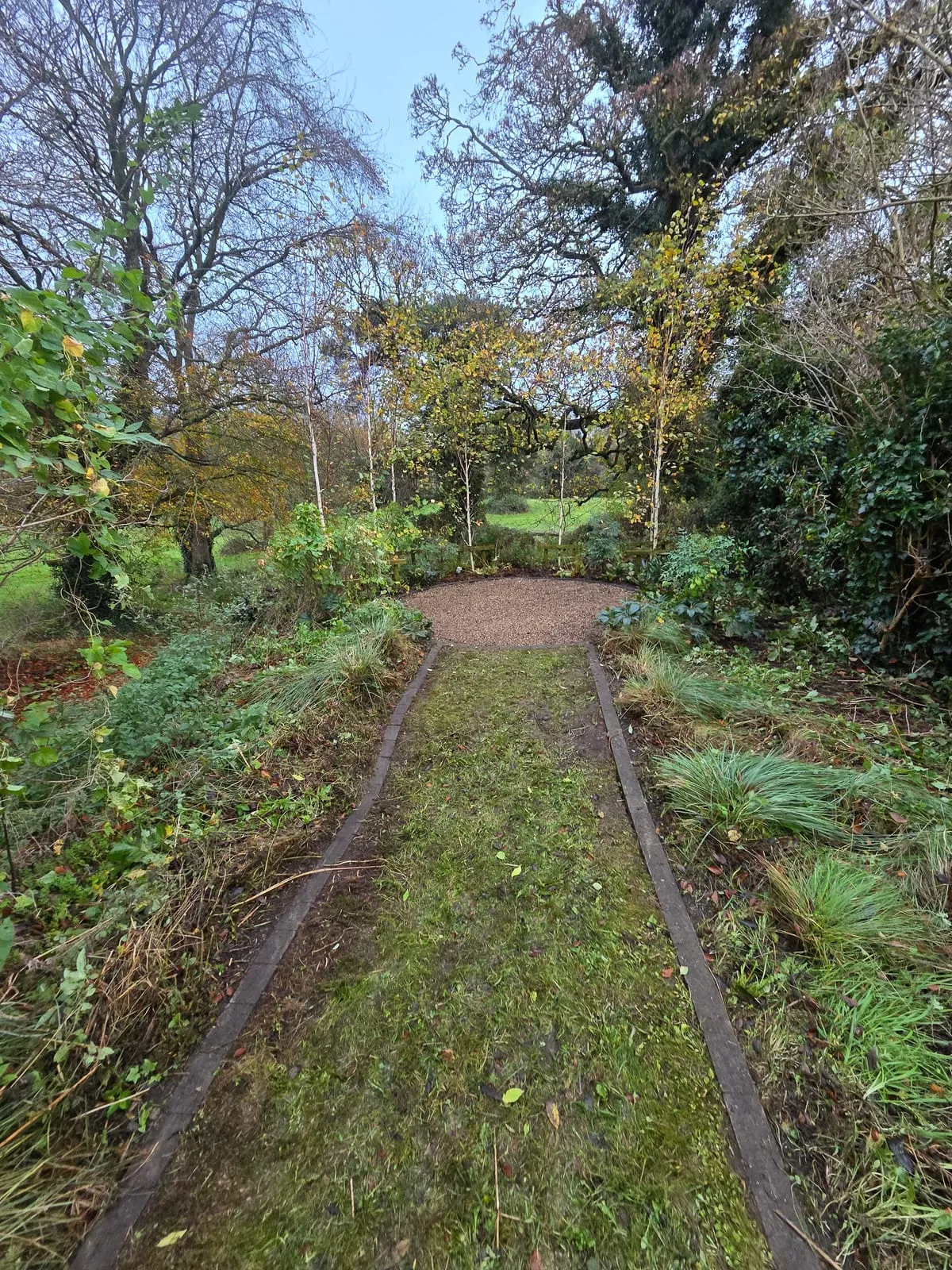
The plants that thrive in a Louth garden are the ones suited to mild, wet, breezy weather and, often, heavy clay soil. Get the match right and your garden mostly looks after itself. Get it wrong and you spend the year nursing plants that never settle.
This guide runs through trees, shrubs, hedging and perennials that reliably do well around Dundalk and the wider county, with notes for coastal, inland and town gardens.
What our climate means for plants
A few simple things shape what works here:
- Mild and damp. Winters are rarely harsh and summers rarely hot. That suits lush, leafy, moisture-loving plants and lets some slightly tender ones survive in sheltered spots.
- Plenty of rain. You almost never need to water an established border. The flip side is that drainage matters, especially on clay.
- Wind, especially near the coast. Exposed and seaside gardens need tough, flexible, salt-tolerant plants, or a windbreak to shelter the rest.
- Heavy clay inland. Much of Louth sits on moisture-holding clay. Choose plants that like it damp rather than ones that need sharp drainage.
The practical takeaway: match the plant to the spot. A salt-blasted front garden in Carlingford and a sheltered, clay back garden in Ardee want very different things.
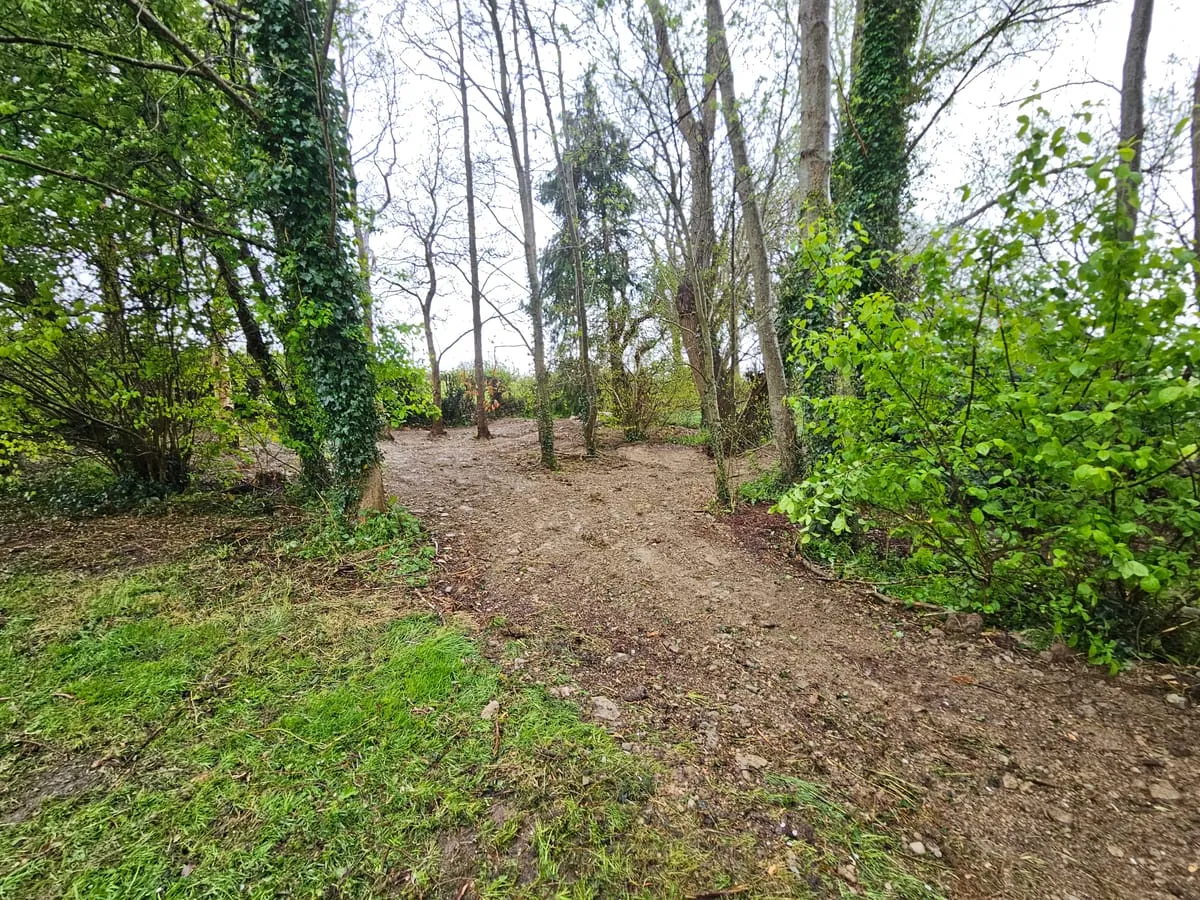
Trees for Louth gardens
Pick for the size of your garden first, then the conditions.
Reliable natives
- Rowan (mountain ash) - modest size, spring flowers, autumn berries for the birds. One of the best small-garden trees.
- Silver and downy birch - graceful and quick to establish. Downy birch in particular handles wet clay.
- Oak - superb for wildlife but a large, long-term tree for big plots only.
- Alder and willow - the go-to choices for permanently damp or boggy ground where most trees would drown.
A note on ash: dieback disease is widespread, so this is not the time to plant new ash. Keep an eye on mature ash you already have.
Ornamental trees that cope here
- Field maple for reliable autumn colour.
- Cherry for spring blossom, ideally in a spot with some shelter from wind.
Shrubs and hedging
Native hedging is hard to beat for a boundary: hawthorn, blackthorn, hazel and elder give you flowers, berries, wildlife and wind protection, and need cutting just once a year. Mix a few species for a longer season of interest.
Garden shrubs that do well in our climate:
- Hydrangeas - thrive in our moist, mild conditions and flower for months. Soil acidity nudges the colour blue or pink.
- Fuchsia - especially the hardy Fuchsia magellanica, which shrugs off coastal wind and salt and flowers all summer. You see it in hedges right along the west and around the coast for good reason.
- Rhododendrons - excellent where the soil is acidic and the spot is sheltered from strong wind.
Formal hedging options that take regular clipping include beech, hornbeam (better than beech on heavy clay) and yew for a slow, dense, formal line.
Perennials for year-round interest
Our damp, partly shaded gardens suit a lot of dependable perennials:
- Spring: snowdrops, crocus, daffodils and wild garlic for shade.
- Summer: astilbe and hostas for moist, shady spots; heuchera for colourful foliage. Watch hostas for slugs, which love our climate as much as the plants do.
- Autumn: asters and sedums for late colour and late nectar.
- Winter: bergenia and hellebores for structure and early flowers, plus ornamental grasses left standing for movement and seed heads.
Plants for specific spots
Coastal and exposed gardens. Reach for salt- and wind-tolerant plants: hardy fuchsia, sea buckthorn, pines for a windbreak, and sea thrift and marram-type grasses near the front line. Establish a tough outer layer first, then plant softer things in the shelter behind it.
Heavy clay inland. Lean into plants that like it damp: alder and willow for trees; dogwood and elder for shrubs; astilbe and primulas for perennials. Raised beds and a bit of added organic matter help if you want to grow things that prefer better drainage.
Town and small gardens in Dundalk and Drogheda. Choose tougher, pollution-tolerant plants and make the most of pots and vertical space. Hostas and heuchera do well in containers and shade, and a small tree like rowan suits a tight space.
A simple planting calendar
- Autumn (Sept to Nov): the best time to plant trees, shrubs and hedging. Warm soil and coming rain help roots settle before winter. Plant spring bulbs now too.
- Spring (Mar to May): good for perennials and for any bare-root stock you missed in winter. Wait until frost risk passes before putting out anything tender.
- Summer: mostly maintenance. Keep new plants watered through dry spells, but established borders rarely need it.
- Winter: plan, prepare beds, and plant bare-root hedging while it is dormant and cheap.
Want a hand choosing or planting?
Picking the right plants for your particular garden is half the battle, and getting them in well is the other half. If you would like help with planting, bed preparation or keeping a garden in good order through the year, we cover Dundalk and the surrounding Louth and Cooley area. Call Seamus on 085 168 5170 or get a free quote.
For more, see our guides to native Irish plants, low-maintenance garden design and pollinator gardens in County Louth.