Native Irish Plants Guide for County Louth Gardens
A practical guide to native Irish plants for County Louth gardens. Trees, hedging, wildflowers and groundcover that thrive in our soil and support local wildlife.
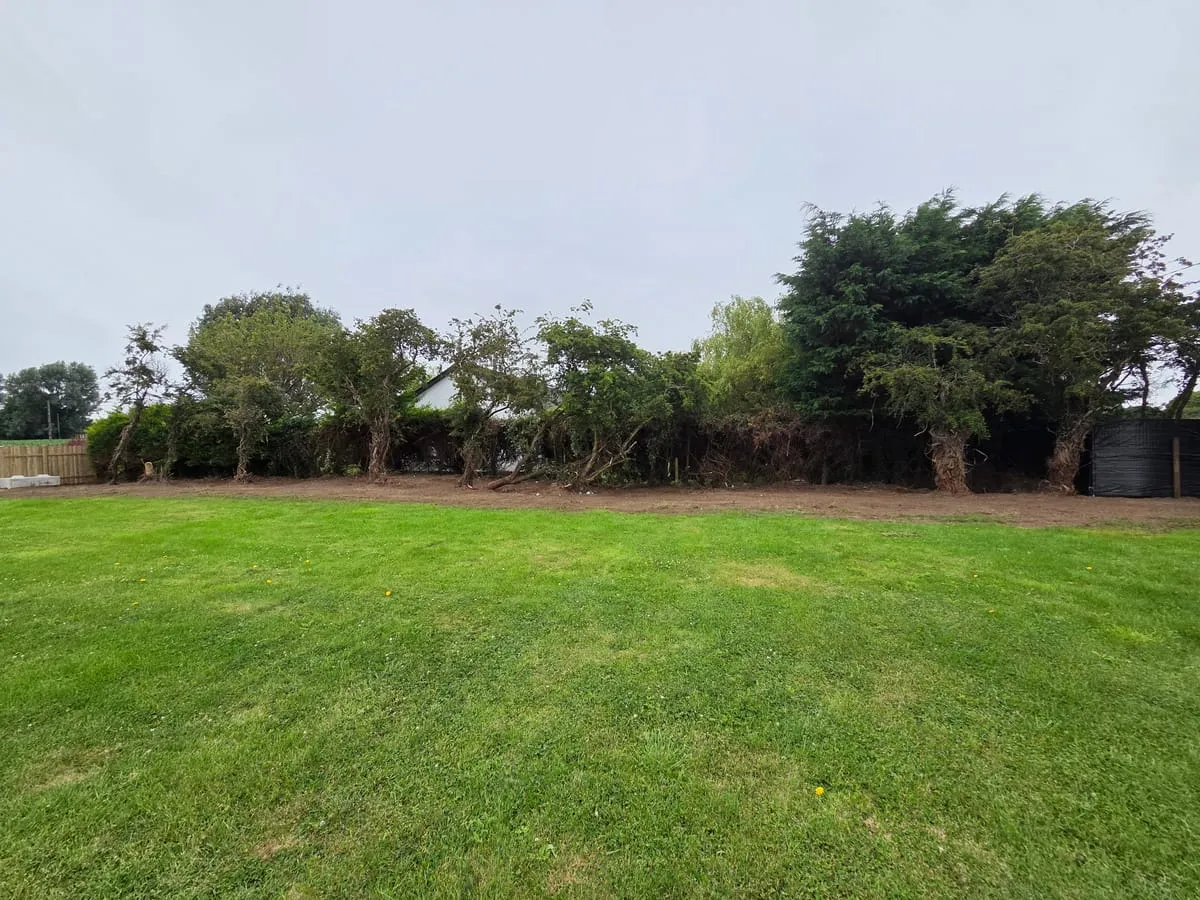
Native plants are the easiest plants to grow in a Louth garden, simply because they already belong here. They handle our wet winters, our clay soils and our salt-laden coastal wind without much help from you, and they bring in the bees, birds and butterflies that an exotic border never quite manages.
This guide covers native trees, hedging, wildflowers and groundcover that do well in and around Dundalk, and how to use them without turning your garden into a wilderness.
Why native plants make sense in Louth
A native plant has spent thousands of years adapting to Irish conditions, so it asks very little of you once it is in the ground. That usually means:
- Less watering. Most natives cope with our rainfall and rarely need irrigation once established.
- Less feeding and fussing. They grow in the soil you already have rather than soil you have to build.
- More wildlife. Native trees and hedges feed and shelter far more insects and birds than ornamental imports.
The trade-off is that natives tend to look natural rather than manicured, so they suit relaxed borders, boundaries and wilder corners better than a formal front garden.
Native trees for gardens
Most native trees get large, so match the tree to the space you actually have.
For bigger gardens
- Oak. Ireland’s most valuable wildlife tree, but a long-term commitment that needs real room. Best for large rural plots, not a small back garden.
- Hazel. A spreading shrub or small tree that suits naturalistic gardens and informal hedges. Coppices well and produces nuts for wildlife (and you).
For smaller gardens
- Rowan (mountain ash). Spring flowers, bright autumn berries the birds love, and a modest size. One of the best all-rounders for a normal garden.
- Birch (silver or downy). Graceful, fast to establish and tolerant of poor or wet ground. Downy birch in particular copes with the heavy, damp clay common around Louth.
A quick word on ash: ash dieback disease is widespread in Ireland, so this is not the moment to plant new ash. Keep an eye on any mature ash you already have and get a professional to look at it if it starts to decline near a house or boundary.
Native hedging
A native hedge is one of the best things you can plant. It marks a boundary, blocks wind, and feeds wildlife through flowers and berries.
- Hawthorn - tough, fast, thorny and covered in white blossom in May.
- Blackthorn - early flowers before the leaves, then sloes in autumn.
- Hazel and elder - add variety and extra wildlife value in a mixed hedge.
Mix two or three species rather than planting a single-species line, and you get a hedge that flowers and fruits over a longer season. A native hedge needs cutting only once a year, ideally in late winter once the berries are gone.
Native wildflowers and perennials
You do not need a full meadow to get the benefit. Even a small patch of native wildflowers adds colour and feeds pollinators.
- Spring: primroses, native bluebells (the ones with drooping, one-sided stems), wood anemone and wild garlic for shady spots.
- Summer: foxgloves for bumblebees, knapweed and field scabious for butterflies, meadowsweet for damp ground.
- Autumn and winter: devil’s-bit scabious for late nectar, plus holly and seed heads left standing to feed birds and shelter insects.
Skip shop-bought “wildflower” seed mixes where you can, as many contain non-native species. Reducing how often you mow part of your lawn and letting what is already there come up is often the simplest start.
Designing with natives without it looking wild
The trick is structure. Use natives in a deliberate way:
- A native hedge along the boundary gives a tidy edge.
- A small native tree such as rowan acts as a focal point.
- A defined wildflower area, with mown paths or a clear edge, reads as “intentional” rather than neglected.
Keep the areas nearest the house neater and let things loosen up further away. That balance gives you wildlife value without the garden looking unkempt.
Getting plants established
Natives are forgiving, but a good start still helps:
- Plant woody things in autumn or winter while they are dormant. Bare-root hedging in winter is cheap and establishes well.
- Work with your soil rather than trying to change it. Most natives are happy in ordinary Louth ground.
- Keep weeds down around young plants for the first year or two, then let them get on with it.
- Water through the first dry spell after planting, then ease off.
Local garden centres increasingly stock native trees and hedging, and bare-root native hedging is widely available in winter.
Need a hand?
If you would rather have the planting, clearing or ongoing care done for you, that is our day job. We cover Dundalk and the surrounding Louth and Cooley area, and we are happy to take on native hedging, garden clearances and regular maintenance. Call Seamus on 085 168 5170 or get a free quote here.
For more on keeping things easy, see our guide to low-maintenance garden design, and if you want to feed the bees and butterflies, our guide to pollinator gardens in County Louth.