Low-Maintenance Garden Design for Busy Irish Homeowners
Create a beautiful, low-maintenance garden suited to Ireland's climate. Practical advice on plant choice, groundcover, mulching and design that saves you time.
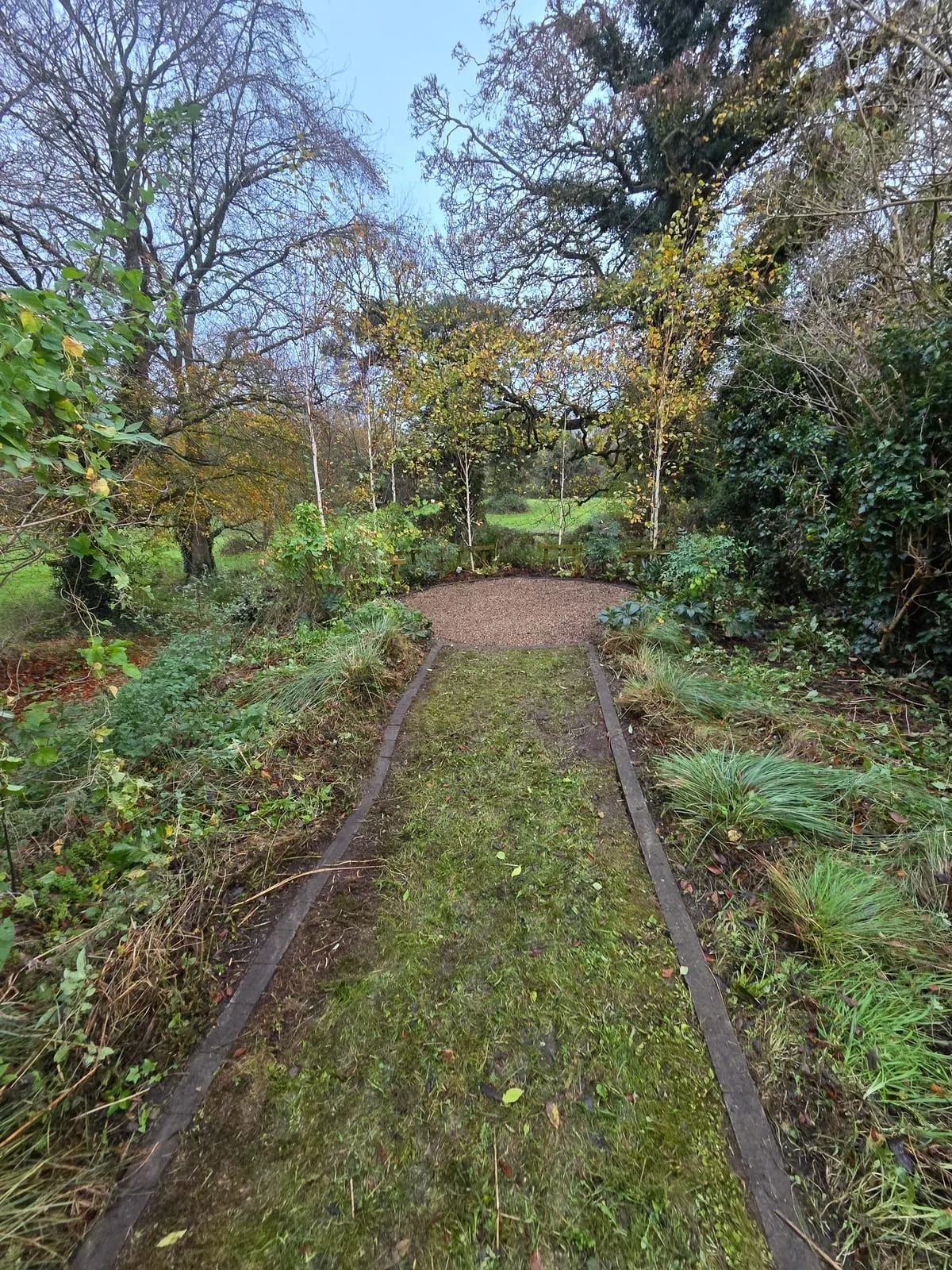
You want a garden that looks good, but you do not want to spend every dry weekend wrestling with it. The good news is that a low-maintenance garden is mostly about decisions you make at the start, not corners you cut later. Get the design and the plant choices right and the garden largely looks after itself.
Here is how to do that in a Louth garden.
Start by being honest about your time
Design for the amount of time you will actually give it, not the amount you wish you had. If you can manage one good session a month, plan for that. A garden built around realistic effort stays looking well. One built around good intentions ends up a guilt-inducing mess.
The busiest stretch in an Irish garden runs from roughly May to September. If you are often away in summer, lean even harder towards plants and systems that cope with neglect.
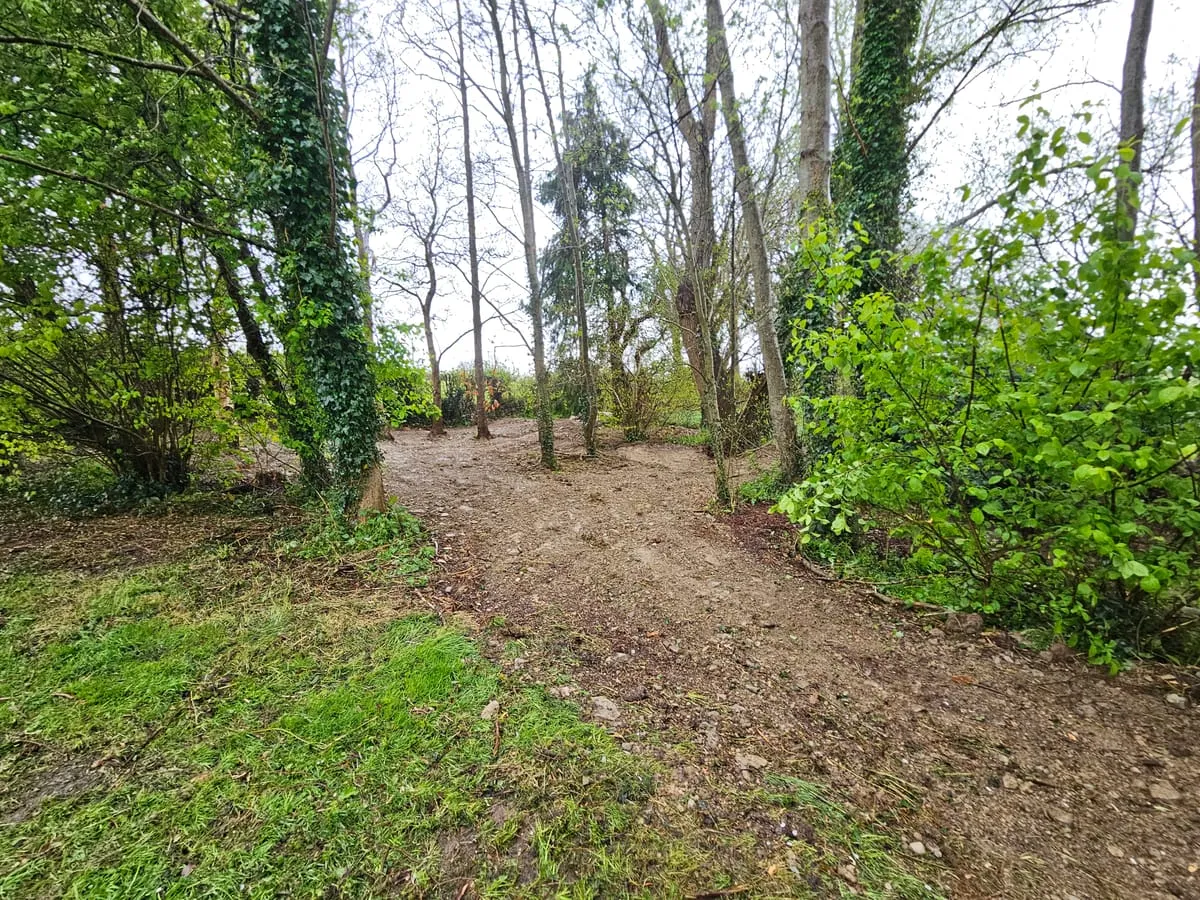
Work with your conditions, not against them
The single biggest cause of garden work is fighting plants that do not want to grow where you put them. Before you plant anything:
- Check your drainage. Dig a hole a spade or two deep and fill it with water. If it is still sitting there a day later, you have heavy, wet ground and need to choose plants that suit it (or improve drainage first). Much of Louth is on clay, so this is common.
- Notice your light and shelter. A windy, exposed front garden and a sheltered back corner need completely different plants.
Choose plants that suit what you have, and most of your maintenance problems disappear before they start.
Plant choices that cut the work
Lean on natives and tough perennials
Native plants are built for our weather and need little once established. Hawthorn makes a near-indestructible hedge that needs cutting just once a year. Native ferns thrive in the shady, damp spots where everything else sulks. Perennials that come back bigger each year save you replanting.
Reliable easy-care groups
- Ornamental grasses (such as miscanthus or festuca) give movement and structure and need only a once-a-year cut back.
- Sedums shrug off poor soil and dry spells and flower late when little else does.
- Mediterranean herbs like rosemary, thyme and sage do well in a sunny, well-drained spot and barely need watering once settled.
Let some plants do the spreading
Self-seeders like foxgloves, Welsh poppies and aquilegia move themselves around and fill gaps for free. Once you have them, you tend to keep them with no effort.
Design the work out of the garden
Replace some lawn
Lawn is the single most time-hungry part of most gardens, between mowing, edging and feeding. You do not have to lose it all, but shrinking it helps. Groundcover plants such as ajuga or creeping thyme fill space, suppress weeds and never need mowing. Keep a tidy patch of lawn where you actually use it and plant up the rest.
Mulch everything
Mulching is the best low-effort trick there is. A 2 to 3 inch layer of bark or compost over your beds suppresses weeds, holds moisture and feeds the soil as it breaks down. Keep it clear of plant stems. Gravel does the same job around herbs and drought-tolerant plants.
Plant in permanent layers
Mixed planting of shrubs and perennials, layered together, closes the ground over and looks after itself once mature. Bare soil grows weeds, so the aim is to have plants covering it instead.
A bit of infrastructure goes a long way
- Permeable paths and gravel drain well, need almost no cleaning and suit informal gardens. Angular gravel locks together better than rounded stones.
- A simple irrigation line for pots and thirsty beds removes the daily summer watering chore. It matters more for containers than for established borders, which rarely need it here.
Spend a little up front on drainage, decent soil prep and surfaces, and you save years of fighting problems.
Keep maintenance to a couple of sessions a year
A well-designed garden does not need constant fiddling. Concentrate the work:
- Late winter: cut back perennials, mulch the beds, divide anything overcrowded. One good session resets the whole garden.
- Autumn: a tidy-up, plant spring bulbs, and leave seed heads and leaf litter in quieter corners for the wildlife.
Resist the urge to over-tidy. A mature garden where plants knit together and the soil stays covered is one that mostly runs itself.
Want it set up or kept ticking over?
If you would rather have the heavy work done for you, whether that is clearing an overgrown garden, reshaping the beds or just keeping things in order through the year, we can help. We cover Dundalk and the surrounding Louth and Cooley area. Call Seamus on 085 168 5170 or get a free quote.
For more, see our guides to native Irish plants and pollinator-friendly planting.