Native Irish Plants Guide for County Louth Gardens
Complete guide to native Irish plants for gardens. Learn indigenous species, wildlife support, low maintenance options, climate adaptation, and conservation benefits.
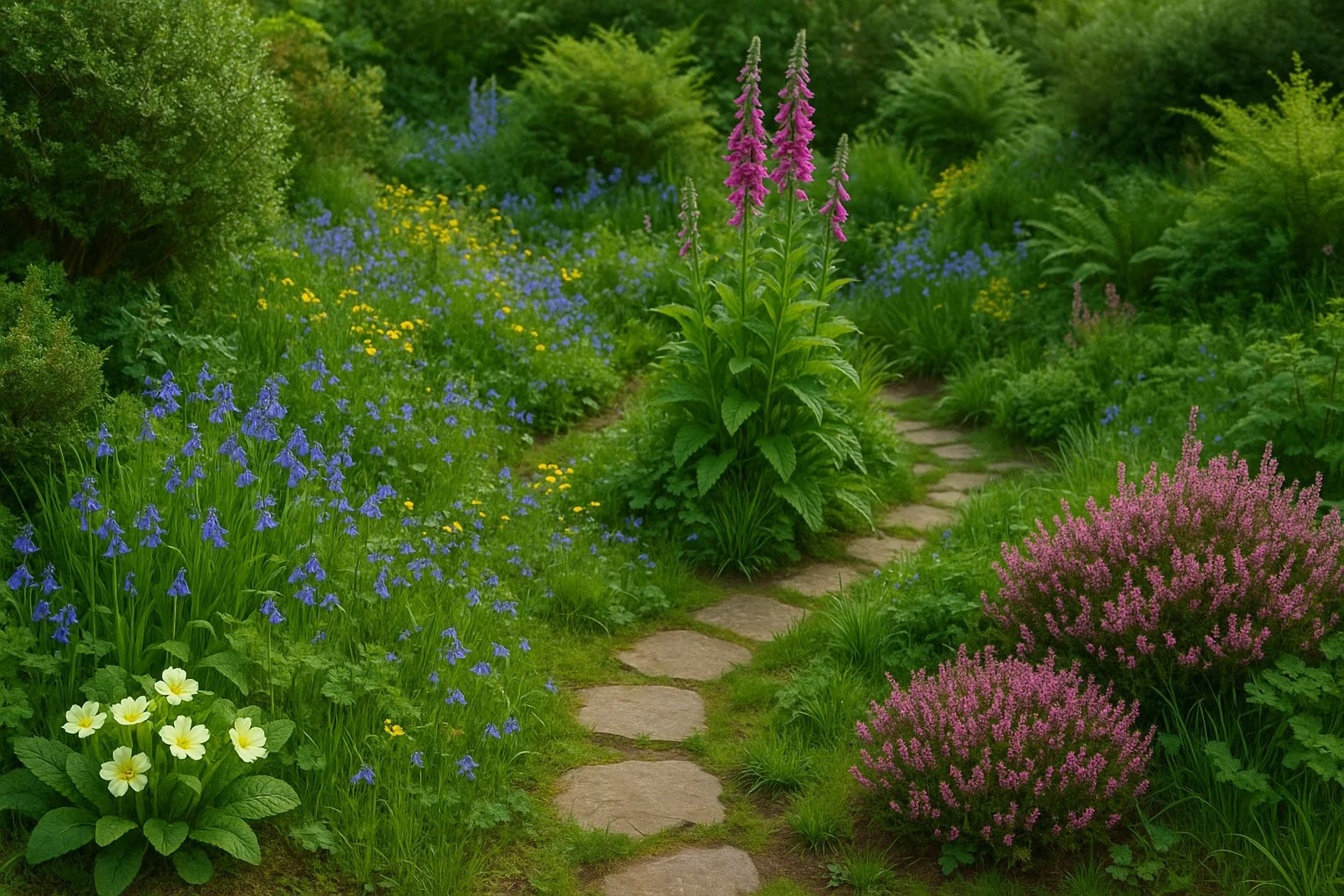
Native Irish plants are staging a comeback in County Louth gardens, and not a moment too soon. Over half of Ireland’s native plant species have declined in the past 20 years due to agriculture intensification, drainage, housing developments, and invasive species pressure.
But County Louth’s diverse habitats—from the mountainous Cooley Peninsula to extensive coastal dunes and the Boyne Valley—still support remarkable plant communities that gardeners can celebrate and preserve through thoughtful native landscaping.
Ireland has 3,815 plant species in total, but our small flora reflects our island’s unique Pleistocene history and geological simplicity. What we lack in sheer diversity, we make up for in plants perfectly adapted to Irish conditions after thousands of years of evolution.
The Tree Council of Ireland and conservation groups emphasize that native trees and plants benefit huge ranges of wildlife while hosting numerous mosses, lichens, and fungi. For gardeners, this translates to low-maintenance landscapes that thrive without constant intervention while supporting local ecosystems.

County Louth’s Unique Plant Habitats
County Louth may be Ireland’s smallest county, but it contains extraordinary botanical diversity within its compact borders. From coastal saltmarshes to upland bogs, each habitat supports distinct native plant communities perfectly adapted to local conditions.
Coastal Plant Communities
The Carlingford shoreline represents a European Habitats Directive protected area specifically for its exceptional flora and fauna. This designation reflects the unique plant communities that thrive in Ireland’s challenging coastal conditions.
Sand dune species include Ammophila arenaria (marram grass), seaside sandplant, sea milkwort, pyramidal orchid, sea holly, sea lyme grass, and heartease. These plants evolved specialized adaptations for salt spray, shifting sands, and intense wind exposure.
Saltmarsh communities feature Salicornia europaea (glasswort), sea purslane, sea arrowgrass, greater sea-spurry, and common scurvygrass. These halophytic plants tolerate regular salt water immersion while providing critical habitat for specialized insects and birds.
Coastal cliff vegetation includes thrift, sea campion, and various grasses that create dramatic displays while withstanding extreme weather conditions that would destroy conventional garden plants.
Cooley Peninsula Upland Flora
The mountainous Cooley Peninsula provides County Louth’s most diverse habitat for native plants adapted to elevation, exposure, and acidic soils characteristic of Irish uplands.
Heathland communities dominated by common heather, bell heather, and gorse create the purple and yellow displays that characterize Irish mountain landscapes. These shrubs support specialized insects while providing year-round structure and color.
Bog plants including sphagnum mosses, cotton grass, and sundews thrive in waterlogged, nutrient-poor conditions that challenge most garden plants but create unique ecological niches.
Mountain ash (rowan) and birch species colonize exposed sites while providing wildlife food through berries and supporting numerous insect species that depend on native trees for complete life cycles.
Lowland Agricultural Landscapes
County Louth’s central lowlands contain the hedgerow and field margin habitats that support much of our remaining native plant diversity outside protected areas.
Hedgerow species include hawthorn, blackthorn, elder, and dog rose that provide structure while supporting wildlife through flowers, berries, and nesting sites. These plants form the backbone of traditional Irish landscapes.
Field margin wildflowers such as primroses, cowslips, bluebells, and various orchids survive in areas not intensively farmed, providing stepping stones between larger habitat patches.
Wetland plants including common reed, marsh willowherb, marsh bedstraw, water avens, angelica, and marsh marigold thrive in County Louth’s numerous streams, ponds, and wet meadows.
Native Trees for Garden Use
Ireland’s native trees provide excellent landscaping options for County Louth gardens while supporting maximum wildlife diversity and requiring minimal maintenance once established.
Oak Species and Applications
Oak trees represent Ireland’s most ecologically valuable native species, supporting over 400 insect species while providing long-term garden structure and wildlife habitat.
Pedunculate oak (Quercus robur) and sessile oak (Quercus petraea) both occur naturally in County Louth, with pedunculate oak preferring heavier soils while sessile oak tolerates more acidic conditions.
For smaller gardens, cultivated species like bear oak or scrub oak provide oak benefits without the massive size of traditional specimens. These compact varieties maintain wildlife value while fitting residential landscapes.
Garden applications include specimen planting for large properties, wildlife habitat creation, and long-term carbon storage. Oak trees require minimal maintenance while providing decades of ecosystem services.
Ash Trees and Conservation Challenges
Ash trees hold profound historical, cultural, and ecological importance in Ireland, but face significant challenges from ash dieback disease affecting populations across Europe.
The 2024 AshforFuture project launched by Minister Hackett aims to preserve and revive ash trees in Ireland through research and conservation breeding programs. This initiative highlights ash trees’ continued importance despite disease pressure.
Common ash grows to 30 meters tall and 20 meters wide with distinctive black buds and grey stems. The feathered leaves turn bright yellow in autumn, providing spectacular seasonal displays.
Garden considerations include disease resistance screening and professional advice about planting ash trees in current conditions. Some resistant varieties may emerge from conservation programs.
Hazel for Wildlife and Nuts
Hazel (Corylus avellana) represents one of Ireland’s most valuable native trees, traditionally considered the Tree of Knowledge while providing exceptional wildlife and habitat conservation benefits.
This large deciduous shrub or small tree develops a bushy, spreading habit perfect for naturalistic gardens and wildlife corridors. Hazel provides excellent foraging and cover for birds and mammals.
Nut production offers both wildlife food and human harvests, making hazel an excellent permaculture choice for edible landscaping that supports biodiversity simultaneously.
Garden applications include hedging, specimen planting, and coppicing for sustainable wood production. Hazel tolerates various soil conditions while requiring minimal care once established.
Birch Species for Smaller Gardens
Silver birch (Betula pendula) and downy birch (Betula pubescens) provide excellent native tree options for smaller County Louth gardens due to moderate size and rapid establishment.
Silver birch reaches 25 meters tall and 10 meters wide while downy birch grows to 20 meters tall and 10 meters wide. Both species colonize easily and establish quickly in Irish conditions.
These fast-growing trees add seasonal interest through distinctive white bark, delicate foliage, and golden autumn color. They’re particularly recommended for city gardens due to pollution tolerance.
Wildlife benefits include supporting numerous moth species whose caterpillars feed on birch leaves, while providing nesting sites and seeds for birds.

Native Wildflowers and Perennials
Irish wildflowers provide the foundation for naturalistic gardens that celebrate local plant communities while supporting pollinators and other wildlife through native plant relationships.
Spring Flowering Natives
Spring natives provide critical early-season resources for wildlife emerging from winter dormancy while creating spectacular seasonal displays that announce garden awakening.
Bluebells (Hyacinthoides non-scripta) create the violet-tinted carpets that flood Ireland’s ancient woodlands in April. Native Irish bluebells have rounded stems and drooping bell-shaped flowers, distinguishing them from invasive varieties with straight stems.
Primroses (Primula vulgaris) herald spring with pale yellow flowers featuring darker yellow centers. These flowers provide important nectar and pollen for early pollinators while their leaves feed moth caterpillars.
Wood anemone creates ephemeral white carpets in deciduous woodlands before tree leaves emerge, then disappears until the following spring in natural cycles that complement other woodland plants.
Wild garlic produces distinctive white flowers and edible leaves in shaded areas, providing both ornamental value and culinary uses while spreading naturally in appropriate conditions.
Summer Wildflower Displays
Summer natives provide the peak flowering period that supports maximum pollinator activity while creating colorful displays throughout County Louth’s growing season.
Foxgloves (Digitalis purpurea) produce tall spikes of purple, bell-shaped flowers with spotted throats that bumblebees find irresistible. These biennial woodland plants look spectacular when grown en masse in shaded borders.
Meadowsweet creates cream flower heads that support incredible insect diversity while providing sweet fragrance and traditional medicinal uses. This native perennial thrives in moist conditions common in Irish gardens.
Common knapweed offers purple flower heads over extended periods while supporting tremendous butterfly and bee diversity. This hardy perennial self-seeds readily to create natural drifts.
Field scabious produces distinctive pin-cushion flowers that butterflies particularly favor while providing seeds for birds and winter structure for beneficial insects.
Autumn and Winter Interest
Late-season natives extend garden interest while providing critical resources for wildlife preparing for winter or during the challenging months when few other plants offer food or shelter.
Devil’s-bit scabious provides essential autumn nectar for butterflies and late-flying insects when most other flowers have finished blooming.
Native grasses including tufted hair-grass provide texture and movement while supporting specialized insects and offering seeds for winter bird feeding.
Evergreen natives like holly provide year-round structure while producing berries that sustain wildlife through winter months when other food sources become scarce.
Persistent seed heads and dried stems from native perennials provide overwintering sites for beneficial insects while adding winter garden structure and wildlife value.
Garden Design with Native Plants
Successful native plant gardens replicate natural plant communities while providing attractive, low-maintenance landscapes that support local wildlife through appropriate habitat creation.
Woodland Garden Design
Woodland gardens using native trees, shrubs, and understory plants create layered communities that support diverse wildlife while providing peaceful, naturalistic settings.
Canopy trees like oak and ash provide structure while casting dappled shade that favors woodland wildflowers including bluebells, primroses, and wood anemone.
Understory shrubs including hazel, elder, and holly create habitat diversity while providing flowers, berries, and nesting sites that support complete wildlife life cycles.
Ground layer plants including wild garlic, wood sorrel, and various ferns complete woodland communities while suppressing weeds naturally through dense coverage.
Seasonal succession ensures continuous interest as ephemeral spring flowers give way to summer ferns and autumn berries, mimicking natural woodland cycles.
Meadow and Prairie Plantings
Meadow gardens using native grasses and wildflowers create sustainable landscapes that require minimal maintenance while supporting grassland wildlife increasingly rare in modern landscapes.
Grass selection provides structure while creating conditions that favor wildflower establishment over aggressive weeds. Native grasses support specialized insects while providing winter interest.
Wildflower diversity includes early spring flowers like cowslips, summer bloomers like knapweed and scabious, and autumn species that extend nectar availability.
Maintenance schedules using annual cutting after seed set maintain plant diversity while preventing shrub encroachment that would eliminate meadow habitat.
Natural regeneration allows plant communities to evolve while management prevents dominance by aggressive species that would reduce diversity.
Native Plant Hedging
Native hedgerows provide property boundaries while creating wildlife corridors that connect gardens to larger landscape networks essential for species conservation.
Traditional Irish hedgerow species including hawthorn, blackthorn, and elder provide security, wind protection, and year-round interest through flowers, fruits, and seasonal changes.
Mixed species hedging supports maximum biodiversity while creating varied habitat niches for different wildlife species with varying food and shelter requirements.
Management techniques including selective cutting and coppicing maintain hedge function while preserving wildlife value through sensitive timing and methods.

Establishment and Care
Native plants generally require less intensive care than exotic species, but proper establishment and understanding of natural growth patterns ensure successful integration into garden settings.
Planting and Site Preparation
Native plant establishment benefits from understanding natural growing conditions and providing appropriate site preparation that enhances rather than fights existing conditions.
Soil preparation should work with existing conditions rather than dramatically altering them, since native plants evolved to thrive in Irish soil types and characteristics.
Planting timing follows natural cycles, with autumn planting often preferred for woody plants while spring suits herbaceous species. This timing allows root establishment before peak growing seasons.
Watering requirements are typically minimal once plants establish, though initial irrigation may help establishment during dry periods or for plants moved from different growing conditions.
Competition management during establishment prevents aggressive weeds from overwhelming young native plants while avoiding chemicals that harm beneficial soil organisms.
Maintenance Requirements
Native plant maintenance focuses on working with natural cycles rather than forcing artificial growth patterns through intensive management and chemical inputs.
Minimal intervention approaches allow natural plant communities to develop while providing guidance that enhances wildlife value and aesthetic appeal.
Selective management preserves beneficial plants while removing aggressive species that might dominate and reduce overall biodiversity value.
Seasonal timing for maintenance activities avoids disrupting wildlife during critical breeding or feeding periods while maintaining garden function and appearance.
Long-term management allows succession processes to create mature plant communities that require increasingly less intervention as they develop.
Sourcing Native Plants
Obtaining native plants from appropriate sources ensures genetic adaptation to local conditions while supporting conservation efforts that preserve Irish plant diversity.
Local nurseries increasingly stock native plants as demand grows, though selection may be limited compared to exotic species typically emphasized in garden centers.
Specialist native plant suppliers offer broader selections while ensuring appropriate provenance and genetic diversity essential for conservation and garden success.
Seed collection from local wild populations requires landowner permission and understanding of sustainable collection practices that don’t damage wild plant communities.
Plant exchanges and community groups provide opportunities to obtain native plants while sharing knowledge and building connections with other native plant gardeners.
Native Irish plants provide the foundation for sustainable, wildlife-friendly gardens that celebrate County Louth’s natural heritage while creating beautiful, low-maintenance landscapes.
Professional native plant landscaping services understand local ecology and can design plantings that support both aesthetic and conservation objectives. For wildlife-friendly maintenance that preserves native plant communities, experienced providers offer appropriate care techniques.
Native plants support pollinator conservation while reducing maintenance requirements through natural adaptation to Irish conditions. Low-maintenance garden design using native species creates beautiful landscapes that support local ecosystems while requiring minimal ongoing intervention.