Wildlife Pond Installation Guide for Irish Gardens
Complete guide to wildlife pond installation in Ireland. Learn planning requirements, biodiversity benefits, construction methods, native plants, and seasonal maintenance.
A wildlife pond is one of the best things you can add to a garden if you want to attract life into it. Even a small pond pulls in frogs, newts, dragonflies and birds, and it gives you something genuinely lovely to watch through the year. You do not need a big garden or a big budget to make one.
This guide walks through the basics of putting in a simple wildlife pond in an Irish garden: where to dig it, how to build it, what to plant, and how to look after it. The aim is a natural, low-maintenance pond, not an ornamental fish pond with pumps and filters running all day.
What makes a pond a wildlife pond
A wildlife pond is built for nature rather than for fish. The key differences are gently sloping sides instead of steep ones, native plants instead of exotic ones, and no fish, because fish eat the eggs and tadpoles you are trying to attract.
The good news is that this makes it easier and cheaper to build. There is no need for the pumps, filters and fountains a fish pond needs. Once it settles in, a wildlife pond largely looks after itself.
Choosing the spot
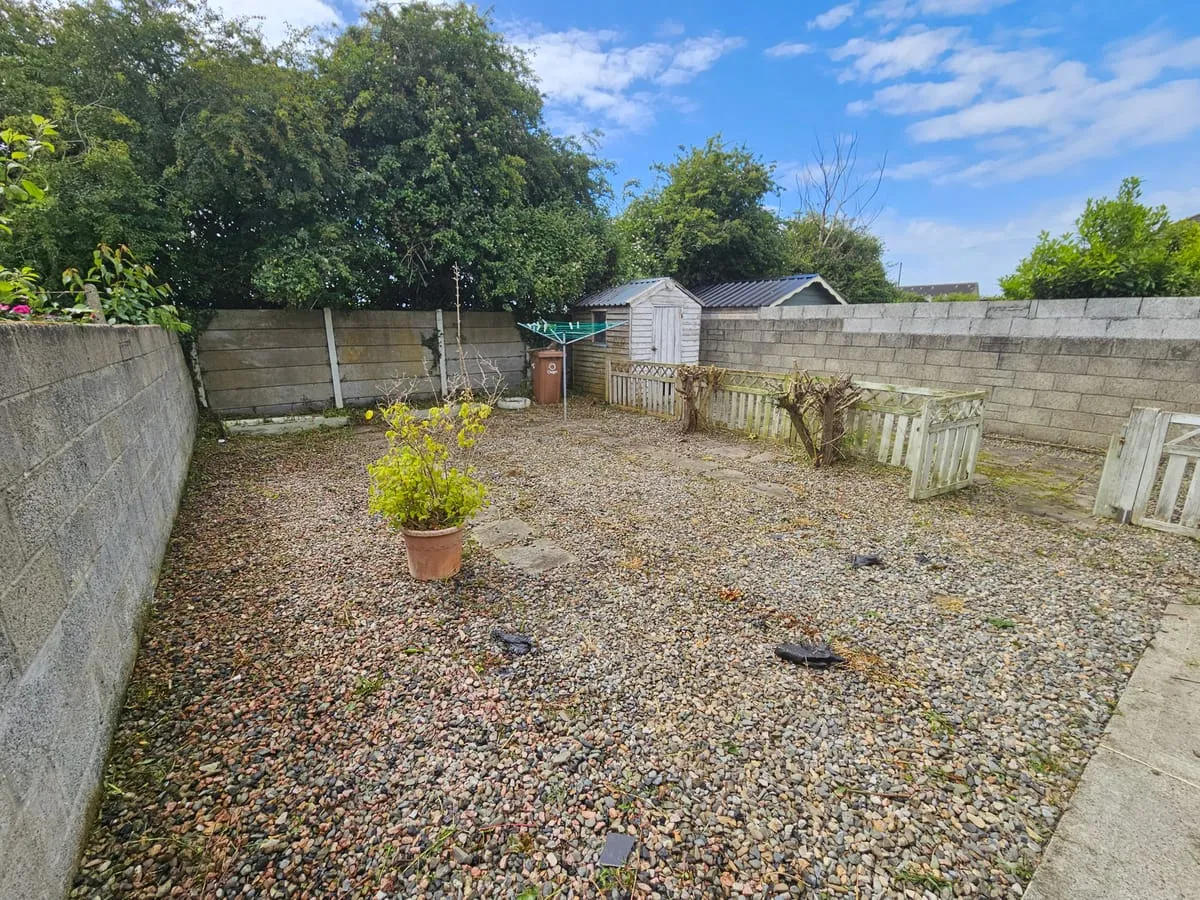
Where you put the pond matters more than its size. Aim for:
- Some sun, some shade. A spot with sun for part of the day suits plants and wildlife. Too much full sun encourages algae; too much shade and leaf-fall causes problems.
- Away from big trees if you can, so you are not forever fishing out fallen leaves.
- A level area that is easy to reach, so you can watch it and tend to it.
- Clear of services. Check there are no pipes or cables before you dig.
A quiet corner where wildlife will not be constantly disturbed is ideal, but a pond near the house still works and gives you a front-row seat.
A note on planning
Most small garden ponds are straightforward and do not raise planning issues, but rules depend on size, depth and placement. If you are planning anything large or close to a boundary, it is worth a quick check with Louth County Council before you start rather than assuming. For a modest garden pond, this is rarely a concern.
Building it
Mark out and dig
Lay a rope or hose on the ground to shape the pond, then dig. The most important point for wildlife is to dig shallow, gently sloping edges on at least one side, like a little beach. This lets frogs, hedgehogs and birds get in and out safely, and stops anything getting trapped.
Include a deeper area in the middle, ideally around 60cm or so, so the pond does not freeze solid in winter and gives creatures somewhere to shelter. Vary the depth across the pond to create different zones for different plants and animals.
Line it
For most garden ponds a flexible liner is the simplest choice. Remove any sharp stones and roots from the hole first, then put down a layer of protective underlay or even old carpet so nothing punctures the liner from below. Lay the liner in, letting it settle into the shape, and leave plenty of overlap at the edges to anchor it.
Edge and fill
Hold the liner edges down with stones, soil or turf so they are hidden and the edge looks natural. Then fill the pond. Rainwater from a butt is ideal because it is soft and free of chlorine. If you use tap water, let it stand a few days before adding plants, to let the chlorine clear.
Planting it up
Native plants give the best results for wildlife and tend to look after themselves. Aim for a mix across the pond:
- Oxygenators that grow underwater and keep the water healthy, like hornwort.
- Floating and surface plants for shade and cover, which also help keep algae down. Native water-lily and frogbit are good choices.
- Marginal plants around the shallow edges for cover, like water mint, marsh marigold and native sedges.
Aim to cover roughly a third to a half of the surface with planting over time. That balance keeps the water shaded and healthy while leaving open water for wildlife.
One thing to avoid: stay away from invasive pond plants like parrot’s feather and curly waterweed. They spread aggressively, are very hard to get rid of, and cause real damage if they escape into local waterways. A reputable garden centre will steer you to native, safe alternatives.
Letting it settle
The hardest part of a new pond is patience. Do not stock it with anything. Frogs, newts, dragonflies and pond insects find new water on their own, often within the first season. Adding a jugful of water from an established, healthy pond can help seed it with tiny life, but never move spawn or frogs from the wild.
The water may go cloudy or green at first. This is normal as the pond finds its balance. As the plants establish, it usually clears on its own. Resist the urge to reach for chemicals.
Looking after it through the year
A wildlife pond needs only light upkeep:
- Autumn: net it or scoop out fallen leaves so they do not rot in the water over winter.
- Winter: if it freezes over, float something like a ball on the surface so there is a gap when you lift it out, which lets gases escape. Never smash the ice, as the shock harms wildlife below.
- Spring and summer: top up the level in dry spells, ideally with rainwater. Thin out plants if they take over, and leave anything you pull out beside the pond for a day so creatures can crawl back in.
- Keep some long grass or a log pile nearby, which gives frogs and newts somewhere to shelter out of the water.
Keep it simple. A pond that is left mostly alone, with a bit of seasonal tidying, will be richer in wildlife than one that is constantly fussed over.
We can help with the groundwork
Digging a pond, clearing the space for it, and keeping the surrounding garden tidy is the kind of work we do every week. We cover Dundalk, the Cooley peninsula and the wider Louth area for garden clearances, ground clearing and ongoing maintenance.
If you want a corner cleared and prepared for a pond, or just the rest of the garden kept looking well, call Seamus on 085 168 5170 or request a free quote at /#quote.
For more on gardening with nature in mind, see our garden maintenance services and our native Irish plants guide.