Wildlife Pond Installation Guide for Irish Gardens
Complete guide to wildlife pond installation in Ireland. Learn planning requirements, biodiversity benefits, construction methods, native plants, and seasonal maintenance.
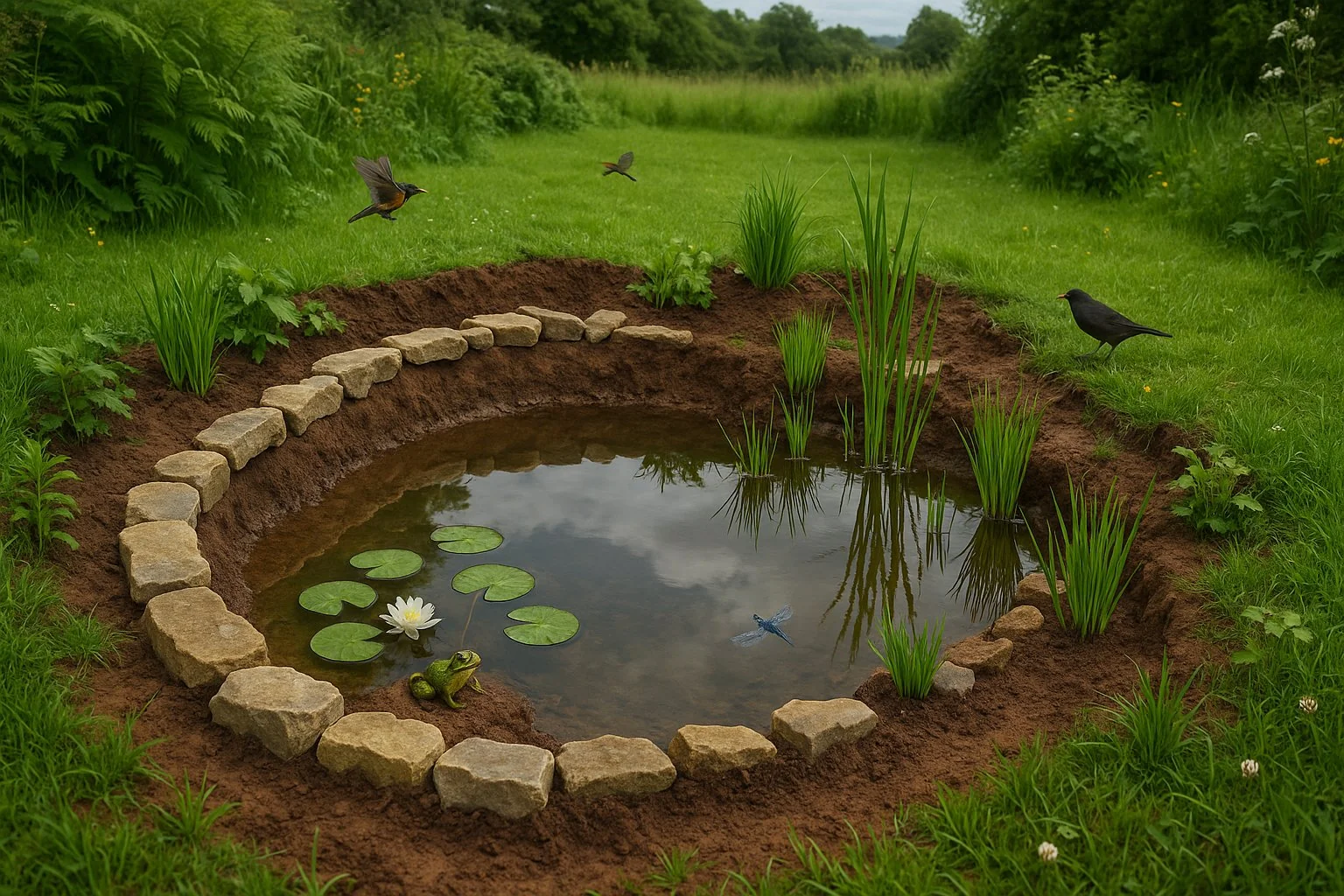
Wildlife ponds represent Ireland’s most effective biodiversity intervention. A single pond hosts more biodiversity than rivers and lakes, particularly supporting the two-thirds of freshwater species that depend on small water bodies for complete life cycles.
The Irish Pond Manual published in 2024 by An Taisce provides comprehensive scientific evidence: ponds can sequester 20-30 times more carbon than woodlands while providing critical habitat for Ireland’s declining amphibian populations. Over 50% of Ireland’s amphibian wetlands have disappeared in the past century through drainage and development.
But there’s hope. The National Biodiversity Data Centre’s “Ponds for Biodiversity” project documents spectacular recovery when ponds return to landscapes. Irish suppliers including Pond Hobby Ltd, Garden Ponds, and Fernhill Garden Centre now provide specialized equipment designed for Irish conditions and native species requirements.
The timing couldn’t be better. The 4th National Biodiversity Action Plan launched in January 2024 creates legal obligations for biodiversity enhancement, while planning permission requirements actually favor wildlife pond installations under current exempt development regulations.

Planning Permission and Legal Requirements
Understanding Ireland’s planning framework ensures smooth wildlife pond installation while meeting current 2024 biodiversity obligations.
Exempt Development Thresholds
Wildlife ponds qualify as exempt development when they meet specific size and placement criteria established in Ireland’s Planning and Development Regulations. Ponds under 20 square meters and 1 meter deep do not require planning permission, provided they maintain 5 meters distance from buildings and boundaries.
Larger installations require planning permission but benefit from supportive policies recognizing biodiversity value. Local authorities increasingly view wildlife ponds favorably under the 2024 National Biodiversity Action Plan, which creates legal obligations for biodiversity enhancement.
Ground level alterations cannot exceed 1 meter above or below adjoining ground levels for exempt development status. This threshold accommodates most residential wildlife pond installations while ensuring appropriate site integration.
Planning applications for larger ponds should emphasize biodiversity benefits and alignment with national conservation objectives. Professional design helps navigate requirements while maximizing ecological value.
Environmental Protection Compliance
The Wildlife Acts 1976 to 2023 protect Ireland’s native amphibians and aquatic species that wildlife ponds support. Installation timing must avoid disturbance to protected species, particularly during breeding seasons when frogs and newts are most vulnerable.
Bird nesting seasons require particular attention. Construction should avoid March through August when birds utilize pond areas for nesting. Site surveys identify protected species presence before excavation begins.
European Communities (Birds and Natural Habitats) Regulations 2011 may require Habitats Regulations Assessment for installations affecting protected areas or species. Professional ecological assessment ensures compliance while protecting valuable wildlife.
Water quality protection prevents pollution during construction. Silt management and erosion control protect existing water bodies while ensuring wildlife ponds integrate safely with local drainage systems.
2024 Biodiversity Action Plan Integration
Ireland’s first legally binding biodiversity plan creates unprecedented support for wildlife habitat creation. Local authorities must consider biodiversity enhancement in planning decisions, creating favorable conditions for wildlife pond applications.
Public bodies now report annually on biodiversity progress, with pond networks contributing measurably to national conservation targets. This framework provides strong policy support for residential wildlife pond installation.
The plan recognizes pond networks as cost-effective biodiversity tools that individuals and communities can implement locally while contributing to national conservation objectives.
Professional installation services understand current legislation while ensuring projects deliver maximum biodiversity benefits under the strengthened legal framework.
Irish Wildlife and Biodiversity Benefits
Wildlife ponds support Ireland’s remarkable aquatic biodiversity while providing critical habitat for species threatened by habitat loss and climate change.
Native Amphibian Species
Ireland’s Common Frog (Rana temporaria) represents our most widespread amphibian, with 40% of records occurring in garden ponds. These familiar species require aquatic breeding habitat that wildlife ponds provide throughout County Louth and Ireland.
The Smooth Newt, Ireland’s only native newt species, thrives in small water bodies where females lay up to 300 eggs, carefully wrapping each in pond plant leaves. Wildlife ponds provide ideal breeding habitat while supporting complete life cycles.
Natterjack Toads, though more localized, benefit from pond network expansion that creates stepping stones between suitable habitats. Professional pond design considers connectivity that supports amphibian movement and genetic diversity.
Amphibian populations face worldwide decline through habitat destruction, pollution, and disease. Irish wildlife ponds provide crucial refuges while supporting monitoring efforts like the Irish Peatland Conservation Council’s annual Frog Survey.
Aquatic Invertebrate Communities
Irish ponds support extraordinary invertebrate diversity including dragonflies, damselflies, pond skaters, and whirligig beetles. These species spend most life cycles in aquatic stages, requiring permanent water bodies for development.
Dragonfly larvae live 1-4 years as aquatic nymphs before emerging as flying adults. Their predatory nature controls mosquito populations while indicating healthy pond ecosystems through their sensitivity to water quality.
Freshwater mussels, water beetles, and larvae of mayflies, caddisflies, and midges create complex food webs that support larger wildlife. Pond design considerations include varied depths and habitat zones that accommodate different species requirements.
Macroinvertebrate communities provide essential food for fish, amphibians, and birds while indicating pond health through species composition and abundance. Regular monitoring helps assess pond ecosystem development and management needs.
Bird and Mammal Habitat
Wildlife ponds attract diverse bird species for drinking, bathing, and feeding. Shallow edges provide access for thrushes, robins, and blackbirds while deeper areas support waterfowl during migration and winter periods.
Herons, kingfishers, and grey wagtails utilize ponds for fishing while contributing to natural pest control through their feeding activities. Pond design includes features that accommodate different bird species’ varying needs.
Small mammals including hedgehogs, foxes, and bats benefit from wildlife ponds through drinking water and increased insect prey abundance. Gentle sloping sides ensure safe access while preventing accidental drowning.
Bird habitat enhancement through strategic planting and appropriate water depths creates year-round wildlife value while providing homeowners with exceptional wildlife viewing opportunities.
Site Selection and Design Principles
Effective wildlife pond placement and design ensure optimal ecological function while creating beautiful landscape features that enhance property value.
Location Optimization for Irish Conditions
Irish weather patterns require specific site considerations for successful wildlife pond establishment. Partial shade prevents excessive algae growth during warm periods while allowing adequate sunlight for aquatic plant photosynthesis.
Wind protection preserves water quality while reducing maintenance requirements during storms. Strategic placement near existing vegetation provides natural windbreaks while creating habitat corridors that connect ponds to broader landscape networks.
Drainage assessment prevents water accumulation problems during Ireland’s wet periods while ensuring adequate water retention during occasional dry spells. Professional site evaluation considers both seasonal extremes and average conditions.
Accessibility for maintenance and wildlife viewing influences long-term pond success. Locations near paths allow regular monitoring while positioning away from high-traffic areas reduces disturbance to sensitive species.
Size and Depth Configuration
Wildlife pond effectiveness increases significantly with size, but even small installations provide valuable habitat when properly designed. Minimum recommendations include 4 square meters surface area and varied depths from 10cm to 60cm.
Shallow areas support amphibian breeding and provide safe access for birds and small mammals. Deep sections prevent complete freezing while providing overwintering habitat for aquatic invertebrates and amphibians.
Graduated slopes create diverse habitat zones that accommodate species with different depth preferences. Gentle margins allow easy wildlife access while steep-sided areas provide escape routes from predators.
Multiple depth zones support varied plant communities that provide oxygen, shelter, and food for different wildlife species throughout seasonal cycles.
Natural Edge Design
Naturalistic edges using local stone, logs, and varied materials provide habitat complexity while creating attractive landscape features. Avoid concrete or artificial materials that limit wildlife access and habitat value.
Pebble beaches allow amphibians easy pond access while providing basking sites for insects and small reptiles. Varied substrate materials create microhabitats that support different species communities.
Planted edges using native marginal species provide cover for wildlife while creating natural transitions between aquatic and terrestrial habitats. Strategic planting prevents erosion while enhancing ecological connectivity.
Rock crevices and log piles near pond edges provide hibernation sites for frogs, newts, and beneficial insects. These features extend habitat value beyond the water itself while requiring minimal maintenance.

Construction Materials and Methods
Professional-quality materials ensure long-term pond success while supporting healthy aquatic ecosystems that thrive in Irish conditions.
Liner Selection and Installation
EPDM (ethylene propylene diene monomer) rubber liners provide superior durability for Irish wildlife ponds. Firestone EPDM, available through Pond Liner Ireland, offers 20+ year life expectancy with fish-safe formulations essential for wildlife habitat.
Liner thickness affects durability and cost. Professional installations typically use 1.0mm thickness for small ponds, increasing to 1.2mm for larger installations or sites with potential damage risks from roots or stones.
Protective underlay prevents punctures while providing smooth base surfaces. Geotextile fleece cushions liners while allowing beneficial bacteria colonization that supports natural pond ecosystem development.
Installation requires careful measuring and positioning. Professional fitting ensures adequate overlap for secure anchoring while minimizing waste of expensive liner materials.
Filtration and Water Quality Systems
Wildlife ponds benefit from biological filtration that supports natural ecosystem processes rather than sterile water conditions. Biological filters using beneficial bacteria process organic matter while maintaining water clarity.
Mechanical filtration removes debris that could decompose and compromise water quality. Simple skimmer systems or gravel beds provide effective mechanical filtration without complex equipment requirements.
Pump selection depends on pond size and desired water circulation. Solar-powered options provide environmentally friendly operation while reducing electrical installation costs for remote pond locations.
Natural filtration through aquatic plants provides the most effective long-term water quality management. Proper plant selection eliminates need for chemical treatments while creating beautiful, functional ecosystems.
Excavation and Site Preparation
Hand excavation allows precise depth control while minimizing soil compaction around pond areas. Mechanical excavation suits larger projects but requires careful planning to prevent site damage.
Soil disposal considerations include potential reuse for berms, rock gardens, or compost areas. Quality topsoil should be preserved for other landscape projects rather than discarded as waste material.
Utility location becomes critical before excavation begins. Professional utility marking prevents dangerous encounters with gas, electric, or water lines that could cause serious injury or property damage.
Base preparation includes removing sharp stones and roots that could damage liners. Sand or protective underlay creates smooth surfaces while preventing settlement that could stress liner materials.
Plant Selection and Ecosystem Development
Native Irish aquatic plants provide superior wildlife value while requiring minimal maintenance once established in appropriate pond conditions.
Native Oxygenating Plants
Hornwort (Ceratophyllum demersum) provides excellent oxygenation while tolerating various water conditions common in Irish ponds. This submerged plant grows freely without rooting, making placement and management simple.
Whorled Water Milfoil (Myriophyllum verticillatum) thrives in ponds up to one meter deep while providing critical spawning habitat for fish and invertebrates. Feathery foliage creates excellent cover for small wildlife.
Greater Water-moss (Fontinalis antipyretica), Ireland’s largest aquatic moss, forms underwater clumps that tolerate occasional drying while providing unique habitat structure uncommon in conventional garden ponds.
Common Water Starwort (Callitriche stagnalis) and Spiked Water Milfoil produce tiny flowers above water while providing underwater structure. These natives adapt well to varying pond conditions throughout Irish weather cycles.
Floating and Surface Plants
Frogbit (Hydrocharis morsus-ranae) produces delicate white flowers and water-lily-like leaves that provide shade while reducing algae growth. This native floating plant requires no planting substrate or maintenance.
White Water-lily (Nymphaea alba), Ireland’s only native water-lily, creates spectacular blooms while providing essential shade and shelter. Deep-water placement prevents frost damage while supporting pond ecosystem balance.
Yellow Water-lily (Nuphar lutea), also called Brandy-bottle, produces distinctive yellow flowers valuable for pollinators while tolerating various depth and light conditions throughout seasonal changes.
Surface coverage between 30-50% prevents excessive algae growth while maintaining open water essential for wildlife access and gas exchange critical for pond ecosystem health.
Marginal and Bog Plants
Sweet Flag (Acorus calamus) provides attractive vertical structure while tolerating water depth variations common in Irish ponds. This marginal plant creates excellent cover for amphibians and nesting birds.
Dwarf Hair Grass (Eleocharis acicularis) forms dense mats in shallow areas while producing distinctive spiky brown flowers in late summer. Depth tolerance up to 60cm accommodates various pond zone requirements.
Great Pond Sedge and other native Carex species provide essential structure while supporting specialized insects that complete their life cycles on these specific host plants.
Bog Bean, Water Mint, and other native marginal species create diverse plant communities that support maximum wildlife diversity while requiring minimal ongoing maintenance once established.
Invasive Species Prevention
Avoid Parrot’s Feather (Myrophyllum aquaticum) and Canadian Pondweed (Elodea canadensis) which cause serious ecological problems through aggressive spreading that displaces native species and clogs waterways.
Large-flowered Waterweed (Egeria densa), Nuttall’s Waterweed (Elodea nuttallii), and Floating Pennywort (Hydrocotyle ranunculoides) represent designated invasive species prohibited in Irish waters.
Curly-leaved Waterweed (Lagarosiphon major) spreads rapidly and proves extremely difficult to eradicate once established. Native alternatives provide superior wildlife value without invasion risks.
Professional suppliers like Future Forests and Newlands Garden Centre stock appropriate native species while providing guidance on invasive species identification and prevention strategies.

Seasonal Maintenance and Management
Proper maintenance ensures wildlife ponds continue providing excellent habitat while remaining attractive landscape features throughout Irish seasonal cycles.
Spring Establishment and Renewal
Spring provides optimal timing for new pond establishment and existing pond renovation. April through August represents peak growing season when aquatic plants establish most successfully in Irish conditions.
Plant division every 2-3 years for water lilies and annually for bog plants maintains healthy populations while preventing overcrowding that reduces wildlife habitat diversity.
Debris removal following winter includes accumulated leaves and organic matter that could compromise water quality during warm weather when decomposition accelerates and oxygen levels decrease.
Water level adjustment accommodates spring rainfall while ensuring adequate depth for amphibian breeding that typically occurs March through June in Irish conditions.
Summer Water Quality Management
Algae control through natural methods maintains clear water without chemicals harmful to wildlife. Adequate plant coverage and proper nutrient balance prevent excessive algae growth.
Oxygenating plant management includes selective harvesting that maintains healthy populations while preventing overcrowding that reduces water circulation and oxygen levels.
Evaporation replacement during dry periods maintains adequate water depth for wildlife survival while preventing concentration of minerals that could affect water quality.
Beneficial bacteria maintenance through minimal disturbance allows natural biological processes to control organic matter breakdown and nutrient cycling essential for ecosystem health.
Autumn and Winter Preparation
Leaf management prevents excessive organic matter accumulation that could create anaerobic conditions harmful to overwintering wildlife. Strategic netting or regular removal maintains water quality.
Plant cutting follows specific timing that preserves wildlife habitat while preventing excessive decomposition. Marginal plants should be cut above water level to maintain winter structure.
Ice prevention in shallow areas ensures wildlife access during freezing periods. Floating objects or small heaters prevent complete surface freezing that could trap gases harmful to aquatic life.
Amphibian protection includes maintaining vegetation and soft sediment areas where frogs and newts hibernate throughout winter months when they remain vulnerable to disturbance.
Year-Round Wildlife Monitoring
Population assessment through regular observation documents pond success while identifying potential problems requiring intervention. Simple record-keeping tracks species diversity and abundance changes.
Water quality testing using basic kits identifies potential problems before they affect wildlife health. pH, dissolved oxygen, and nutrient levels indicate ecosystem balance and management needs.
Predator management balances natural processes with wildlife protection. Understanding normal predation patterns helps distinguish natural cycles from problems requiring intervention.
Habitat enhancement through ongoing adjustments improves wildlife value while addressing changing conditions as pond ecosystems mature and develop complexity.
Professional Installation vs. DIY Options
Professional installation ensures optimal results while DIY approaches offer cost savings for homeowners willing to invest time in learning proper techniques.
Professional Service Benefits
Irish pond specialists including Pond Hobby Ltd and Garden Ponds provide comprehensive installation services that ensure proper construction while meeting planning and environmental requirements.
Professional design considers site-specific conditions including soil type, drainage, and microclimate factors that significantly affect long-term pond success and wildlife habitat quality.
Equipment access including excavators and specialized tools enables efficient installation while minimizing site disturbance and ensuring proper construction techniques throughout the process.
Warranty coverage protects installation investment while providing ongoing support for maintenance questions and potential problems that may develop as ecosystems establish.
DIY Installation Considerations
Cost savings through DIY installation can be substantial, with basic wildlife pond kits available from Irish suppliers starting around €800 for small installations suitable for most residential gardens.
Skill requirements include basic excavation, plumbing, and landscaping abilities. Educational resources through suppliers and online guides help develop necessary knowledge for successful installation.
Time investment varies with pond size and complexity but typically requires several weekends for proper completion including site preparation, construction, and initial establishment.
Tool requirements include spades, levels, and basic hand tools available to most homeowners. Larger projects may require tool rental for excavation and material movement.
Cost Analysis and Value Assessment
Professional installation costs range €3,000-€15,000 for wildlife ponds depending on size and complexity. DIY installations typically cost 30-50% less while requiring significant time investment.
Long-term value includes property enhancement, biodiversity benefits, and personal satisfaction from wildlife habitat creation. Professional installations often provide superior longevity and lower maintenance requirements.
Utility savings may include reduced water bills through rainwater collection integration. Wildlife ponds can incorporate overflow systems that manage surface water while providing irrigation storage.
Insurance considerations include liability coverage for water features. Professional installation may provide better insurance coverage while ensuring safety compliance for family and visitors.
Suppliers and Professional Services
Ireland’s pond industry provides comprehensive support for wildlife pond installation while offering specialized products designed for Irish conditions and native species requirements.
Major Irish Suppliers
Pond Hobby Ltd represents Ireland’s leading pond specialist with over 20 years experience supplying liner, filters, pumps, and aquatic plants throughout Ireland. Their expertise includes wildlife pond design and installation services.
Garden Ponds, located in Moyvalley, County Kildare, provides convenient access for Dublin, Westmeath, Offaly, and Meath areas. Their comprehensive range includes wildlife-specific products and professional guidance.
Fernhill Garden Centre offers wildlife pond supplies alongside extensive plant selections that support complete ecosystem establishment. Their expertise includes native plant identification and appropriate species selection.
Aquatic Dublin specializes in pond equipment and earned recognition as “Best Online Aquarium Equipment Retailer 2024” in Irish Enterprise Awards. Their technical support helps ensure proper equipment selection.
Specialized Equipment and Materials
EPDM liner suppliers including Pond Liner Ireland provide Firestone EPDM specifically designed for fish and wildlife safety. Cut-to-size service ensures minimal waste while providing professional-quality materials.
Pump and filtration specialists including PetBliss offer Aquaflo and Laguna systems designed for wildlife pond applications. Solar pump options provide environmentally friendly operation.
Native plant suppliers including Future Forests and Newlands Garden Centre stock appropriate Irish aquatic species while providing guidance on ecosystem development and invasive species prevention.
Professional installation services coordinate design, materials supply, and construction while ensuring planning compliance and optimal wildlife habitat creation throughout Ireland.
Wildlife pond installation provides exceptional opportunities for biodiversity enhancement while creating beautiful landscape features that increase property value and provide lasting environmental benefits.
Professional pond installation services understand Irish wildlife requirements and planning regulations while ensuring installations provide maximum biodiversity value. For comprehensive wildlife habitat creation that integrates ponds with overall landscape management, experienced providers offer complete ecosystem design services.
Consider wildlife ponds as part of native plant landscaping that supports local species while creating resilient gardens adapted to Irish conditions. Seasonal wildlife management ensures ponds continue providing optimal habitat throughout changing weather patterns and wildlife lifecycle requirements.