Why Are My Hedges Dying? A Diagnosis Guide for Irish Gardens
A practical guide to working out why your hedge is dying - the common diseases, pests and environmental problems in Irish gardens, and what you can do about each.
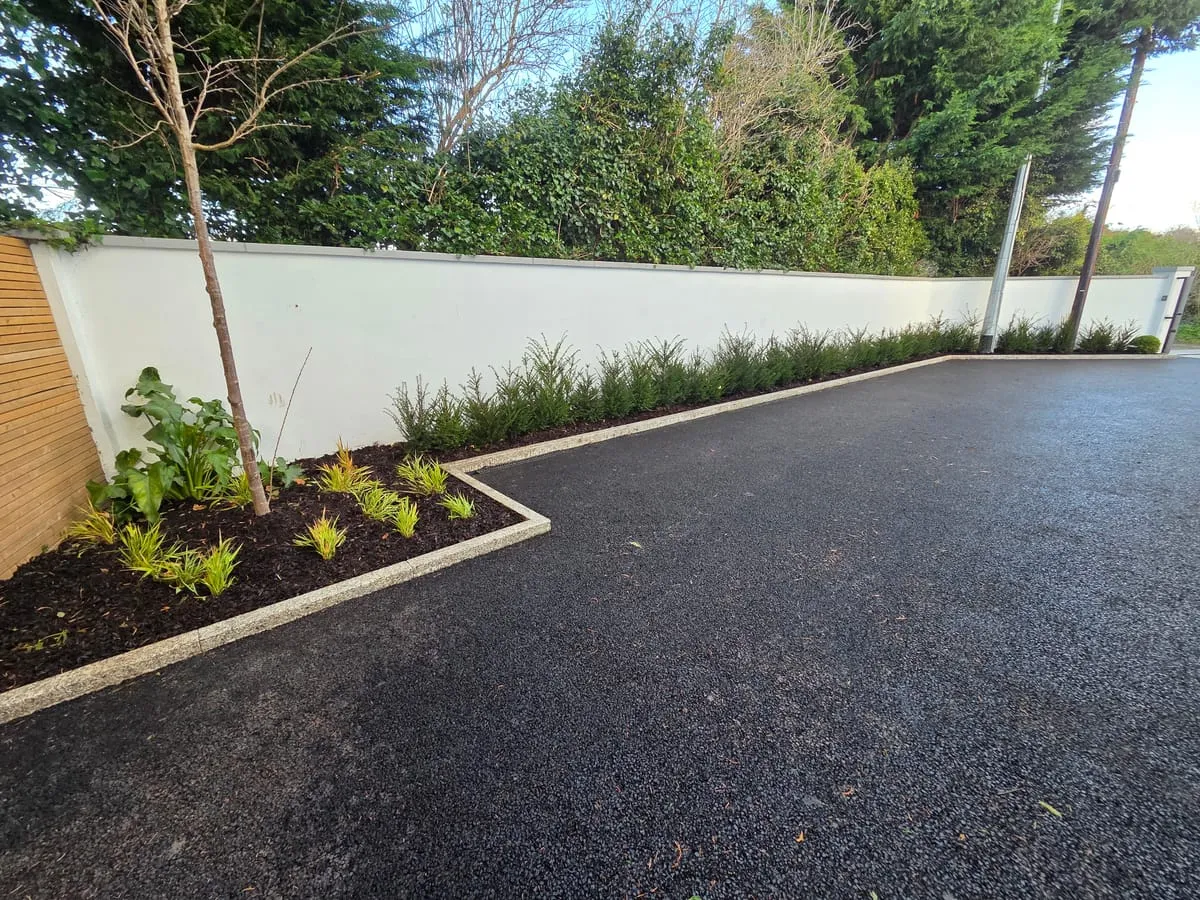
Watching a hedge go downhill is genuinely frustrating. Brown patches, dropping leaves, whole sections looking sorry for themselves. The good news is that most hedge problems in Irish gardens can be fixed once you work out what is actually going wrong. The trick is diagnosing it properly instead of guessing, because the wrong treatment can waste money or make things worse.
This guide walks through the usual suspects so you can narrow it down.
Start by asking: is it water, disease, or a pest?
Most hedge decline comes down to one of three things, and the symptoms overlap, so it pays to think it through:
- Water problems - too much or too little. Very common here given our heavy clay soils and wet winters.
- Disease - usually fungal, encouraged by our damp climate.
- Pests - aphids, scale insects and a few others.
Often it is a combination: a stressed plant is far more likely to pick up disease or pests than a healthy one.
Water problems (the most common cause)
Waterlogging is a big one in Louth. A lot of gardens sit on heavy clay that holds water through the winter, and most hedge plants hate sitting in cold, sodden ground. The signs are yellowing leaves, poor growth even though the soil is plainly wet, and ground that stays muddy for days after rain. If the roots have rotted you may even be able to rock the plant by hand.
The fix is drainage, not feed or spray. Improving the soil with organic matter, raising the bed, or putting in proper drainage is what saves the hedge.
Drought is the opposite problem and shows up as wilting on hot afternoons even when the soil seems fine. Hedges that have been kept alive with regular surface watering are the worst hit, because they never developed deep roots. Recover them with steady, deep watering rather than a sudden flood.
The common diseases
A few diseases turn up again and again in Irish hedges:
- Box blight is the one that changed how people use box hedging. It causes brown patches, bare straw-coloured sections and dark streaks on the stems, and it spreads fast in warm, humid weather. There is no easy cure once it takes hold. If you keep losing box, it is often worth switching to a resistant alternative like yew or a small-leaved holly.
- Honey fungus attacks roots underground and is hard to spot until a plant suddenly dies. The tell-tale signs are a white fungal layer under the bark at the base, bootlace-like black strands in the soil, and honey-coloured mushrooms around the plant in autumn. Infected plants and their roots need removing to stop it spreading.
- Root rots thrive in our wet soils and attack the roots directly. Look for yellowing, wilting despite moisture, and roots that are black and mushy rather than firm and white. Again, the long-term answer is improving drainage.
If you are not sure what you are looking at, it is worth getting a proper diagnosis before spending money on treatments, because these problems all look similar from a distance but need very different handling.
The common pests
- Aphids cluster on soft new growth, leaving curled leaves and a sticky residue. A bad infestation weakens the plant, and stressed plants seem to attract them more. They are usually kept in check by ladybirds and other predators if you have not wiped those out with broad sprays.
- Scale insects show up as small raised bumps on stems and leaves, often with a sticky coating and sooty black mould on top. They drain the plant slowly and can kill sections if left.
Environmental stress
A couple of other things worth ruling out:
- Salt damage, from winter road grit or coastal spray along the Louth coast, shows as brown leaf edges working inward, usually worst on the side facing the road or the sea.
- Wind exposure physically batters hedges and dries them out, particularly newly planted ones in open spots.
- Nutrient shortage can cause general yellowing, though this is less common than people think - it is more often a water or root issue underneath.
How to bring a struggling hedge back
The order that works:
- Sort the obvious cause first - usually drainage or watering.
- Remove diseased material and clean your tools between cuts so you are not spreading anything.
- Reduce stress - protect the hedge from drought, pests and rough handling while it recovers.
- Be patient. A hedge that has had a hard time takes a season or two to bounce back.
Plenty of hedges that look half-dead are actually recoverable. A hard reduction and the right aftercare can transform a tired hedge, as the Ravensdale job above shows.
Want someone to take a look?
If your hedge is struggling and you are not sure why, we are happy to come and have a look. We cover Dundalk, the Cooley peninsula and the surrounding Louth area, and we can tell you honestly whether it is a drainage job, a reduction and recovery job, or a case of replacing a few plants. Call Seamus on 085 168 5170 or get a free quote.