Irish Garden Pruning Calendar: When to Cut What
Complete monthly pruning schedule for Irish gardens. Learn exactly when to prune roses, fruit trees, shrubs, and hedges for optimal growth and flowering.
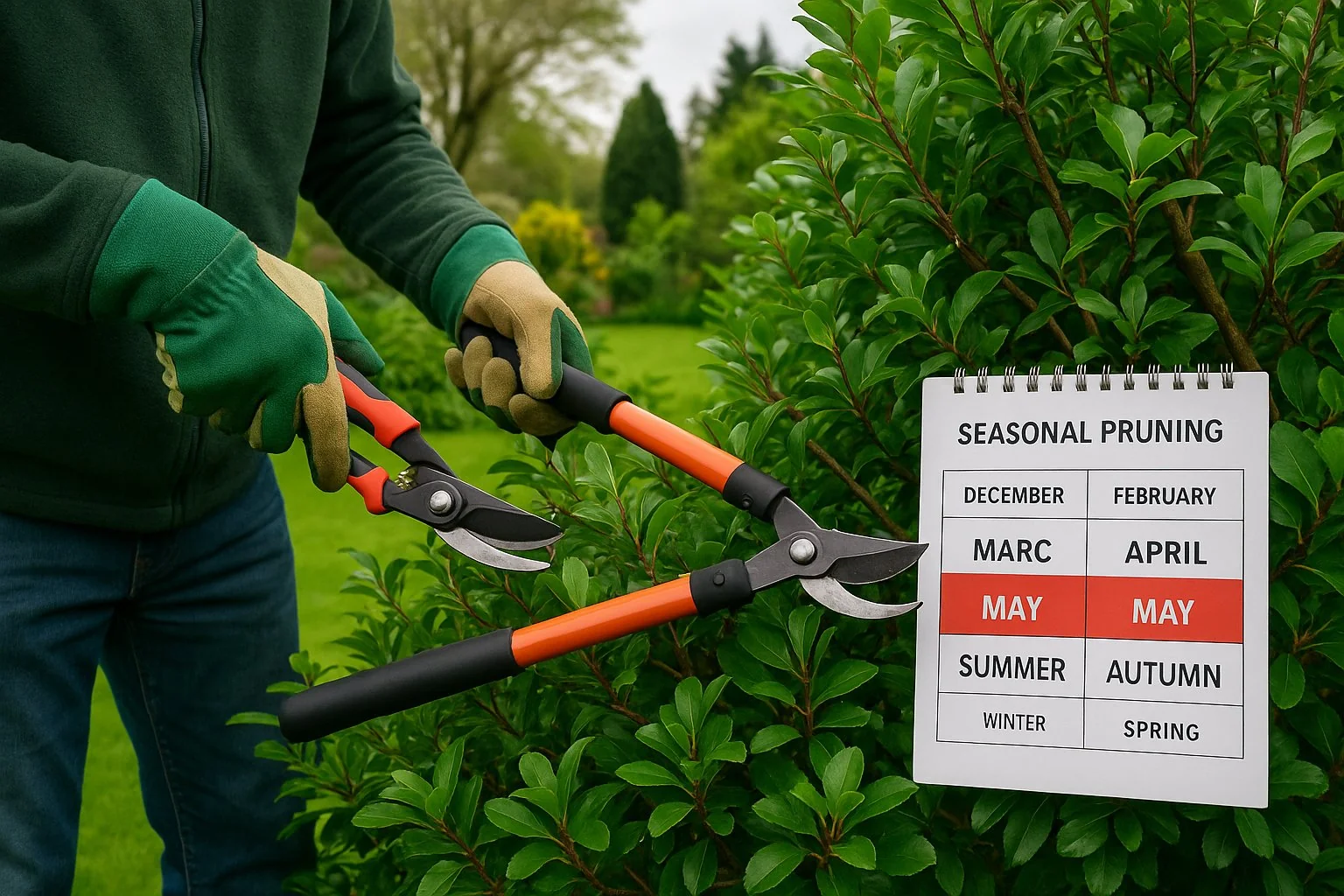
Wrong timing ruins more plants than poor technique ever will. You can be brilliant with secateurs, but prune at the wrong time and you’ll kill flowering for a whole year. Or worse—kill the plant entirely.
Irish gardening timing doesn’t follow the textbooks. Our mild, unpredictable climate means standard European or American advice often fails spectacularly here. What works in London might be a disaster in County Louth.

Monthly Pruning Schedule for Ireland
The key to successful Irish garden pruning is understanding that our seasons don’t follow calendar dates. Weather patterns shift, and you need to read conditions rather than blindly following schedules.
January-February: Dormant Season Pruning
Winter’s your window for major pruning work. Deciduous trees and shrubs are dormant, sap flow is minimal, and you can see plant structure clearly without leaves obscuring everything.
Apple and pear trees get their main pruning now. Remove dead, diseased, and crossing branches first, then shape for good air circulation and light penetration. Never prune stone fruits (plums, cherries) in winter—they’re vulnerable to disease when dormant.
Rose bushes need cutting back by about one-third during late winter. Remove any dead or damaged branches first, then prune remaining branches back to encourage strong new growth from the base. Large-flowered and cluster-flowered roses both benefit from this timing.
But here’s the catch: if we get one of those harsh February cold snaps, newly pruned plants become vulnerable to frost damage. Watch weather forecasts and delay pruning if severe frost is predicted immediately after cutting.
March-May: Spring Pruning Guidelines
Spring pruning focuses on plants that flower later in the year. These bloom on current season’s growth, so early spring cutting encourages vigorous shoots that will flower in summer and autumn.
Buddleia, hardy fuchsia, and hydrangea all get cut back hard in March or early April. Don’t worry about being gentle—these plants respond well to aggressive cutting and will produce better flowers for it.
Evergreen shrubs can be shaped lightly in late spring, but avoid heavy cutting until they’ve finished their main growth flush. The exception is box hedging, which can be cut in May without problems.
Spring-flowering shrubs like forsythia and Japanese quince need pruning immediately after flowering. Miss this window and you’ll cut off next year’s flower buds, leaving yourself with a green hedge instead of spring color.
June-August: Summer Maintenance
Summer pruning focuses on controlling size and improving flowering rather than major reshaping. Most cutting now is about refining growth rather than dramatic changes.
Hedge trimming happens mainly in summer, particularly for beech hedges which should be cut in August to retain their winter foliage. This timing allows fresh growth to mature before winter while maintaining the hedge’s screening value.
Apple and pear trees benefit from summer pruning of vigorous shoots. Cut soft, green growth back to two or three leaves from the base in July or August. This reduces tree size and improves fruit quality by concentrating energy into developing fruit rather than excessive growth.
Dead-heading throughout summer maintains flowering displays and prevents self-seeding where it’s not wanted. Regular removal of spent flowers encourages repeat flowering in roses and many perennial plants.

September-December: Autumn Preparation
Autumn pruning prepares plants for winter while avoiding the stimulation of new growth that would be vulnerable to frost damage.
Most pruning stops by late September to allow plants to begin hardening off for winter. Late pruning encourages soft growth that doesn’t have time to mature before cold weather arrives.
Tree surgery and major renovation work can begin in November once leaves have fallen and growth has definitely stopped. This timing allows maximum time for healing before the next growing season begins.
Cleanup becomes the priority during autumn. Remove fallen leaves from around roses and fruit trees to prevent disease carryover, and clear dead material that could harbor pests through winter.
Plant-Specific Pruning Times
Different plant groups have evolved different growth patterns, and successful pruning must work with these natural cycles rather than against them.
Deciduous Trees and Shrubs
The basic rule is simple: if it flowers before the end of May, prune immediately after flowering. If it flowers after May, prune in late winter or early spring.
This timing ensures you don’t accidentally remove flower buds that have already formed for next year’s display. Early-flowering plants form their buds during summer for the following spring, while late-flowering plants form buds on current season’s growth.
Deciduous shrubs that bloom in summer—like buddleia and hardy hibiscus—respond well to hard pruning in March. Cut back to within 6 inches of ground level for vigorous regrowth and maximum flowering.
Evergreen Maintenance
Evergreens need more careful timing because they don’t have a clear dormant period. Most respond best to pruning just after their main growth flush in late spring or early summer.
Conifers have special requirements. Most can only regrow from green wood, so never cut back into old, brown stems unless you want a permanent gap. Light, regular trimming maintains shape better than occasional heavy cutting.
Broad-leaved evergreens like laurel and holly can be cut back harder, but timing matters. Late spring through early summer gives maximum time for regrowth before winter, while avoiding the stress of cutting during cold weather.
Flowering Plants and Roses
Roses are probably the most misunderstood plants when it comes to pruning timing. The old advice about pruning when forsythia blooms doesn’t work reliably in Irish conditions where forsythia timing varies enormously between years.
Soil temperature is a better guide than air temperature or calendar dates. When soil at 4-inch depth reaches about 7°C consistently, rose pruning can begin safely. This usually happens in late February or March but can vary by several weeks between years.
Climbing roses need different timing than bush roses. Prune main framework stems lightly in winter, but save major cutting of side shoots until after flowering. This maintains the established framework while encouraging flowering shoots.
Fruit Trees and Bushes
Fruit pruning splits into winter work for apples and pears, and summer work for stone fruits. This difference relates to disease susceptibility—stone fruits are vulnerable to bacterial infections when pruned during wet winter weather.
Gooseberries and currants get winter pruning to remove old wood and encourage productive new growth. Black currants fruit best on one-year-old wood, so annual removal of old stems maintains productivity.
Summer pruning of trained fruit trees controls vigor and improves fruiting. Espaliers, cordons, and fan-trained trees all benefit from cutting back vigorous shoots in July and August to maintain their training shape.

Weather and Climate Considerations
Irish weather patterns affect pruning timing more than most gardening guides acknowledge. Our unpredictable climate requires flexible approaches rather than rigid schedules.
Frost Risk Assessment
Late spring frosts can damage newly pruned plants, particularly those that respond to pruning by producing tender new growth immediately. Watch long-range weather forecasts before major spring pruning work.
Coastal areas generally have less frost risk than inland locations, allowing slightly earlier spring pruning. But they also face salt wind exposure that can damage recently cut plants, requiring different timing considerations.
Microclimates within gardens also affect timing. Sheltered corners may be ready for pruning weeks before exposed areas, and south-facing positions warm up faster than north-facing ones.
Wet Weather Adaptations
Irish rainfall affects pruning in several ways. Wet weather spreads disease between plants via contaminated tools, and creates conditions where bacterial infections can establish in fresh cuts.
Clean tools between plants when working in wet conditions, using methylated spirits or disinfectant solution. This simple precaution prevents spreading diseases like fire blight or bacterial canker.
Some pruning is actually better done in wet weather. Summer cutting of vigorous trees reduces stress because plants aren’t losing water through transpiration as rapidly as they would in hot, dry conditions.
Professional pruning services understand these weather-related factors and adjust timing accordingly, ensuring optimal results regardless of seasonal variations.
Professional Pruning Services
Complex pruning jobs often benefit from professional expertise, particularly when dealing with valuable plants or challenging timing requirements.
Expert Timing and Techniques
Professional services understand the interaction between plant biology, weather patterns, and individual garden microclimates. This knowledge ensures pruning happens at optimal times for each specific situation.
Proper tool selection and maintenance produces better results than even perfect timing with poor equipment. Professional tools create clean cuts that heal quickly, reducing disease risk and improving plant response.
Plant identification expertise prevents costly mistakes. Misidentifying a plant and using wrong pruning techniques can destroy years of growth or eliminate flowering for multiple seasons.
Specialized Equipment Use
Large trees and high hedges require specialized equipment for safe, effective pruning. Chainsaws, pole pruners, and cherry pickers all need training and experience for safe operation.
Waste disposal becomes significant on larger pruning jobs. Professional services have the equipment and disposal relationships to handle large volumes of pruning waste efficiently and legally.
Safety considerations multiply with height and equipment complexity. Professional insurance and training ensure work is completed safely without risk to property or people.
Common Pruning Mistakes to Avoid
Understanding what not to do often matters more than perfect technique. These common mistakes cause more plant damage than any other pruning errors.
Wrong Timing Consequences
Pruning spring-flowering shrubs in winter removes all the flower buds and eliminates spring display entirely. This mistake takes a full year to correct and happens frustratingly often.
Late summer pruning stimulates new growth that doesn’t have time to harden before winter, leaving plants vulnerable to frost damage. This is particularly problematic with roses and tender shrubs.
Stone fruit pruning in winter invites silver leaf disease and bacterial canker. These diseases can kill established trees and are entirely preventable with correct timing.
Improper Technique Damage
Leaving stubs when removing branches creates entry points for disease and prevents proper wound healing. Cut back to the branch collar for fastest healing and disease resistance.
Topping trees—cutting main stems back to arbitrary points—ruins tree structure and creates weak regrowth that’s vulnerable to breakage. Proper thinning maintains natural shape while controlling size.
Using dull tools creates torn, ragged cuts that heal slowly and become infected easily. Sharp, clean tools are essential for successful pruning regardless of timing or technique.
Successful pruning in Irish conditions requires understanding our unique climate patterns and working with plant biology rather than against it. Seasonal maintenance programs help ensure pruning happens at optimal times throughout the year.
The investment in proper timing and technique pays dividends in better flowering, healthier plants, and gardens that perform consistently year after year. Whether you tackle the work yourself or use professional services, understanding these timing principles helps you get the best results from your Irish garden.