Best Evergreen Bushes for Landscaping in Ireland: 2025 Guide
Complete guide to evergreen shrubs for Irish gardens. Discover native and popular species, planting tips, and design strategies that thrive in Ireland's climate with minimal maintenance.
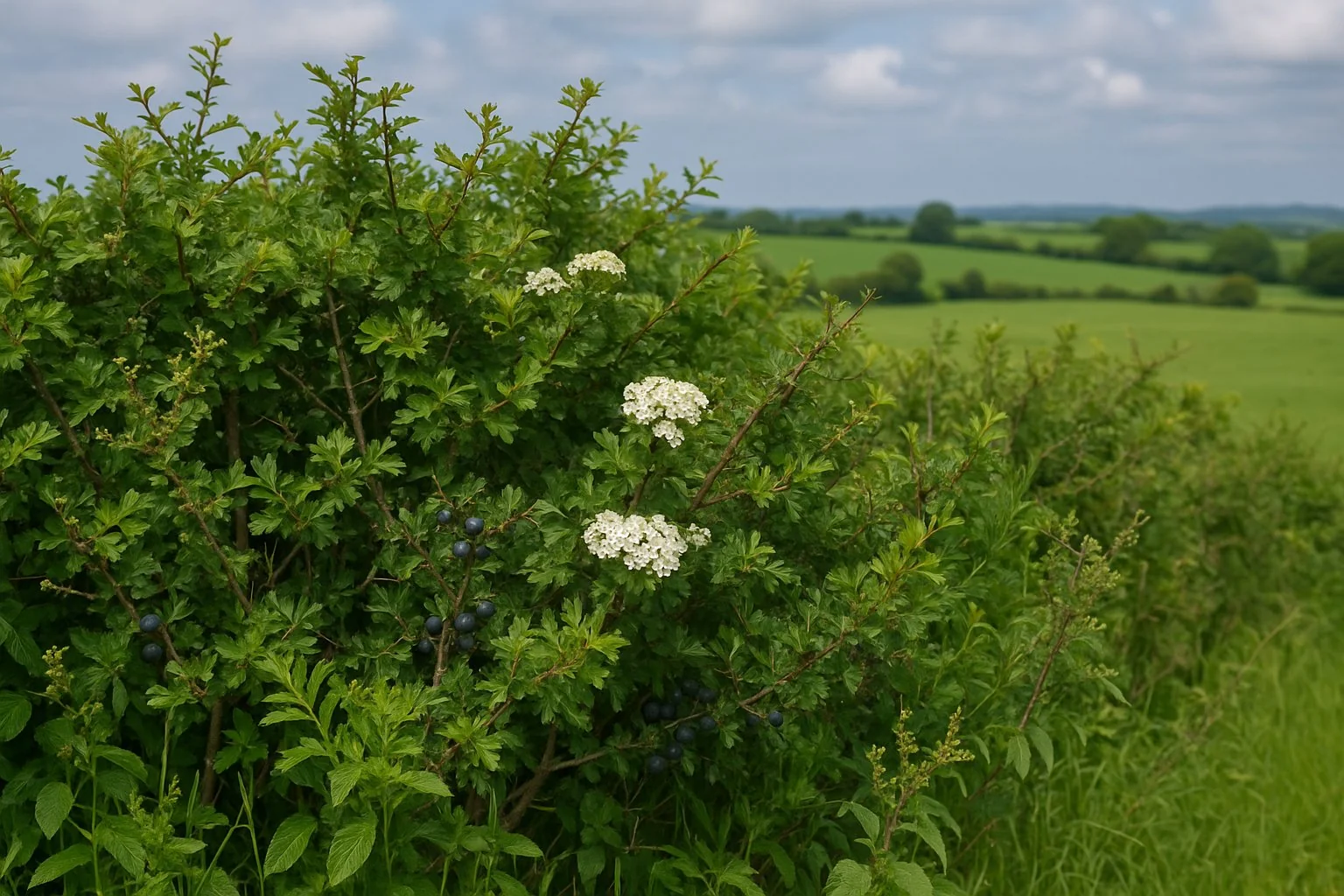
Evergreen bushes transform Irish gardens into year-round sanctuaries. While deciduous plants sleep through winter, evergreens keep your landscape alive with color, structure, and wildlife value during the bleakest months.
But here’s what many Irish gardeners don’t realize—choosing the right evergreen shrubs for our unique climate makes the difference between thriving plants and constant struggle. Ireland’s mix of mild temperatures, abundant rainfall, and occasional harsh winds creates specific challenges that some evergreens handle brilliantly while others barely survive.
The secret lies in selecting species that actually love Irish conditions rather than just tolerating them. Native evergreens like holly and yew have evolved here for thousands of years, while carefully chosen non-natives like rhododendrons and camellias provide exotic beauty without the headaches.
Modern Irish gardens benefit from strategic evergreen placement that creates structure, provides privacy, and supports local wildlife. Whether you’re planning a new landscape or enhancing existing gardens, understanding which evergreens work best—and where to place them—ensures beautiful results with minimal maintenance.

Understanding Ireland’s Unique Growing Conditions
Ireland’s maritime climate creates specific advantages and challenges for evergreen shrubs that differ significantly from continental European or British growing conditions. Understanding these factors helps select species that thrive rather than merely survive.
Climate Advantages for Evergreen Growth
Ireland’s mild temperatures throughout winter provide ideal conditions for evergreen establishment and growth. Unlike harsh continental winters that stress many evergreen species, Irish temperatures rarely drop below -5°C, allowing plants to continue photosynthesis and root development during dormant seasons.
Abundant rainfall throughout the year eliminates irrigation needs for most established evergreens while providing consistent soil moisture that supports vigorous growth. Irish rainfall patterns particularly benefit acid-loving evergreens that struggle in drier European climates.
High humidity levels create favorable conditions for many evergreen species, particularly those originating from coastal or woodland environments. This natural humidity reduces transpiration stress and helps evergreens maintain healthy foliage throughout the growing season.
Extended growing seasons due to mild conditions allow evergreens to establish quickly and develop extensive root systems before facing any environmental stress. Spring growth often begins earlier and continues longer than in harsher climates.
Oceanic influence moderates temperature extremes while providing natural salt tolerance in coastal areas. This maritime effect creates microclimates that support diverse evergreen species from different global regions.
Cloud cover during summer months prevents excessive heat stress that damages many evergreen species in sunnier climates. Irish conditions rarely create the extreme heat and drought stress that challenges evergreens elsewhere.
Challenges and Considerations
Waterlogged soils during wet periods can damage evergreen root systems, particularly for species requiring excellent drainage. Heavy clay soils common throughout Ireland exacerbate drainage problems while creating anaerobic conditions that kill sensitive roots.
Salt exposure from coastal winds affects evergreen selection throughout Ireland’s extensive coastline. While some species tolerate salt spray excellently, others suffer severe damage from coastal exposure requiring careful species selection.
Strong Atlantic winds can physically damage evergreen foliage and branches while increasing water loss through transpiration. Exposed sites require wind-tolerant species or strategic placement for protection.
Late frost events occasionally damage tender evergreen growth during spring establishment periods. While infrequent, these events can severely set back sensitive species requiring protection or species selection.
Variable seasonal patterns including occasional drought summers challenge evergreen establishment and stress plants adapted to consistent moisture levels. Climate change effects may increase frequency of challenging weather patterns.
Limited sunlight during winter months can affect evergreen health and flowering for species requiring high light levels. Understanding light requirements helps position evergreens appropriately within garden designs.
Regional Variations Across Ireland
Coastal areas throughout Ireland benefit from maritime influence that moderates temperatures while providing salt tolerance requirements for many evergreen species. However, salt spray limits species selection to naturally tolerant plants.
Inland areas experience greater temperature variation and reduced humidity while offering protection from salt damage. These locations support wider evergreen species selection but may require more attention to soil moisture during dry periods.
Northern counties typically experience cooler conditions and reduced growing seasons compared to southern areas. Species selection should favor hardy evergreens adapted to shorter seasons and cooler conditions.
Southern and southwestern regions enjoy extended growing seasons and milder conditions that support tender evergreen species requiring protection elsewhere. These areas offer opportunities for exotic evergreens requiring specific climate conditions.
Urban microclimates throughout Ireland create warmer conditions that support tender evergreen species while providing protection from extreme weather. City gardens often support species that struggle in rural exposed locations.
Mountain and elevated areas face harsher conditions requiring extremely hardy evergreen selection while offering opportunities for alpine species adapted to challenging environments.

Native Irish Evergreen Species
Ireland’s native evergreen flora provides excellent landscaping options perfectly adapted to local conditions while supporting indigenous wildlife populations and requiring minimal maintenance once established.
Holly (Ilex aquifolium) - Ireland’s Premier Native Evergreen
Holly represents Ireland’s most versatile native evergreen, providing year-round structure, wildlife value, and distinctive seasonal interest through its glossy foliage and brilliant red berries. This slow-growing species adapts to virtually any Irish garden condition.
Growing characteristics include moderate growth rates of 15-30cm annually, reaching mature heights of 5-15 meters depending on conditions and pruning. Holly tolerates heavy cutting, making it suitable for formal hedging or topiary while developing into magnificent specimen trees when left unpruned.
Soil tolerance encompasses virtually all Irish soil types from heavy clay to sandy loam, though holly performs best in slightly acid to neutral conditions with good drainage. The species tolerates waterlogging better than most evergreens while thriving in dry conditions once established.
Light requirements prove remarkably flexible, with holly performing well in full sun through deep shade conditions. While growth rates slow in heavy shade, the species maintains healthy foliage and develops attractive open branching patterns.
Wildlife benefits from holly include essential winter food sources through persistent berries that sustain birds during harsh weather. Female plants produce berries when male pollinator plants grow nearby, creating important ecosystem services for Irish wildlife.
Landscape applications range from formal hedging and topiary through informal woodland plantings and specimen trees. Holly’s thorny nature provides excellent security screening while its tolerance for urban pollution makes it valuable for city gardens.
Commercial availability through Irish nurseries includes various cultivars with different growth habits, berry colors, and foliage variations. Established suppliers like Future Forests and Cullen Nurseries stock holly consistently with competitive pricing for landscape projects.
Yew (Taxus baccata) - Ancient Elegance for Modern Gardens
Yew provides unmatched longevity and sophistication in Irish landscapes, with individual plants living centuries while maintaining dense, dark green foliage perfect for formal designs or natural woodland settings.
Historical significance includes association with ancient Irish churchyards and sacred sites, where massive yew trees create atmospheric settings while demonstrating the species’ incredible longevity and cultural importance.
Growth patterns include extremely slow establishment followed by steady development over decades. While patience is required initially, mature yews create magnificent landscape features that enhance property value while requiring minimal maintenance.
Pruning tolerance exceeds virtually all other evergreen species, with yew responding excellently to heavy cutting, shaping, and topiary work. This characteristic makes yew invaluable for formal gardens while allowing renovation of overgrown specimens.
Soil adaptability encompasses all Irish soil types including challenging chalk and clay conditions. Yew tolerates both wet and dry conditions while performing best in well-drained locations with neutral to slightly alkaline pH.
Light tolerance spans full sun through deep shade, though foliage density may reduce in heavily shaded locations. This adaptability allows yew placement throughout garden designs where other evergreens might struggle.
Safety considerations include toxicity of all plant parts except berry flesh, requiring careful placement away from livestock and children. While concerning, proper awareness and placement allow safe enjoyment of yew’s landscape benefits.
Nursery availability includes both species forms and selected cultivars with different growth habits and foliage characteristics. Irish suppliers provide various sizes from small hedge plants through mature specimens for immediate impact.
Gorse (Ulex europaeus) - Wild Beauty and Practicality
Gorse offers distinctive Irish character through its golden spring flowers and spiny evergreen foliage, providing valuable wildlife habitat while thriving in difficult conditions unsuitable for other evergreen species.
Natural distribution throughout Ireland demonstrates gorse’s adaptation to local conditions, from coastal cliffs through inland heath areas. This widespread success indicates excellent suitability for challenging garden locations.
Flowering characteristics include masses of bright yellow, pea-like flowers primarily in spring but continuing sporadically throughout the year. These fragrant blooms provide essential early nectar for pollinators when few other plants flower.
Growing conditions favor poor, acidic soils and exposed locations where other evergreens struggle. Gorse actually performs poorly in rich soils, making it ideal for difficult sites requiring low-maintenance evergreen coverage.
Wildlife value includes nesting sites for birds, nectar for pollinators, and seeds for wildlife. Despite its aggressive appearance, gorse supports diverse wildlife communities while providing dense protective cover.
Management requirements include occasional cutting to prevent excessive size and maintain flowering vigor. However, gorse tolerates neglect well while providing reliable evergreen coverage with minimal inputs.
Landscape applications include naturalistic plantings, difficult slope stabilization, and wildlife gardens where formal appearance isn’t required. Gorse works particularly well in coastal and exposed locations unsuitable for other species.
Dwarf varieties including Irish gorse (Ulex gallii) provide similar characteristics in smaller, more manageable forms suitable for garden use while maintaining the species’ distinctive character and wildlife value.
Juniper (Juniperus communis) - Architectural Evergreen Drama
Juniper provides distinctive architectural forms and aromatic foliage while adapting excellently to challenging Irish conditions including poor soils and exposed locations unsuitable for other evergreen species.
Growth forms vary dramatically from prostrate ground-covering varieties through upright columnar forms reaching 5-8 meters. This diversity allows juniper use throughout landscape designs for different functions and visual effects.
Soil tolerance includes virtually any well-drained condition from sandy to rocky soils, though junipers struggle in waterlogged conditions common in some Irish locations. Alkaline tolerance makes juniper suitable for limestone areas.
Drought tolerance exceeds most evergreen species once established, making juniper valuable for dry exposed locations or areas with irregular irrigation. This characteristic suits modern low-maintenance landscape approaches.
Foliage characteristics include needle-like leaves ranging from bright green through blue-green to golden variations depending on cultivar selection. Aromatic properties provide additional sensory garden interest.
Wildlife benefits include berries valuable for birds and dense foliage providing nesting and shelter opportunities. Junipers support specialized wildlife communities while requiring minimal management inputs.
Maintenance requirements remain minimal once established, with occasional pruning sufficient to maintain desired forms. Junipers tolerate heavy cutting if renovation becomes necessary after neglect.
Landscape applications include rockeries, Mediterranean-style gardens, and architectural plantings where distinctive forms create focal points or structural elements within broader design schemes.

Popular Non-Native Evergreen Shrubs
Carefully selected non-native evergreens can thrive in Irish conditions while providing exotic beauty and extended flowering seasons that complement native species in sophisticated landscape designs.
Rhododendrons - Spectacular Flowering Evergreens
Rhododendrons provide unmatched spring flowering displays while maintaining attractive evergreen foliage throughout the year, making them among Ireland’s most popular exotic evergreen shrubs for acid soil gardens.
Species diversity includes hundreds of varieties from compact dwarf forms suitable for small gardens through large species reaching tree-like proportions. This range accommodates various landscape applications and garden sizes.
Flowering periods extend from early spring through summer depending on species selection, providing extended color displays when coordinated properly. Colors range from pure white through pink, red, purple, and yellow combinations.
Soil requirements emphasize acid conditions with pH below 6.5, though many rhododendrons tolerate neutral soils with appropriate care. Rich, organic matter and excellent drainage ensure healthy growth and flowering.
Light preferences vary by species but generally favor dappled shade with protection from strong afternoon sun. These requirements suit many Irish garden locations under mature trees or north-facing positions.
Hardy varieties selected for Irish conditions include compact forms like ‘Silver Sixpence’ and larger species proven in local gardens. Established varieties show excellent cold tolerance while maintaining reliable flowering.
Wildlife value includes nectar sources for bees and butterflies during flowering periods while dense foliage provides nesting sites for small birds. However, some rhododendron species can become invasive in natural areas.
Care requirements include regular watering during establishment, mulching to maintain soil moisture, and occasional pruning after flowering to maintain shape and encourage vigorous growth.
Commercial availability through Irish nurseries includes both species forms and hybrid varieties selected for local conditions. Specialist suppliers provide advice on variety selection for specific garden conditions.
Camellias - Elegant Winter and Spring Flowering
Camellias provide sophisticated flowering during late winter and early spring when few other plants bloom, offering valuable seasonal interest while maintaining glossy evergreen foliage throughout the year.
Flowering timing typically begins in late winter and extends through spring, providing color during the bleakest garden periods. Flower forms range from simple single blooms through complex double varieties in various sizes.
Color range encompasses white, pink, red, and variegated combinations with some varieties offering fragrant blooms in addition to visual appeal. Flower durability varies but generally provides several weeks of display.
Growing requirements include acid soil similar to rhododendrons, with consistent moisture and protection from strong winds that damage delicate flowers. Shelter from early morning sun prevents frost damage to blooms.
Hardy varieties suitable for Irish conditions include Camellia japonica and Camellia x williamsii forms selected for cold tolerance and reliable flowering. These proven varieties establish well and flower consistently.
Container cultivation offers flexibility for gardens with unsuitable soil conditions, allowing camellia growing in ericaceous compost while providing mobility for optimal positioning throughout seasons.
Pruning requirements remain minimal beyond removing damaged growth and shaping after flowering. Camellias benefit from mulching and consistent moisture rather than intensive maintenance programs.
Companion planting with other acid-loving plants creates themed garden areas while providing mutual benefits through similar cultural requirements and complementary flowering periods.
Market availability includes various sizes from small starter plants through mature flowering specimens. Irish garden centers stock proven varieties while specialist suppliers offer extensive selections.
Bay Laurel (Laurus nobilis) - Culinary and Ornamental Excellence
Bay laurel combines practical herb production with outstanding evergreen landscaping value, providing aromatic foliage useful for cooking while creating sophisticated formal or informal garden designs.
Culinary applications include fresh leaf harvest for cooking throughout the year, providing valuable kitchen herbs while maintaining attractive evergreen structure in garden designs.
Growth characteristics include moderate rates reaching 3-5 meters in Irish conditions, though bay responds excellently to pruning and shaping for controlled sizes or topiary applications.
Soil tolerance encompasses most Irish soil types provided drainage remains adequate. Bay performs best in fertile, well-drained locations but adapts to various conditions once established.
Climate adaptation suits most Irish locations though bay benefits from shelter in exposed coastal areas. Urban conditions and pollution tolerance make bay valuable for city gardens.
Formal applications include topiary, hedging, and container growing where controlled shapes enhance garden designs. Bay’s tolerance for heavy pruning enables sophisticated formal treatments.
Informal uses include woodland gardens, mixed shrub borders, and naturalistic plantings where bay provides evergreen structure while supporting diverse plant communities.
Maintenance requirements include occasional pruning to maintain desired sizes or shapes, though bay tolerates neglect while continuing to provide useful foliage harvest.
Container growing suits bay excellently for patios, courtyards, and areas with challenging soil conditions. Containers enable seasonal positioning while providing year-round herb production.
Pieris - Spring Elegance with Distinctive Foliage
Pieris combines spectacular spring flowering with attractive evergreen foliage that often displays colorful new growth, creating multi-season interest in acid soil gardens.
Flowering displays feature drooping clusters of bell-shaped flowers in white, pink, or red during spring periods when few other evergreens bloom. Flower clusters create dramatic focal points lasting several weeks.
Foliage characteristics include distinctive young growth in bronze, red, or bright green colors that contrast beautifully with mature dark green leaves. This color variation provides year-round visual interest beyond flowering periods.
Growing requirements emphasize acid soil with consistent moisture and protection from strong winds. These requirements align well with rhododendron and camellia growing conditions in themed garden areas.
Hardy varieties proven in Irish conditions include Pieris japonica forms selected for cold tolerance and reliable flowering. These varieties establish well while maintaining distinctive foliage characteristics.
Companion possibilities include integration with other acid-loving evergreens and deciduous plants creating diverse plant communities with extended seasonal interest and mutual cultural benefits.
Maintenance needs remain minimal beyond ensuring adequate moisture and occasional pruning after flowering. Pieris benefits from mulching and protection from extreme weather conditions.
Landscape applications include shrub borders, woodland gardens, and container growing where spring flowering and attractive foliage enhance garden designs throughout the year.
Size variations from compact forms suitable for small gardens through larger varieties reaching 2-3 meters provide options for various landscape applications and garden sizes.

Design Strategies for Evergreen Landscaping
Strategic evergreen placement creates garden frameworks that provide year-round structure while supporting seasonal plantings and enhancing property value through thoughtful design principles.
Creating Year-Round Garden Structure
Evergreen backbone establishment provides foundation structure that remains attractive throughout seasonal changes while supporting complementary plantings that enhance rather than compete with permanent framework elements.
Layered planting approaches combine evergreens of different heights and textures to create complex visual compositions that maintain interest without appearing cluttered or overly complex.
Focal point creation uses distinctive evergreen specimens to draw attention and create visual anchors throughout garden designs. Strategic placement of architectural evergreens guides visitor attention while creating memorable garden moments.
Screening applications utilize evergreen plantings to provide privacy, reduce noise, and block unsightly views while maintaining attractive garden character. Evergreen screens work year-round unlike deciduous alternatives.
Transitional zones between different garden areas benefit from evergreen plantings that provide continuity while allowing gradual changes in garden character and style.
Microclimate creation through strategic evergreen placement provides shelter for tender plants while creating favorable growing conditions throughout garden areas.
Seasonal enhancement through evergreen frameworks supports spring bulbs, summer perennials, and autumn color displays while maintaining garden structure during winter dormant periods.
Combining Evergreens with Seasonal Plantings
Spring integration allows evergreen backgrounds to showcase early bulbs and flowering trees while providing structure that remains attractive before and after ephemeral displays.
Summer combinations use evergreen foliage as backdrops for colorful annual displays and perennial borders while providing relief from intense seasonal colors.
Autumn partnerships highlight deciduous tree color against evergreen backgrounds while providing structure that remains after leaves fall and garden enters dormant periods.
Winter interest relies heavily on evergreen structure enhanced by plants with attractive bark, persistent berries, or architectural seed heads that complement evergreen foliage.
Color coordination considers evergreen foliage colors when selecting companion plants to create harmonious combinations rather than competing elements within garden designs.
Texture contrasts between evergreen needles, broad leaves, and compound foliage create visual interest while supporting diverse plant communities with different cultural requirements.
Maintenance scheduling coordinates care for evergreen and seasonal plantings to maximize efficiency while ensuring all garden elements receive appropriate attention throughout growing seasons.
Regional Design Considerations
Coastal gardens require salt-tolerant evergreen selection while taking advantage of moderated temperatures and extended growing seasons that support tender species requiring protection elsewhere.
Inland areas benefit from wind protection through evergreen windbreaks while utilizing greater temperature variations to support species requiring distinct seasonal changes.
Urban environments favor pollution-tolerant evergreens while utilizing heat island effects and protection from extreme weather to support tender species challenging in rural locations.
Rural settings often provide opportunities for large-scale evergreen plantings while requiring consideration of agricultural activities and rural character preservation.
Mountain locations require extremely hardy evergreen selection while offering opportunities for alpine species and dramatic seasonal contrasts enhanced by evergreen frameworks.
Traditional Irish garden styles benefit from native evergreen integration while allowing modern design elements that enhance rather than overwhelm traditional character.
Contemporary design approaches utilize evergreen architecture and minimal maintenance requirements while creating sophisticated landscapes suitable for modern lifestyles and property values.
Sustainable Landscaping with Evergreens
Water conservation through evergreen selection reduces irrigation requirements while providing year-round beauty and structure. Most established evergreens thrive with natural rainfall in Irish conditions.
Wildlife support through native and wildlife-friendly evergreen selection creates habitat while providing food sources and nesting opportunities for local species throughout seasonal cycles.
Low maintenance approaches utilize appropriate evergreen species selection and placement to minimize ongoing care requirements while maintaining attractive garden character throughout the year.
Carbon sequestration benefits from evergreen plantings contribute to climate change mitigation while providing landscape benefits and enhanced property values.
Biodiversity enhancement through diverse evergreen plantings supports various wildlife species while creating resilient garden ecosystems that adapt to changing environmental conditions.
Soil improvement through evergreen root systems and organic matter contribution enhances soil health while reducing erosion and improving water infiltration throughout garden areas.
Long-term value creation through quality evergreen installations provides lasting landscape benefits that enhance property values while requiring minimal ongoing investment compared to high-maintenance alternatives.
Planting and Establishment Success
Proper planting techniques and early care ensure evergreen shrubs establish quickly while developing robust root systems that support long-term health and minimal maintenance requirements.
Optimal Planting Timing for Irish Conditions
Autumn planting between September and November provides ideal conditions for evergreen establishment, allowing root development during mild winter conditions before spring growth demands.
Spring planting during March through May offers good establishment opportunities though requires more attention to watering during potentially dry summer periods following planting.
Container-grown evergreens allow flexible planting timing throughout growing seasons, though extreme summer heat or winter cold should be avoided for optimal establishment success.
Bare-root plants typically require autumn or early spring planting during dormant periods when plants can be handled without shock and establish before active growth resumes.
Weather considerations include avoiding planting during freezing conditions, waterlogged soils, or drought periods that stress newly planted evergreens during critical establishment phases.
Seasonal preparation involves advance soil improvement and site preparation that allows immediate planting when conditions become favorable without delays that reduce success rates.
Site readiness assessment ensures proper conditions exist before planting begins, including drainage adequacy, soil preparation completion, and protection availability during establishment periods.
Soil Preparation and Amendment Strategies
Drainage improvement represents the most critical factor for evergreen success in Irish conditions, with waterlogged soils causing more failures than any other factor.
Soil testing reveals pH levels, nutrient status, and structural problems that affect evergreen establishment and long-term health. Professional testing costs prove worthwhile for valuable plantings.
Organic matter incorporation improves soil structure while providing slow-release nutrients and moisture retention that support evergreen establishment and long-term growth.
pH adjustment may be necessary for acid-loving evergreens in alkaline soils or lime-tolerant species in very acid conditions. Gradual adjustment prevents shock while providing optimal growing conditions.
Drainage solutions range from simple soil amendment through formal drainage systems depending on site conditions and evergreen species requirements.
Mulching preparation includes selecting appropriate materials and establishing proper application depths that conserve moisture while preventing pest problems and root collar rot.
Site protection during preparation prevents compaction and damage while ensuring proper growing conditions exist when planting begins.
Planting Techniques for Long-Term Success
Hole preparation should create planting areas 2-3 times the root ball width while maintaining appropriate depth that positions plants at correct soil levels.
Root preparation includes gentle loosening of container roots or proper handling of bare-root systems to encourage rapid establishment and prevent circling root development.
Watering techniques during planting ensure thorough soil contact with roots while preventing air pockets that interfere with establishment and early growth.
Backfill composition should match existing soil texture while incorporating appropriate amendments that support root growth without creating drainage problems.
Plant positioning considers mature size, growth patterns, and design objectives while ensuring adequate spacing for proper development without future overcrowding.
Initial care programs include watering schedules, protection installation, and monitoring protocols that ensure successful establishment during critical early periods.
Follow-up maintenance includes regular monitoring, appropriate pruning, and care adjustments based on plant response and changing conditions throughout establishment years.
Early Care and Maintenance Programs
Watering schedules during establishment require consistent moisture without waterlogging, typically requiring deep weekly watering during dry periods throughout the first growing season.
Mulching applications conserve moisture while suppressing weeds and moderating soil temperatures. Proper mulch depth and material selection prevent problems while maximizing benefits.
Protection systems including wind barriers and pest exclusion may be necessary during establishment, particularly for tender species or exposed locations.
Monitoring protocols identify establishment problems early while tracking growth progress and health indicators that guide care decisions throughout establishment periods.
Fertilization programs provide appropriate nutrition without overstimulation that encourages weak growth vulnerable to environmental stress and pest problems.
Pruning activities during establishment focus on removing damaged growth and encouraging proper form rather than significant size control that can stress newly planted evergreens.
Problem identification and response protocols ensure quick action when establishment problems develop, preventing minor issues from becoming major failures requiring plant replacement.
Weather protection during extreme conditions helps newly planted evergreens survive establishment periods when root systems haven’t fully developed sufficient resilience for challenging conditions.

Maintenance and Long-Term Care
Established evergreen shrubs require minimal maintenance compared to other garden plants, but understanding proper care techniques ensures healthy growth and attractive appearance throughout their long lifespans.
Seasonal Care Requirements
Spring maintenance includes assessment of winter damage, removal of dead or damaged growth, and application of balanced fertilizer before active growth begins. This timing allows rapid recovery and vigorous seasonal development.
Summer care focuses on watering during drought periods, monitoring for pest problems, and light pruning if necessary. Established evergreens typically require minimal summer intervention in Irish conditions.
Autumn preparation involves final fertilization with low-nitrogen formulations, continuation of watering until soil moisture increases, and assessment of winter protection needs for tender species.
Winter protection may be necessary for tender evergreens during severe weather, though most species suited to Irish conditions require minimal intervention during normal winter conditions.
Monitoring throughout all seasons identifies developing problems early while tracking growth patterns and health indicators that guide management decisions and care timing.
Seasonal adjustment of care practices accommodates changing weather patterns and plant needs while maintaining consistent health and appearance throughout annual cycles.
Record keeping of maintenance activities and plant responses helps refine care programs while providing historical information valuable for long-term garden management.
Pruning Techniques for Different Species
Holly pruning tolerates heavy cutting and responds well to formal shaping, topiary work, and renovation cutting. Timing after berry display preserves seasonal interest while encouraging healthy regrowth.
Yew maintenance includes annual trimming to maintain desired forms, with heavy renovation possible if plants become overgrown. Yew’s excellent response to cutting enables sophisticated topiary and formal applications.
Rhododendron pruning focuses on deadheading spent flowers to encourage next year’s blooms, plus removal of damaged or crossing branches. Heavy cutting should be avoided except for renovation of neglected plants.
Camellia care includes light pruning after flowering to maintain shape while removing damaged growth. Camellias respond poorly to heavy cutting and benefit from minimal intervention.
Bay laurel maintenance involves regular harvesting for culinary use plus shaping cuts to maintain desired sizes. Bay tolerates heavy pruning for topiary applications or size control.
Gorse management includes periodic cutting to maintain vigor and prevent excessive size, though this aggressive species tolerates neglect better than most evergreens.
General principles emphasize understanding each species’ response to cutting while timing pruning appropriately to avoid interfering with flowering or exposing plants to weather damage.
Pest and Disease Management
Common problems in Irish evergreen shrubs include scale insects, aphids, and fungal diseases encouraged by humid conditions. Early identification and appropriate response prevent serious damage.
Integrated management approaches combine cultural practices, biological controls, and selective treatments to maintain plant health while minimizing environmental impact and chemical dependency.
Prevention strategies including proper plant selection, appropriate spacing, and good air circulation reduce disease pressure while creating conditions that discourage pest establishment.
Monitoring programs identify problems early when treatments prove most effective while tracking seasonal patterns that help predict and prevent recurring issues.
Beneficial insects and natural predators provide biological control when conditions support their populations. Encouraging beneficial species reduces reliance on chemical treatments.
Treatment options range from cultural modifications through biological and chemical controls, with selection based on problem severity, species sensitivity, and environmental considerations.
Professional consultation may be necessary for serious problems or valuable plants, providing expertise that prevents expensive mistakes while ensuring appropriate treatment selection.
Fertilization and Soil Health
Soil testing every 3-5 years monitors nutrient levels and pH changes that affect evergreen health while guiding fertilization decisions and amendment programs.
Organic matter addition through composting and mulching provides slow-release nutrition while improving soil structure and supporting beneficial soil organisms that enhance plant health.
Balanced fertilization avoids overstimulation that encourages weak growth while providing essential nutrients that support healthy development and stress resistance.
pH management maintains appropriate conditions for acid-loving evergreens while monitoring changes that could affect nutrient availability and plant health.
Mulching programs conserve moisture while moderating soil temperatures and providing slow-release nutrition as organic mulches decompose over time.
Water management ensures adequate moisture during establishment and drought periods while avoiding waterlogging that damages evergreen root systems.
Soil health indicators including earthworm activity, organic matter levels, and structure quality guide management decisions while monitoring long-term garden sustainability.
Long-term sustainability balances plant needs with environmental considerations while creating garden systems that maintain health with minimal external inputs.
Troubleshooting Common Problems
Understanding common evergreen problems in Irish gardens helps diagnose issues quickly while implementing appropriate solutions that restore plant health and prevent recurring difficulties.
Environmental Stress Diagnosis
Waterlogging symptoms include yellowing foliage, poor growth, and eventual plant death as root systems rot in saturated soils. Improving drainage provides the only effective long-term solution.
Drought stress appears as wilting, brown leaf tips, and premature leaf drop during dry periods. While less common in Ireland, drought stress can occur during extended dry spells.
Wind damage includes broken branches, salt burn on coastal areas, and increased water loss that stresses plants beyond their tolerance levels. Protection or species replacement may be necessary.
Soil compaction restricts root development while reducing water and air infiltration. Improving soil structure and reducing traffic over root zones helps resolve compaction problems.
pH problems affect nutrient availability while creating conditions that stress evergreens adapted to different soil chemistry. Gradual adjustment prevents shock while improving growing conditions.
Pollution damage from urban environments or agricultural chemicals creates specific symptom patterns that require source identification and protection strategies for sensitive species.
Temperature stress during extreme weather events can damage tender evergreens while identifying species better suited to local climate conditions.
Disease and Pest Problem Resolution
Fungal diseases thrive in Ireland’s humid conditions, particularly affecting evergreens with poor air circulation or stressed growing conditions. Improving cultural conditions often resolves disease pressure.
Scale insect infestations appear as small bumps on stems and leaves while producing sticky honeydew that attracts sooty mold. Horticultural oils provide effective organic control options.
Aphid problems create distorted growth and honeydew production while transmitting viral diseases between plants. Beneficial insects provide natural control when conditions support their populations.
Root rot diseases develop in waterlogged soils while attacking weakened root systems. Improving drainage and soil conditions prevents most root rot problems in Irish gardens.
Leaf spot diseases create circular brown spots that reduce photosynthesis while weakening plants gradually over time. Good air circulation and appropriate spacing reduce disease pressure.
Canker diseases affect woody plants through wounds created by pruning, frost, or physical damage. Proper pruning techniques and wound protection prevent most canker problems.
Treatment timing proves critical for effective pest and disease control, with early intervention typically providing better results than attempting control of established problems.
Recovery and Renovation Strategies
Assessment protocols determine whether problems can be resolved through improved care or require plant replacement with better-adapted species for site conditions.
Gradual improvement approaches avoid shocking stressed plants while implementing changes that address underlying problems causing poor performance.
Renovation pruning removes damaged growth while encouraging healthy regrowth, though species tolerance for heavy cutting must be considered before implementing severe measures.
Soil improvement through drainage enhancement, organic matter addition, and pH adjustment addresses many underlying problems affecting evergreen health.
Species replacement may be necessary when plants prove unsuitable for site conditions despite proper care and problem resolution attempts.
Professional consultation provides expertise for valuable plants or complex problems while ensuring appropriate treatment selection and implementation.
Recovery monitoring tracks plant response to treatments while guiding ongoing care decisions throughout recovery periods.
Long-term prevention strategies identify factors contributing to problems while implementing management changes that prevent recurring difficulties.
When to Seek Professional Help
Complex problems requiring diagnosis beyond basic gardening knowledge benefit from professional consultation that prevents expensive mistakes while ensuring appropriate treatment.
Valuable specimens including mature plants or expensive varieties justify professional care that protects investment while ensuring optimal treatment selection.
Disease identification often requires professional expertise and laboratory testing to distinguish between similar-appearing problems requiring different treatments.
Large-scale problems affecting multiple plants or entire garden areas may require professional assessment and treatment programs beyond homeowner capabilities.
Safety concerns including pesticide application or tree work require professional expertise and equipment while ensuring compliance with regulations and safety standards.
Insurance considerations for valuable landscapes may require professional documentation and treatment while protecting coverage and property values.
Warranty protection for professional installations typically requires following specific care protocols and may include professional maintenance requirements.
Ongoing maintenance programs provide professional expertise while ensuring consistent care that maintains plant health and landscape investment throughout evergreen lifespans.
Evergreen bushes transform Irish gardens into year-round havens that celebrate our unique climate while providing structure, wildlife value, and minimal maintenance requirements. Success depends on matching species to site conditions while understanding proper establishment and care techniques.
Professional landscape design services help select optimal evergreen combinations while ensuring proper placement and establishment for long-term success. For ongoing evergreen maintenance that preserves plant health and garden beauty, experienced providers offer specialized knowledge.
Consider evergreen landscaping as part of comprehensive garden planning that balances immediate impact with long-term sustainability and value. Professional consultation ensures species selection and design strategies that maximize evergreen potential throughout County Louth gardens.