Composting Solutions for Small Irish Gardens
Complete guide to small garden composting in Ireland. Learn compact systems, bin selection, kitchen waste management, troubleshooting, and urban composting methods.
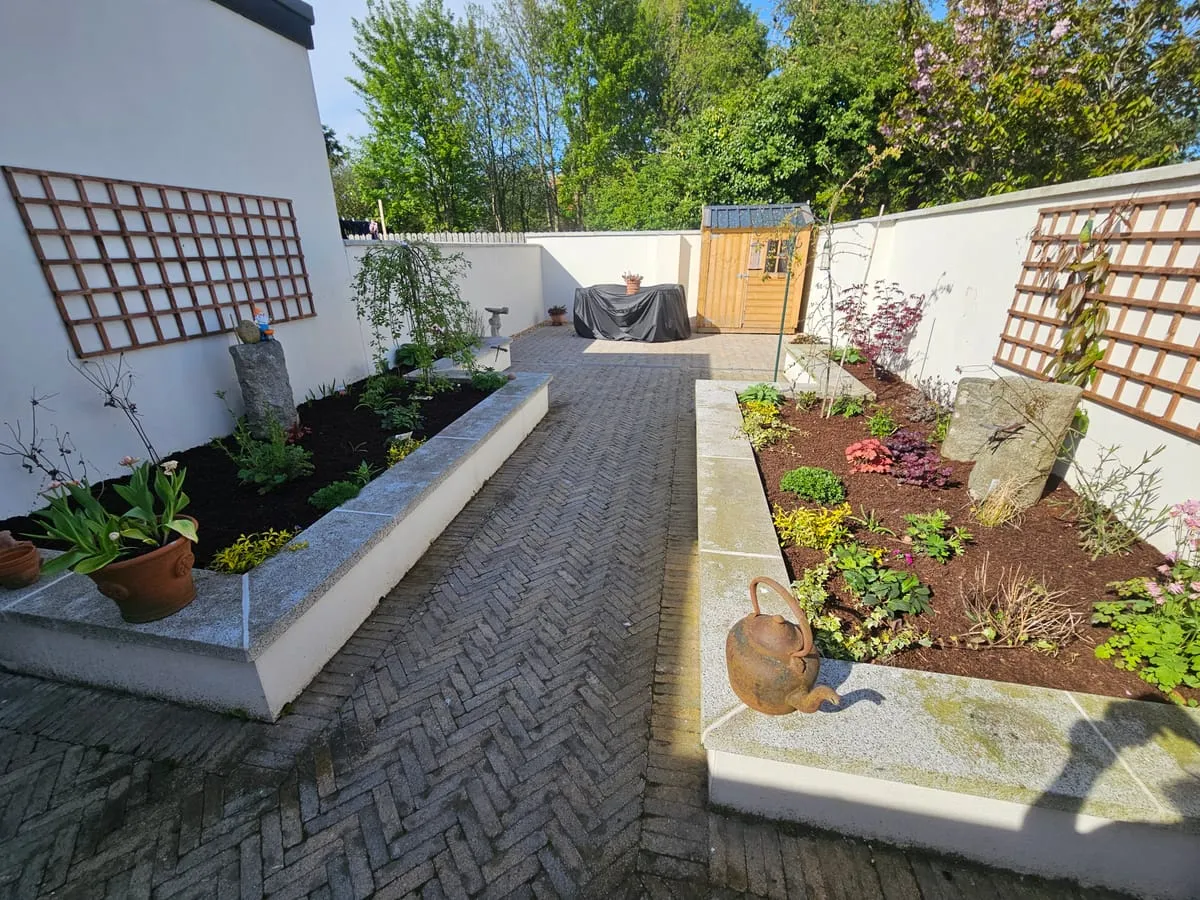
You do not need a big garden to make good compost. A back yard in Dundalk, a small patio in Blackrock, even a balcony in town can all turn kitchen scraps and grass clippings into something useful for your beds and pots. The trick is matching the system to the space you actually have.
Since the brown bin rollout, every household has a way to deal with food waste. But composting at home still makes sense if you garden at all, because you get free soil improver out of it and you cut down what you put in the bin. This guide keeps it practical for a small Irish garden.
Why bother composting in a small garden
A bag of compost or soil improver from the garden centre is not cheap, and you end up buying it again every spring. If you make your own, you stop paying for it and you know exactly what went into it.
Home compost does three things for a small garden:
- Feeds the soil so plants in beds and containers grow better.
- Improves drainage in heavy clay, which a lot of gardens around Louth have.
- Holds moisture in summer so pots dry out more slowly.
You will not produce huge volumes from a small space, and that is fine. Even a steady trickle of compost makes a real difference to a few raised beds or a row of containers.
Choosing a system that fits your space
There is no single right way to compost. Pick the one that suits how much space you have and how much effort you want to put in.
A simple compost bin
The standard plastic “dalek” style bin is the easiest starting point if you have a corner of garden to spare. You add green kitchen scraps and garden waste, mix in some brown material, and let it work. It takes several months, but it needs very little from you.
Sit it on bare soil if you can, so worms and other creatures can get in from below. If it has to go on a hard surface, add a few spadefuls of garden soil to get things started.
Worm composting (wormery)
A wormery is brilliant for a small space or a yard with no soil. It is a tidy, contained system where composting worms eat your kitchen scraps and turn them into a rich, crumbly compost. It works indoors in a shed or utility, or outside in a sheltered spot.
Worms are happiest in mild conditions, so keep the bin out of direct summer sun and out of hard frost. Feed it vegetable peelings, coffee grounds and tea leaves, and avoid overloading it.
Bokashi for flats and small kitchens
Bokashi is a sealed bucket system that ferments food waste rather than rots it. Because it is closed and odour-free when managed properly, it suits a kitchen, a balcony or a tiny yard. It can handle some things a normal heap cannot, like small amounts of cooked food.
The catch is that bokashi gives you a fermented pre-compost, not finished compost. You then dig that into soil or add it to a normal compost bin to break down fully. If you have no garden at all, a neighbour with a heap or a local community garden will often take it.
Tumbler bins
A tumbler is a barrel you turn by hand to mix the contents. The mixing speeds things up and keeps pests out because it is sealed and off the ground. They take up a fairly small footprint and suit a patio. They cost more than a basic bin, so they are worth it mainly if you want compost faster.
Managing kitchen waste
What goes in
These break down well in a home system:
- Vegetable and fruit peelings
- Tea leaves and coffee grounds
- Crushed eggshells
- Garden waste like grass clippings and soft prunings
What to keep out
Leave these for the brown bin instead, because they attract rats and flies or cause smells in a home heap:
- Cooked food, meat, fish and bones
- Dairy
- Pet waste
Bokashi is the exception, as it can take small amounts of cooked food and dairy because it ferments rather than rots.
Getting the balance right
Good compost needs a mix of “green” and “brown” material. Greens are wet and high in nitrogen: kitchen scraps and fresh grass clippings. Browns are dry and high in carbon: cardboard, shredded paper, dry leaves, egg boxes.
A common mistake in Irish gardens is too much green and not enough brown, which leaves you with a wet, smelly sludge. Keep a stash of torn-up cardboard or autumn leaves beside the bin and add a handful whenever you tip in kitchen waste.
Dealing with the Irish weather
Our weather is the main thing that trips up composting here. It is the wet more than the cold that causes trouble.
- Too wet and smelly: add more brown material and make sure the bin drains. A lid helps keep heavy rain out.
- Too dry: rare here, but if an indoor wormery or bokashi dries out, add a little water.
- Slow in winter: normal. Everything slows down in the cold and picks back up in spring. You do not need to do anything special.
A bin in a spot that gets a bit of shelter and some sun will do better than one fully exposed to driving rain.
Using the finished compost
You will know it is ready when it is dark, crumbly and smells earthy rather than sour. Sieve out any big bits that have not broken down and put them back in for another round.
Use it to:
- Mix into beds before planting to improve the soil.
- Top-dress containers and pots in spring.
- Blend with soil to make your own potting mix and cut down on shop-bought compost.
A 25 to 50mm layer worked into a bed once a year is plenty. You do not need to bury everything in it.
Let us take the garden waste off your hands
Composting deals with kitchen scraps and soft clippings, but a tidy-up or a bigger clearance often produces more green waste than a small home bin can swallow. That is where we come in.
Seamus and the team cover Dundalk and the surrounding Louth and Cooley area for grass cutting, garden clearances and ongoing maintenance, and we take the waste away. If your garden needs a clear-out before you get a composting system going, call us on 085 168 5170 or request a free quote at /#quote.
For more on keeping a healthy garden, see our garden maintenance services and our guide to organic lawn feeding.