Organic Lawn Care Services in County Louth
A practical guide to chemical-free lawn care in Ireland. How organic feeding, soil health and natural weed and moss control work in our climate and soil.
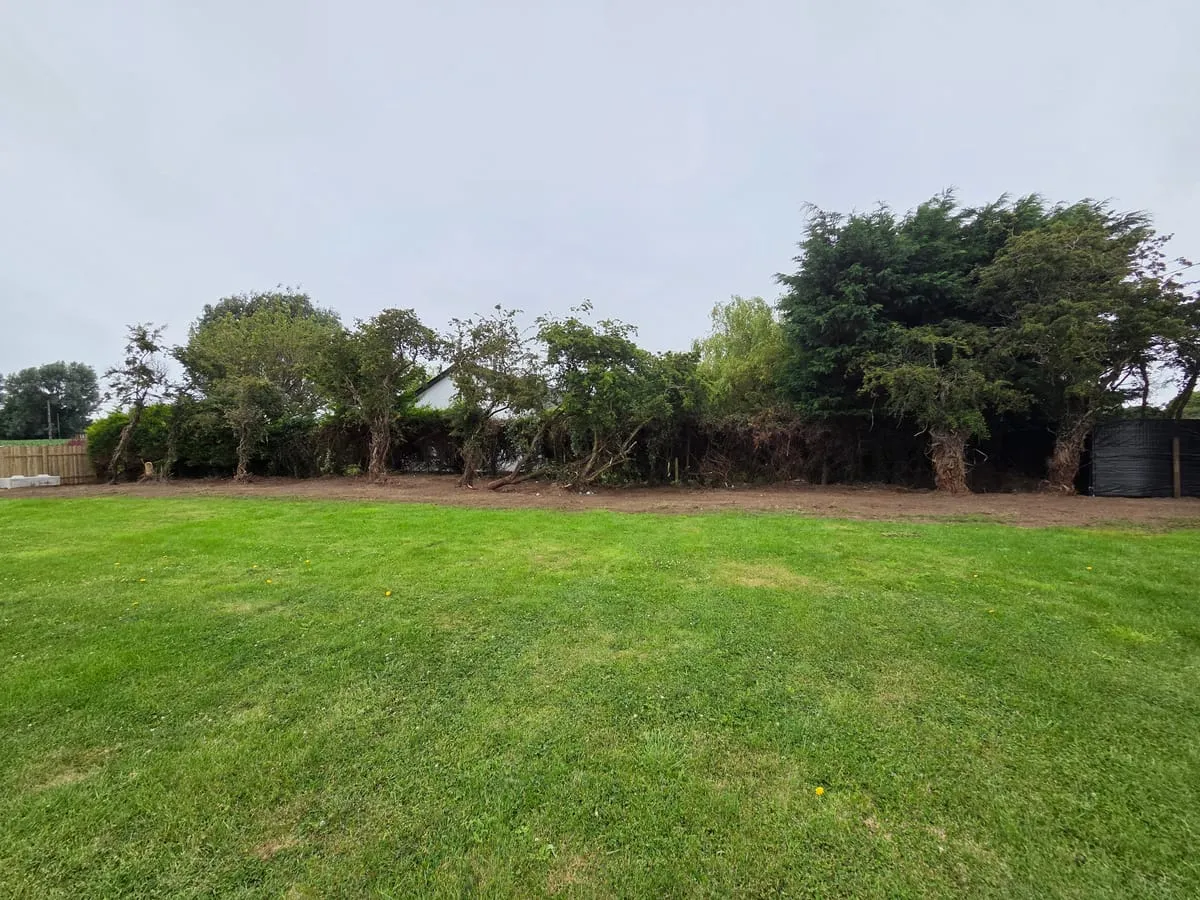
More and more people want a healthy lawn without reaching for synthetic chemicals every few weeks. That makes a lot of sense in Ireland. Our naturally acidic soils and damp climate actually suit an organic approach, which works with the soil rather than overriding it.
The idea behind organic lawn care is simple: feed the soil and the soil feeds the grass. Instead of forcing quick growth with chemical fertilisers, you build healthy soil that supports strong grass naturally. It is slower to show results, but the results last.
Feeding the soil, not just the grass
Conventional fertilisers give a quick green-up, then fade and need topping up again, which creates a cycle of constant feeding. Organic feeds work differently - they release slowly as soil organisms break them down, so the grass gets a steadier supply and the soil itself improves over time.
A few things make a real difference here:
- Organic fertiliser. Slow-release, far less likely to scorch the grass, and it adds organic matter that improves soil structure and helps it hold moisture. Irish soils are often low in organic matter because our high rainfall breaks it down quickly, so this matters.
- Compost. Top-dressing with a thin layer of fine compost feeds the soil life and adds organic matter at the same time. Making your own from garden and kitchen waste keeps it cheap.
- Lime, where needed. Irish soils tend towards acidic, and a soil test tells you whether lime is needed to bring the pH into a range grass is happy with. Test first rather than guessing - too much lime is worse than none.
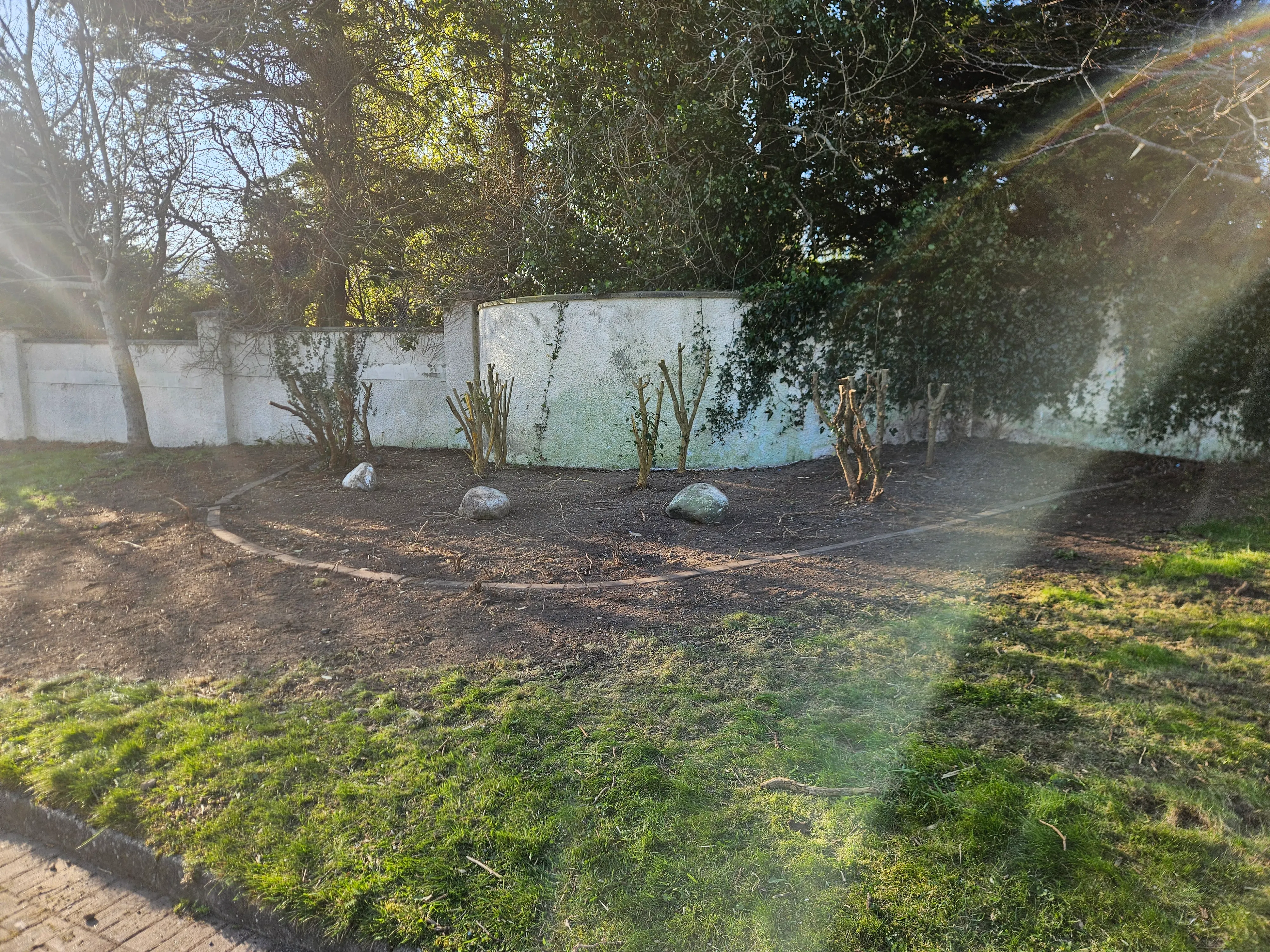
Natural pest, disease and weed control
The organic approach leans on prevention rather than spraying problems after they appear.
Healthy grass is the best defence. Dense, well-fed turf crowds out weeds before they can get established, and strong grass shrugs off most pests and diseases that pick on stressed lawns. Good watering and the right cutting height keep the grass from getting stressed in the first place.
Mowing height matters. Cutting too short weakens the grass and opens gaps for weeds and moss. Leaving it a little longer keeps the lawn thicker and more competitive.
Clover earns its place. A bit of clover in the lawn fixes nitrogen from the air, feeding the grass naturally, and it supports bees and other beneficial insects too.
For weeds, dense grass plus hand-weeding the worst offenders does most of the job. Overseeding thin patches fills the gaps before weeds can.
For moss, which is the constant battle in our damp climate, the long-term answer is better drainage, aeration and reducing shade rather than just killing it off each year. Some organic lawn products contain bacteria that break moss down into feed, which is a tidy fit for an organic programme.
Working with the Irish seasons
Timing organic treatments around our weather and the grass’s natural growth gives the best results.
- Spring. Start with a soil test if you have not done one, then add organic matter and a slow-release feed to get the grass going. Overseed thin areas, and consider mixing in a little clover.
- Summer. Keep feeding gently and watering deeply but less often to encourage deep roots. Stick to a sensible cutting height and let air move through the lawn to keep disease down.
- Autumn. Work in organic matter and feed the roots ahead of winter. Compost or mulch fallen leaves rather than binning them, and keep the soil covered through the wet months.
Professional programme or do it yourself?
Both work; it comes down to time and confidence.
Doing it yourself keeps costs down and is very doable with a bit of reading and consistency. A soil test, a quality organic feed, a compost heap and a regular routine will get you a long way. The main thing is sticking with it, because organic care rewards patience.
A professional programme takes the guesswork out - the timing, the testing and the application all get handled, and a trained eye picks up problems early. That suits people who want the results without the learning curve or the weekly commitment.
Want chemical-free lawn care done for you?
If you would like an organic, chemical-free approach to your lawn without taking it all on yourself, Seamus and the team cover Dundalk and the surrounding Louth and Cooley area, and we are happy to work the way you prefer.
Call 085 168 5170 or request a free quote.