When to Plant Hedging Ireland: Complete Seasonal Guide and Best Practices
Master hedge planting timing in Ireland with expert guidance on bare root vs container plants, soil preparation, and establishment success for thriving Irish hedgerows.
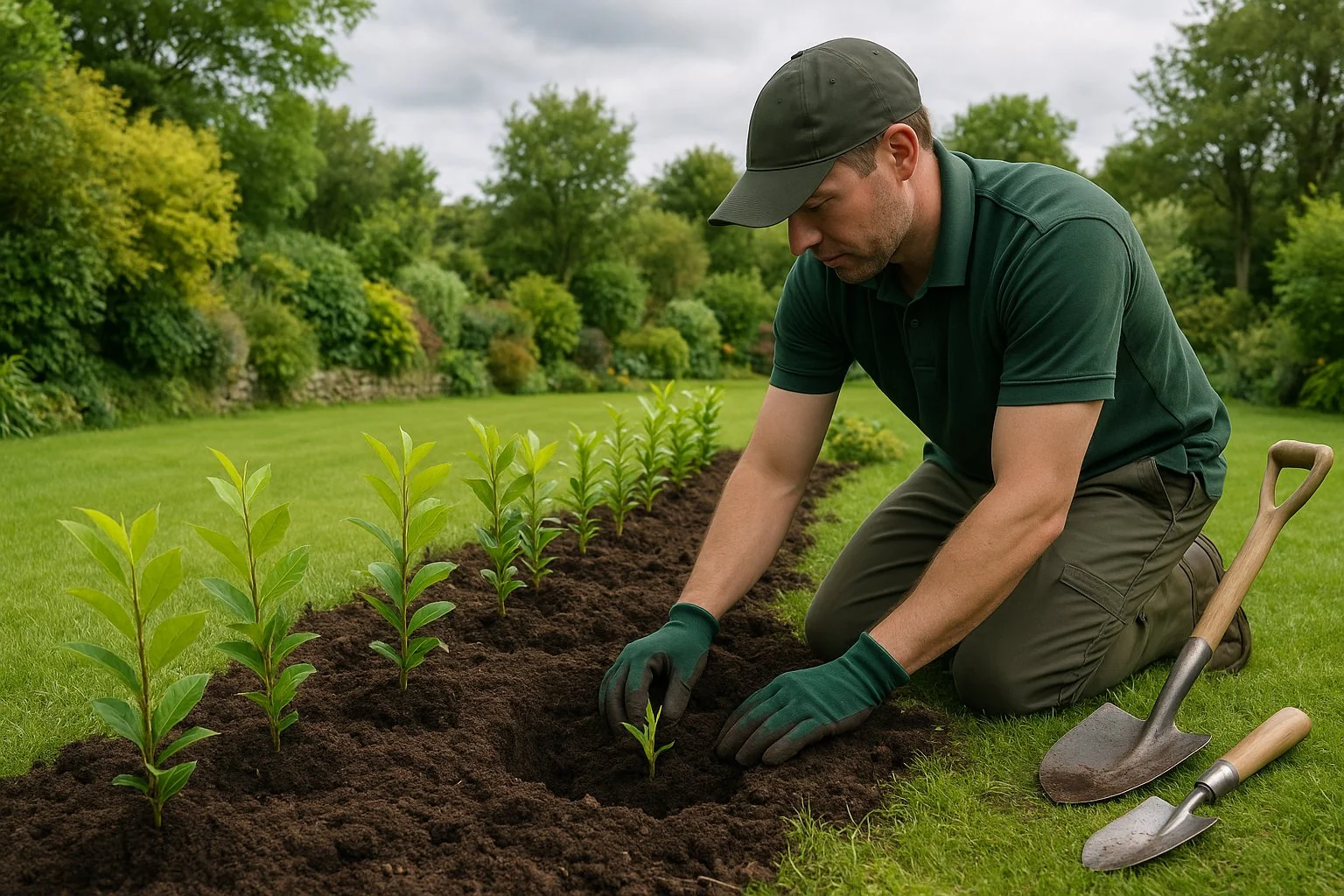
Proper hedge planting timing transforms struggling garden investments into thriving natural barriers that provide privacy, wildlife habitat, and beauty for decades. Ireland’s unique climate creates specific opportunities and challenges that require understanding for successful long-term hedge establishment.
But here’s what many Irish gardeners get wrong—rushing into hedge planting without considering seasonal timing, soil conditions, and plant type differences. Planting at inappropriate times or in unsuitable conditions creates expensive failures that require complete replanting and years of delayed results.
Ireland’s maritime climate offers distinct advantages for hedge establishment while requiring adapted timing strategies. Our mild winters support dormant season planting that would be impossible in harsher climates, while abundant rainfall eliminates irrigation concerns that complicate establishment elsewhere.
Successful hedge planting combines optimal timing with proper site preparation and appropriate plant selection. When done correctly, hedges establish quickly with minimal ongoing care while providing immediate impact that grows more impressive with each passing year throughout County Louth.

Understanding Irish Hedge Planting Seasons
Ireland’s maritime climate creates unique opportunities for hedge establishment while requiring understanding of seasonal patterns that differ from continental European conditions.
The Dormant Season Advantage
Dormant season planting between November and March provides optimal conditions for hedge establishment while taking advantage of Ireland’s mild winter temperatures that rarely damage tender root systems.
Root development focus during dormancy directs all plant energy toward establishing extensive root systems while avoiding the stress of supporting active top growth during challenging establishment periods.
Moisture availability remains consistent throughout Irish winters while eliminating irrigation concerns that complicate establishment during drier seasons when water management becomes critical for success.
Temperature stability prevents extreme cold damage while maintaining soil conditions suitable for root activity throughout most winter periods when continental climates freeze solid.
Reduced stress conditions allow plants to establish gradually while avoiding heat stress, drought pressure, and active growth demands that compete with root development during establishment.
Extended establishment period provides months for root development while ensuring strong foundation before spring growth begins demanding increased water and nutrient uptake from developing root systems.
Cost advantages include lower plant prices while taking advantage of bare root availability that provides superior value compared to container plants requiring year-round production costs.
Professional availability increases during dormant seasons while enabling access to specialized services and advice when demand remains lower than peak planting periods.
Bare Root vs. Container Timing
Bare root hedging requires dormant season planting between November and March while providing cost-effective establishment that takes advantage of natural plant dormancy cycles for optimal results.
Bare root advantages include lower costs while offering superior root systems without circling or binding that affects container plants. Fresh root systems establish more readily in new soil conditions.
Container plant flexibility allows year-round planting while providing immediate availability and reducing timing constraints that affect project scheduling and garden development plans.
Container disadvantages include higher costs while potentially featuring restricted root systems that require careful handling during establishment to prevent ongoing growth problems.
Seasonal quality varies between plant types while bare root plants remain available only during dormancy periods but offer peak quality when properly handled and planted promptly.
Storage requirements differ significantly while bare root plants demand immediate planting or proper storage while container plants provide flexibility for extended storage before installation.
Establishment success rates favor bare root planting during optimal timing while container plants may struggle during challenging seasons despite year-round availability.
Professional recommendations emphasize bare root timing while utilizing container plants only when timing constraints prevent optimal dormant season installation.
Weather Pattern Considerations
Soil condition assessment becomes critical while avoiding planting during frozen, waterlogged, or otherwise unsuitable soil conditions that interfere with proper installation and establishment.
Frost timing requires attention while ensuring planting occurs during frost-free periods when soil remains workable and plants can be handled safely without damage to tender tissues.
Rainfall patterns affect soil moisture while coordinating planting with adequate drainage periods that allow proper installation without creating waterlogged conditions harmful to establishment.
Wind exposure considerations protect newly planted hedges while ensuring installation occurs during calm periods when plants can be positioned properly without weather interference.
Temperature stability ensures appropriate conditions while avoiding extreme weather periods that stress newly planted hedges during vulnerable establishment phases requiring stable conditions.
Seasonal transition timing takes advantage of optimal periods while coordinating planting with natural seasonal changes that support rather than stress establishing plants.
Weather forecast planning prevents installation during predicted adverse conditions while ensuring adequate time for proper planting and initial establishment care before challenging weather.
Professional consultation provides local expertise while ensuring appropriate timing decisions based on regional weather patterns and specific site conditions affecting establishment success.
Regional Variations Across Ireland
Coastal areas benefit from maritime influence while providing extended planting seasons and moderated temperatures that support establishment throughout longer favorable periods.
Inland locations experience greater temperature variation while requiring more precise timing that accounts for potential frost periods and seasonal temperature swings affecting establishment.
Northern counties typically require earlier planting while accommodating shorter favorable seasons and cooler conditions that affect optimal timing for successful establishment.
Southern regions often support extended planting periods while providing milder conditions that offer flexibility in timing decisions and establishment scheduling.
Urban microclimates create warmer conditions while extending favorable planting periods and providing protection from extreme weather that benefits hedge establishment.
Elevation differences affect local climate conditions while requiring timing adjustments for temperature variations and exposure levels that influence establishment success.
Local knowledge proves invaluable while consulting with regional experts and experienced gardeners who understand specific area conditions affecting optimal hedge planting timing.

Site Preparation and Soil Requirements
Successful hedge establishment begins with thorough site preparation that addresses Ireland’s specific soil challenges while creating optimal growing conditions.
Irish Soil Characteristics and Challenges
Clay soil predominance throughout much of Ireland creates drainage challenges while requiring specific preparation techniques that improve structure and prevent waterlogging problems.
Heavy soil density restricts root penetration while demanding cultivation and amendment that creates favorable conditions for establishing hedge root systems in challenging substrates.
Waterlogging susceptibility affects many Irish locations while requiring drainage improvement that prevents root rot and establishment failure during wet periods common throughout seasons.
Compaction problems result from traffic and machinery while requiring decompaction that restores soil structure and enables proper root development in previously damaged areas.
Acidic conditions common in high-rainfall areas affect nutrient availability while potentially requiring lime application that creates optimal pH conditions for selected hedge species.
Organic matter levels vary significantly while requiring assessment and possible amendment that provides nutrition and improves soil structure for optimal hedge establishment.
Nutrient availability depends on soil type while requiring testing and possible fertilization that ensures adequate nutrition for vigorous establishment and early growth.
Professional assessment provides expertise while ensuring appropriate site evaluation and preparation that addresses specific soil challenges affecting establishment success.
Drainage Improvement Techniques
French drain installation provides systematic drainage while creating permanent solutions for waterlogged areas that prevent successful hedge establishment in poorly drained locations.
Raised planting creates improved drainage while elevating root zones above problematic soil levels that cause establishment failure in challenging wet areas.
Organic matter incorporation improves soil structure while enhancing drainage in clay soils and water retention in sandy conditions through improved soil physical properties.
Sand addition lightens heavy clay while improving drainage characteristics when properly incorporated with organic matter to prevent creating impermeable layers.
Cultivation depth breaks compacted layers while ensuring adequate soil preparation that enables root penetration and development in previously restricted growing environments.
Slope modification redirects surface water while preventing accumulation in planting areas that could create waterlogged conditions harmful to establishment.
Professional drainage systems provide comprehensive solutions while ensuring appropriate design and installation for severe drainage problems requiring specialized expertise.
Maintenance planning includes ongoing drainage care while ensuring long-term effectiveness of drainage improvements throughout hedge establishment and maturity.
pH and Nutrient Management
Soil testing determines current conditions while providing scientific basis for amendment decisions that optimize growing conditions for selected hedge species.
pH adjustment using lime application corrects acidic conditions while creating neutral soil chemistry that supports optimal nutrient availability for most hedge species.
Nutrient assessment identifies deficiencies while guiding fertilization programs that provide essential elements for vigorous establishment and healthy growth.
Organic fertilizer incorporation provides slow-release nutrition while supporting soil biological activity that enhances long-term soil health and hedge performance.
Timing coordination ensures amendments integrate properly while allowing sufficient time for soil chemistry changes before planting activities begin.
Species-specific requirements guide amendment programs while ensuring soil conditions match particular hedge species needs for optimal establishment and growth.
Professional consultation provides expertise while ensuring appropriate soil preparation that addresses specific site conditions and hedge species requirements.
Monitoring protocols track soil condition changes while guiding ongoing management that maintains optimal growing conditions throughout hedge establishment and development.
Weed Control and Site Clearance
Systematic weed removal eliminates competition while ensuring hedge plants receive full benefit of available water and nutrients during critical establishment periods.
Herbicide application may be necessary while using appropriate products that eliminate established vegetation without creating residue problems for subsequent planting.
Mechanical cultivation removes weed root systems while preparing clean planting areas that prevent competition during establishment when hedge plants remain vulnerable.
Mulching strategies suppress weed regrowth while conserving moisture and moderating soil temperature throughout establishment periods requiring consistent growing conditions.
Maintenance planning includes ongoing weed control while ensuring establishment areas remain weed-free for 2-3 years until hedges develop sufficient size to suppress competition naturally.
Organic approaches avoid chemical usage while utilizing cultivation, mulching, and other non-chemical methods that effectively control weeds throughout establishment.
Professional weed control provides expertise while ensuring effective elimination of problematic vegetation using appropriate methods for specific weed species and site conditions.
Long-term planning prevents weed reestablishment while implementing management strategies that maintain weed control throughout hedge development and maturity.
Hedge Species Selection and Timing
Different hedge species require specific timing while understanding species characteristics ensures optimal planting decisions for long-term success.
Native Irish Species Timing
Hawthorn planting succeeds throughout dormant season while providing reliable establishment that takes advantage of this hardy native’s adaptation to Irish conditions.
Blackthorn establishment benefits from early dormant season planting while enabling root development before spring flowering demands that require established root systems for support.
Beech hedging requires careful timing while benefiting from autumn planting that provides extended establishment period before spring leaf emergence creates increased water demands.
Holly establishment succeeds throughout dormant periods while this slow-growing evergreen benefits from maximum establishment time before facing growth season demands.
Yew planting timing remains flexible throughout dormancy while this slow-establishing species requires extended periods for root development before active growth begins.
Elder establishment occurs easily throughout dormant season while this vigorous species establishes rapidly given appropriate timing and site conditions.
Hazel planting succeeds with autumn timing while enabling establishment before spring catkin development that benefits from established root systems.
Professional native species consultation ensures optimal timing while providing expertise for species-specific requirements that maximize establishment success.
Evergreen Species Considerations
Evergreen establishment requires special attention while understanding that these species maintain active metabolism throughout winter periods requiring different timing approaches.
Late autumn timing often proves optimal while providing establishment period before winter stress while avoiding extreme cold that could damage evergreen foliage.
Container plant advantages benefit evergreens while providing flexibility that accommodates timing requirements for species sensitive to transplant timing.
Protection requirements may be necessary while ensuring adequate shelter for tender evergreens during establishment periods when root systems remain limited.
Species selection affects timing while choosing hardy evergreens adapted to Irish conditions reduces timing constraints and establishment challenges.
Watering attention becomes critical while ensuring adequate moisture for evergreens that continue losing water through foliage throughout winter periods.
Professional guidance provides expertise while ensuring appropriate timing and care for evergreen species requiring specialized establishment approaches.
Microclimate considerations affect evergreen timing while positioning plants in protected locations that support establishment during challenging winter conditions.
Deciduous Species Strategies
Deciduous advantage includes complete dormancy while enabling flexible timing throughout dormant season when plants remain completely inactive and less susceptible to transplant shock.
Autumn timing provides maximum establishment while utilizing warm soil conditions that support root development before complete winter dormancy begins.
Late winter planting offers advantages while taking advantage of soil warming that begins root activity before bud break demands increased water uptake.
Bare root optimization favors deciduous species while providing cost advantages and superior establishment when planted during optimal dormant season timing.
Species-specific timing accommodates different deciduous species while understanding that flowering and fruiting species may benefit from particular timing approaches.
Growth pattern consideration affects timing while understanding vigorous species establish rapidly while slower species require maximum establishment time.
Professional deciduous expertise ensures optimal timing while providing species-specific guidance that maximizes establishment success for different deciduous hedge options.
Seasonal coordination combines deciduous timing with site preparation while ensuring all factors align for optimal establishment conditions and long-term success.
Mixed Hedge Timing Strategies
Species compatibility requires coordinated timing while ensuring all hedge components receive optimal planting conditions despite varying species requirements.
Staged planting accommodates different requirements while installing species during their optimal timing periods rather than compromising with unsuitable timing for some components.
Establishment coordination ensures uniform development while managing different species establishment rates and requirements throughout mixed hedge development.
Design consideration affects timing while understanding that mixed hedges require planning that accommodates diverse species needs and establishment patterns.
Professional mixed hedge planning provides expertise while ensuring successful coordination of multiple species with varying timing and establishment requirements.
Maintenance coordination adapts care programs while accommodating different species needs throughout establishment and development periods.
Long-term planning considers species interactions while ensuring compatible growth rates and maintenance requirements throughout hedge maturity.
Success monitoring tracks mixed hedge establishment while identifying species-specific needs and adjusting care programs for optimal overall hedge development.

Planting Techniques and Best Practices
Proper installation techniques ensure successful establishment while maximizing investment in hedge plantings through appropriate methods and care.
Proper Planting Depth and Spacing
Planting depth maintains original soil level while avoiding burial that causes crown rot or shallow planting that exposes roots to drying and temperature stress.
Root position ensures natural spread while avoiding circling or bending that creates long-term growth problems affecting hedge development and stability.
Spacing calculation provides adequate room while accounting for mature size and growth patterns that prevent overcrowding and ensure proper development.
Single row spacing typically ranges 30-50cm apart while providing adequate room for individual plant development without creating gaps that affect hedge continuity.
Double row advantages create dense hedges while staggering plants in offset rows that maximize coverage and provide superior screening and wildlife value.
Container plant spacing accommodates root ball size while ensuring adequate room for establishment without competition that affects early development.
Bare root spacing utilizes closer placement while taking advantage of reduced establishment space requirements for plants without container restrictions.
Professional spacing expertise ensures optimal density while providing guidance for specific species and hedge objectives that affect appropriate spacing decisions.
Root System Preparation
Bare root soaking improves establishment while ensuring adequate hydration before planting that supports immediate root activity and reduces transplant shock.
Root inspection identifies damage while removing broken or circling roots that could affect establishment and long-term growth patterns.
Container root preparation includes loosening while ensuring bound roots receive appropriate treatment that promotes outward growth into surrounding soil.
Mycorrhizal treatment enhances establishment while introducing beneficial fungi that improve root function and nutrient uptake throughout establishment periods.
Root hormone application may benefit establishment while providing chemical assistance that encourages rapid root development in new soil conditions.
Handling care prevents damage while ensuring proper root system protection during transport and installation that maintains root system integrity.
Professional root preparation ensures optimal treatment while providing expertise for species-specific requirements that maximize establishment success.
Timing coordination ensures root preparation occurs immediately before planting while preventing delays that could stress prepared root systems.
Installation Process and Quality Control
Hole preparation creates optimal planting conditions while ensuring adequate size and soil preparation that supports rapid establishment and development.
Backfill composition uses appropriate soil mixture while ensuring drainage and nutrition that support root establishment without creating problems.
Watering technique provides adequate moisture while ensuring thorough soil contact with roots that eliminates air pockets interfering with establishment.
Firming ensures stability while avoiding excessive compaction that restricts root growth and water infiltration essential for establishment success.
Quality inspection identifies installation problems while ensuring proper depth, spacing, and soil contact that support successful establishment.
Protection installation includes staking or guards while providing support and protection during establishment periods when plants remain vulnerable.
Documentation records installation details while providing information for ongoing care and maintenance programs that support establishment success.
Professional installation expertise ensures optimal techniques while providing experience that maximizes establishment success through proper installation methods.
Immediate Post-Planting Care
Initial watering provides essential moisture while ensuring adequate hydration that supports immediate establishment and reduces transplant shock.
Mulch application conserves moisture while moderating soil temperature and suppressing weeds that compete with establishing hedge plants.
Protection measures may include wind barriers while providing shelter during establishment periods when root systems remain limited.
Monitoring establishes care routines while tracking plant response and identifying problems requiring attention during critical establishment periods.
Adjustment capabilities address problems while ensuring appropriate responses to establishment challenges that require immediate attention.
Weather response adapts care while providing protection and modified management during challenging weather conditions affecting establishment.
Professional guidance provides ongoing support while ensuring appropriate care decisions throughout establishment periods requiring specialized attention.
Documentation tracks care activities while building knowledge base that improves ongoing management and identifies successful practices.
Establishment Care and Long-Term Success
Systematic aftercare ensures successful establishment while supporting hedge development that achieves intended objectives and provides lasting value.
Watering and Moisture Management
Establishment watering requires consistent attention while providing adequate moisture for root development without creating waterlogged conditions harmful to establishment.
Irrigation scheduling adapts to weather patterns while ensuring adequate moisture during dry periods that stress establishing hedges requiring supplemental water.
Soil moisture monitoring prevents both drought stress and overwatering while maintaining optimal conditions for root development and establishment success.
Seasonal adjustment modifies watering while accounting for changing weather patterns and plant needs throughout establishment and early development periods.
Efficient techniques conserve water while ensuring adequate moisture reaches root zones rather than being lost to evaporation or surface runoff.
Natural rainfall utilization reduces irrigation requirements while taking advantage of Irish climate patterns that typically provide adequate moisture for establishment.
Professional irrigation advice ensures appropriate watering while providing expertise for specific site conditions and species requirements affecting moisture needs.
Drought protection strategies provide backup while ensuring adequate moisture during occasional dry periods that could stress establishing hedges.
Fertilization and Nutrition Programs
Establishment fertilization supports vigorous growth while providing balanced nutrition that promotes root development and early establishment without encouraging weak growth.
Slow-release fertilizers provide sustained nutrition while avoiding rapid growth that could stress establishing plants or encourage weak development vulnerable to environmental stress.
Organic fertilizer benefits include soil improvement while supporting beneficial soil organisms that enhance long-term soil health and plant performance.
Timing coordination ensures nutrition availability while providing nutrients when plants can utilize them effectively for establishment and development.
Species-specific nutrition addresses particular requirements while ensuring appropriate fertilization for different hedge species and their specific nutritional needs.
Soil testing guides fertilization while ensuring appropriate nutrition based on soil conditions and species requirements rather than generic application rates.
Professional nutrition consultation provides expertise while ensuring appropriate fertilization programs that support establishment without creating problems.
Monitoring nutrition response tracks plant development while identifying nutritional needs and adjusting programs for optimal establishment and growth.
Weed Control During Establishment
Systematic weed control eliminates competition while ensuring hedge plants receive full benefit of available resources during critical establishment periods.
Mulching provides ongoing suppression while conserving moisture and moderating soil temperature throughout establishment periods requiring stable conditions.
Cultivation techniques remove weeds while avoiding damage to establishing hedge root systems that remain shallow and vulnerable during early development.
Herbicide options may be necessary while using appropriate products that control weeds without damaging hedge plants during establishment.
Maintenance scheduling ensures consistent weed control while preventing competition that could affect establishment success and early development.
Professional weed management provides expertise while ensuring effective control using appropriate methods for specific site conditions and hedge species.
Organic approaches avoid chemicals while utilizing mechanical and cultural methods that effectively control weeds throughout establishment periods.
Long-term planning prevents weed problems while implementing strategies that maintain weed control as hedges develop sufficient size to suppress competition naturally.
Pruning and Early Development
Initial pruning establishes hedge form while encouraging dense growth that creates effective screening and attractive appearance throughout development.
Timing considerations ensure appropriate pruning while understanding species-specific requirements for establishment pruning that supports rather than stresses developing plants.
Technique selection uses appropriate methods while ensuring cuts promote desired growth patterns and hedge form development.
Gradual development builds hedge density while avoiding excessive pruning that could stress establishing plants during vulnerable development periods.
Species-specific approaches accommodate different growth patterns while ensuring appropriate pruning for various hedge species and their particular development characteristics.
Professional pruning guidance ensures optimal techniques while providing expertise for complex pruning decisions affecting hedge development and form.
Tool selection uses appropriate equipment while ensuring clean cuts that heal properly and promote healthy development throughout establishment periods.
Monitoring response tracks hedge development while identifying successful techniques and adjusting approaches for optimal development and form.
Common Problems and Solutions
Understanding typical establishment challenges helps prevent problems while providing effective solutions when difficulties arise during hedge development.
Poor Establishment Diagnosis
Growth failure identification requires systematic assessment while determining whether problems result from planting technique, timing, site conditions, or plant quality issues.
Root system evaluation examines establishment progress while identifying root development problems that affect plant establishment and early growth.
Environmental stress assessment considers site conditions while determining whether weather, soil, or other environmental factors contribute to establishment problems.
Plant quality evaluation examines original plant condition while determining whether poor establishment results from inferior plant material or installation problems.
Care program review assesses maintenance while determining whether inadequate watering, fertilization, or other care factors contribute to establishment failure.
Professional diagnosis provides expertise while ensuring accurate problem identification that guides appropriate corrective action for establishment problems.
Corrective action planning addresses identified problems while implementing solutions that restore establishment and support successful hedge development.
Prevention strategies avoid recurring problems while implementing management changes that prevent similar establishment failures in future planting projects.
Seasonal Stress Management
Winter protection provides shelter while protecting tender species during challenging weather conditions that could damage establishing hedges.
Summer stress prevention includes adequate watering while providing protection during hot, dry periods that stress establishing plants with limited root systems.
Wind protection reduces stress while providing shelter during establishment periods when plants remain vulnerable to wind damage and desiccation.
Temperature extremes require protection while providing appropriate shelter during unusual weather conditions that exceed normal establishment challenges.
Recovery strategies address stress damage while implementing care programs that support recovery and continued establishment following challenging conditions.
Professional stress management provides expertise while ensuring appropriate protection and care during challenging conditions affecting establishment success.
Microclimate modification creates favorable conditions while using techniques that improve growing conditions for establishing hedges in challenging locations.
Adaptation strategies adjust care programs while modifying management approaches for challenging site conditions that affect establishment and development.
Pest and Disease Issues
Common problems include establishment pests while requiring identification and control of insects and other pests that damage establishing hedge plants.
Disease prevention emphasizes good cultural practices while avoiding conditions that encourage fungal and bacterial problems during vulnerable establishment periods.
Integrated management combines cultural practices while using biological and chemical controls appropriately to protect establishing hedges without environmental damage.
Professional consultation provides expertise while ensuring appropriate identification and treatment of pest and disease problems affecting establishment.
Prevention strategies avoid problems while implementing management practices that discourage pest and disease establishment during vulnerable hedge development periods.
Monitoring protocols identify problems early while enabling prompt treatment that prevents serious damage to establishing hedge plants.
Treatment timing ensures effectiveness while applying controls when they provide maximum benefit for protecting establishing hedges.
Recovery support helps damaged plants while providing enhanced care that supports recovery and continued establishment following pest or disease damage.
Long-Term Management Planning
Maintenance scheduling establishes routines while ensuring ongoing care that supports hedge development and maintains investment in hedge establishment.
Professional service coordination provides expert care while ensuring appropriate ongoing management by qualified professionals familiar with hedge requirements.
Renovation planning anticipates future needs while preparing for eventual hedge renovation or replacement that maintains landscape function and appearance.
Species replacement addresses failures while planning replacement of failed plants that maintain hedge continuity and appearance.
Improvement opportunities identify enhancements while planning modifications that improve hedge performance and address changing needs over time.
Documentation maintains records while tracking hedge performance and care history that guides ongoing management decisions and future planning.
Cost planning budgets ongoing care while ensuring adequate resources for maintenance that preserves hedge investment and performance throughout maturity.
Success evaluation measures achievement while assessing hedge performance against original objectives and identifying areas for improvement in future projects.
Successful hedge planting transforms Irish gardens into private sanctuaries that provide beauty, wildlife habitat, and property value enhancement for generations when established with proper timing and care.
Professional hedge installation services ensure expert planting using optimal timing and techniques for long-term success. For comprehensive hedge care that includes establishment and ongoing maintenance, experienced providers offer specialized knowledge.
Consider hedge timing as part of complete garden planning that coordinates all landscape elements for maximum impact and sustainability. Professional consultation ensures optimal timing and species selection throughout County Louth’s diverse growing conditions.