Top Dressing Lawns in Ireland: Complete Guide to Soil Improvement
A practical guide to top dressing lawns in Ireland. Materials, timing and technique for better drainage and healthier grass on heavy Irish soil.
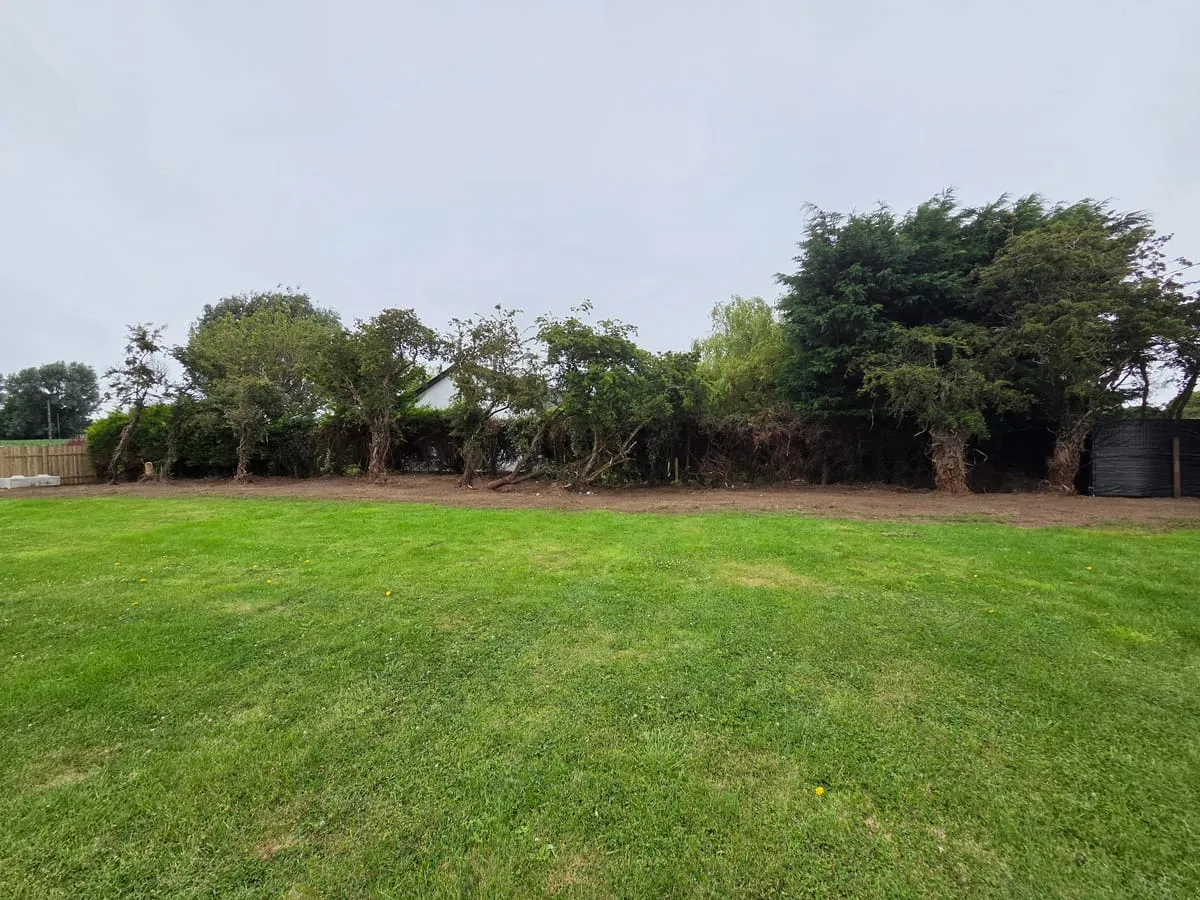
Top dressing means spreading a thin layer of soil mix over your existing lawn. It sounds odd, but done over a few seasons it gradually improves the soil underneath, smooths out bumps and hollows, and helps water drain instead of sitting on top. On the heavy, clay-leaning soil common around Louth, that drainage improvement is the main reason to bother.
This guide covers what to use, when to do it, and how to spread it without smothering the grass.
Why bother on Irish lawns
A lot of lawns here sit on clay that holds water. Add a wet winter and foot traffic, and the ground gets compacted and waterlogged. That leads to:
- Puddles and soggy patches that linger after rain.
- Moss moving in, because it loves the damp.
- Grass struggling to root properly in tight, airless soil.
Top dressing tackles this slowly from the top down. The sand in the mix opens up the soil so water can move through it, and the organic matter feeds the grass and improves structure. It is not an instant fix, but applied over a couple of seasons it makes a real difference.
What to use
The standard top dressing mix is mostly sharp sand with some quality topsoil and a bit of compost. A common blend is roughly 70 percent sharp sand to 30 percent loam topsoil, with a little compost worked in.
A few things worth knowing:
- Use sharp sand, not builder’s sand or beach sand. Sharp sand has angular grains that keep the soil open. Builder’s and beach sand can contain salt or fine particles that do the opposite, and beach sand is a no.
- Never use sand on its own over clay. On its own it can cap and make drainage worse. It needs the soil and organic matter alongside it.
- Use clean, weed-free topsoil and well-rotted compost. Fresh manure or rough compost just imports weeds and can scorch the grass.
If mixing your own is a hassle, garden suppliers sell ready-blended lawn top dressing, which takes the guesswork out.
When to do it
The two good windows are the same as for most lawn renovation here:
- Autumn (late August to October). The soil is still warm, there is plenty of natural moisture, and the grass has time to settle before winter. This is the prime window, especially if you are overseeding at the same time.
- Spring (March to May). Warming up, growing well, and a long season ahead for the grass to respond.
Avoid doing it in drought, in a soggy spell, or right before heavy rain that would wash the mix around. You want settled weather and a lawn that is actively growing.
How to apply it
- Mow first, a bit shorter than usual, so the dressing can reach soil level.
- Aerate and scarify if needed. Spiking or hollow-tining the lawn first lets the dressing work down into the holes, which is where most of the benefit comes from. If there is heavy thatch, scarify it out beforehand.
- Spread it thin. This is the key rule: keep the layer thin, no more than a few millimetres, so you are never burying the grass. You should still see plenty of green poking through.
- Work it in. Brush or rake the dressing down between the grass blades and into any aeration holes. The back of a rake or a stiff brush does the job on a normal garden.
- Overseed if you like. Top dressing makes an excellent seedbed, so it pairs well with overseeding bare or thin areas.
The golden rule is little and often. A thin dressing once a year, built up over several seasons, beats one thick smothering layer that does more harm than good.
What to expect
You will not see a dramatic overnight change, and that is normal. Over a season or two you should notice:
- Water draining away faster, with fewer lingering puddles.
- A smoother, more even surface as hollows fill in.
- Thicker, healthier grass, and less moss as the ground dries out.
It is a long game, but it is one of the better things you can do for a struggling lawn on heavy soil.
Want a hand with it?
Top dressing, aerating and overseeding are a bit of work to do well, and timing them around the weather matters. We cover Dundalk and the wider Louth and Cooley area, so if you would rather have it looked after, call Seamus on 085 168 5170 or request a free quote.