Summer Drought Lawn Care Strategies for Irish Gardens
Keep your Irish lawn alive through a dry spell. Practical watering, grass choice and recovery advice for County Louth gardens when summer turns dry.
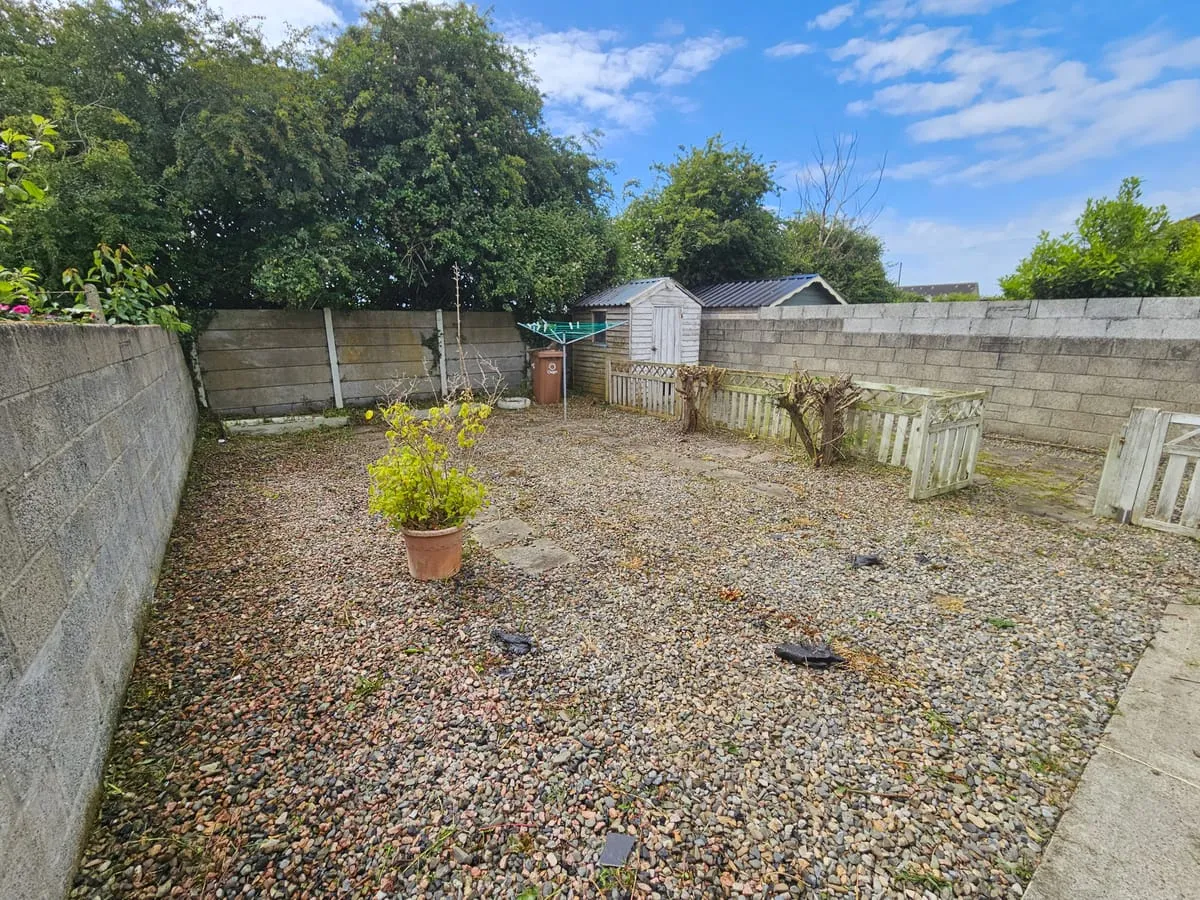
Your lawn is looking rough, isn’t it? What was lovely green grass has gone patchy and brown. Do not panic. Dry spells are rare in Ireland, but when they come they catch everyone off guard, and your grass most of all.
The strange thing about Irish summers is how fast we swing from constant rain to a proper dry spell. Grass that has spent its whole life expecting regular moisture suddenly does not know what has hit it. Here is how to help it through.
Is it actually drought stress?
Irish grass shows stress differently to grass in hot climates, so it helps to know the signs:
- Footprints that linger. Walk across the lawn and look back. Healthy grass springs straight up. Stressed grass keeps your footprints for a while.
- Dull, blue-ish colour. You will not get the dramatic brown of a Mediterranean lawn. Instead the grass looks tired and grey-green, as if the life has drained out of it.
- Folded or rolled blades. Grass curls its leaves to save moisture, which makes the lawn look thinner from a distance.
To judge whether it will recover, check the base of the plants. If the growing points are still green and flexible, the grass will bounce back. If they are brown and crispy, those plants are gone and that area will need reseeding later.
Watering that actually works
The goal is keeping the grass alive without emptying the water butt or running the hose all day.
The big mistake is little and often. Light daily sprinkles keep the roots shallow, which makes things worse. Instead, water deeply but less often. A good long soak once or twice a week trains the roots to grow down to where the moisture lasts.
A simple trick: stand a few empty tins on the lawn while you water. When they have collected a decent amount, you have given it enough.
When you water matters too:
- Early morning is best. The grass has all day to take it up, and less is lost to evaporation.
- Early evening works if mornings are impossible, but do not leave it too late. Grass sitting wet overnight in our damp air invites fungal disease.
- Never water in the heat of the day. Most of it evaporates before it does any good.
Tougher grass for drier spells
If your garden seems to dry out badly every summer, the grass itself may be worth rethinking rather than just fighting the conditions.
Fescues are the stars here. Fine fescue is naturally deeper-rooted than ryegrass and handles dry spells far better, though it does not bounce back from heavy use as fast - worth knowing if the kids play football on it. Sheep’s fescue grows wild on Irish hillsides, so it is built to survive on very little water. Newer ryegrass varieties bred for Irish conditions have improved on drought tolerance too.
When buying seed, look for mixes labelled for drought tolerance rather than a generic “Irish lawn” blend, and steer clear of the cheapest mixes bulked out with annual ryegrass, which dies off the first time it gets dry.
When a dry spell really bites
If the lawn is already badly stressed, focus your effort where it counts:
- Save the visible areas first. The front lawn and the main parts you actually use matter more than the edges and corners.
- Raise the cutting height. Longer grass shades the soil and slows evaporation. Set the mower high and leave it a bit shaggy until rain returns.
- Stop feeding. Fertiliser pushes growth the grass cannot support when it is stressed. Hold off until normal rain comes back.
- Take the weight off. Move furniture, toys and anything heavy that compacts the soil and stops water soaking in.
Building in resilience for next time
The best drought care happens long before the dry spell. Improve the soil during normal weather by working in compost when you overseed and top-dressing established lawns now and then. Sort out drainage too - oddly, soil that drains well in the wet also holds moisture better when it is dry, because the roots can reach deeper. Regular aeration helps the roots get down to where the moisture lasts.
The reassuring part is that drought-damaged lawns usually recover. What looks dead is often just dormant and will green up again with rain and a bit of care. Do not rush to dig the whole thing up unless the damage is genuinely severe. The trick is working with Irish conditions rather than against them, and accepting that the odd summer will test the lawn.
Need a hand keeping the lawn going?
Whether it is regular cutting at the right height through summer or sorting a tired, stressed lawn afterwards, Seamus and the team cover Dundalk and the surrounding Louth and Cooley area.
Call 085 168 5170 or request a free quote.