Storm Damage Garden Recovery: Restoration After Irish Weather
Complete guide to garden recovery after storm damage in Ireland. Learn assessment, cleanup, insurance claims, and restoration strategies for Irish gardens.
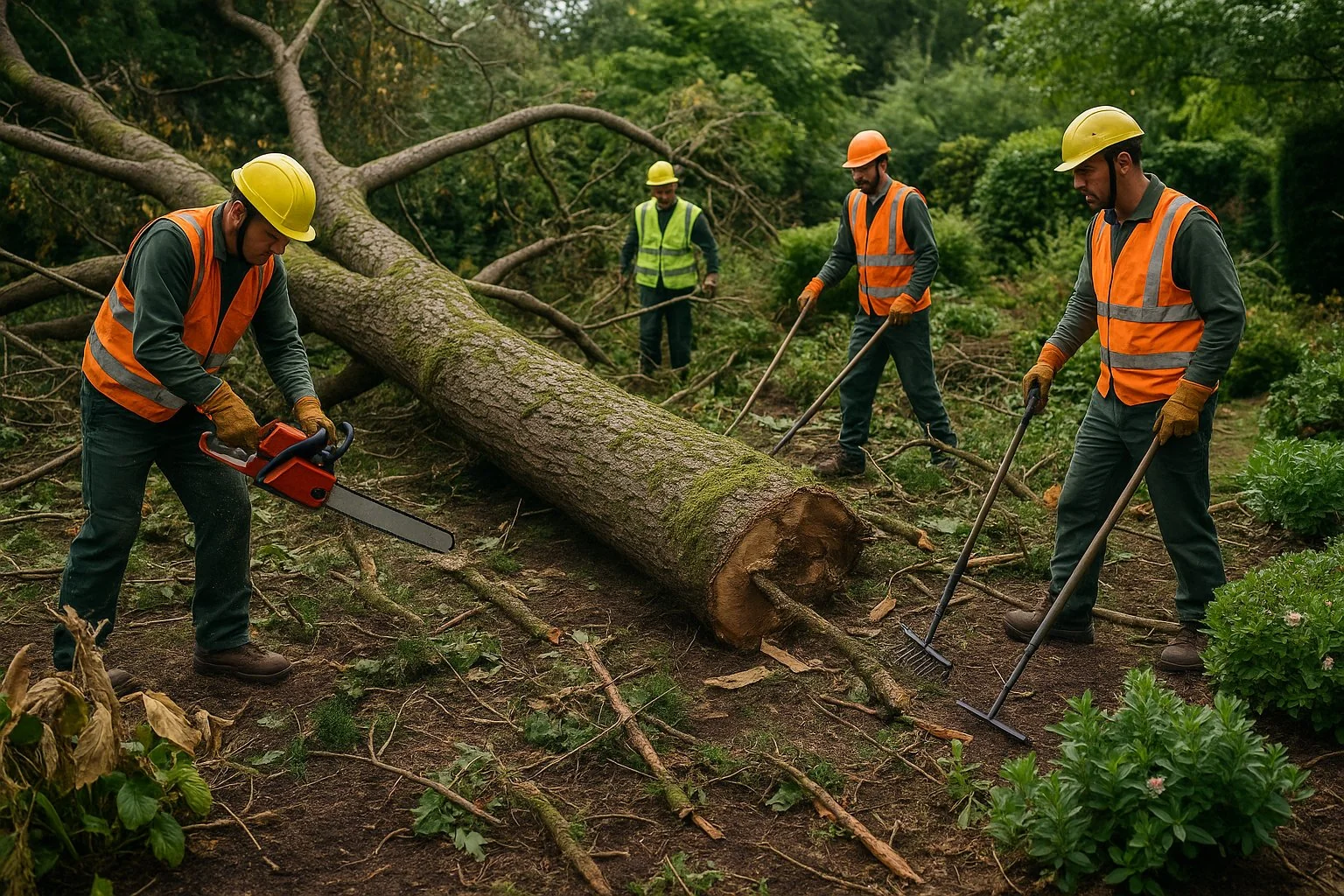
The storm’s passed, but your garden looks like a battlefield. Trees down, fences flattened, debris everywhere—and you’re standing there wondering where to even start. Take a breath. This isn’t the end of your garden, it’s just a very messy beginning to rebuilding it.
Irish storms are getting more frequent and more severe. What used to be once-in-a-decade events now seem to happen every few years. Understanding how to respond quickly and safely can save you thousands in damage costs and months of garden downtime.

Immediate Post-Storm Safety Assessment
Safety comes first, always. Your garden might look devastating, but hidden dangers pose much bigger risks than cosmetic damage. Don’t rush into cleanup without proper assessment.
Hazard Identification and Removal
Fallen trees touching power lines create lethal hazards that require immediate professional attention. Never attempt to move trees or debris that’s anywhere near electrical equipment. Call the ESB emergency number and stay well clear until professionals declare the area safe.
Unstable trees pose ongoing dangers even after storms pass. Look for split trunks, exposed roots, or trees leaning at unusual angles. These can fall without warning, especially if wind picks up again or rain saturates the soil further.
Structural damage to sheds, greenhouses, or boundary walls creates falling hazards and requires immediate assessment. Don’t enter damaged buildings or walk near unstable walls. Falling masonry and glass cause serious injuries.
Gas leaks can develop when trees fall on or near gas meters and pipelines. If you smell gas anywhere in your storm-damaged garden, evacuate immediately and call the emergency gas number. Don’t use electrical switches or anything that might create sparks.
Structural Damage Evaluation
Boundary walls and fencing might look intact but could have hidden damage that makes them dangerous. Check for cracks, loose stones, or foundation movement that could cause sudden collapse.
Garden buildings need thorough inspection before use. Roof damage, structural shifting, and damaged doors all create safety hazards that worsen if not addressed immediately after storms.
Hard landscaping like patios, steps, and retaining walls can suffer damage that’s not immediately obvious. Underground erosion and foundation movement often don’t show surface signs until they suddenly fail.
Utility Safety Considerations
Underground cables can be damaged by falling trees or shifting soil without any visible signs above ground. Before digging to clear debris or assess damage, contact utility companies to check for underground damage.
Water systems often suffer damage during storms. Broken irrigation lines, damaged water features, and compromised drainage systems can cause ongoing problems if not identified and isolated quickly.
Septic systems and drainage can be damaged by fallen trees or saturated soil conditions. Sewage contamination poses serious health risks that require professional assessment and cleanup.
Damage Assessment and Documentation
Proper assessment and documentation are crucial for insurance claims and repair planning. Rush this stage and you’ll face problems later when dealing with insurance companies and contractors.
Tree and Shrub Damage Evaluation
Categorize tree damage into three groups: definitely dead, probably salvageable, and needs professional assessment. Don’t attempt to save trees with major trunk damage or root exposure—they’re safety hazards and insurance liabilities.
Shrub damage often looks worse than it actually is. Many woody plants can recover from severe damage if the root system remains intact. Mark damaged plants for professional assessment rather than immediate removal.
Root damage is often the deciding factor in plant survival. Trees and large shrubs with extensive root exposure or damage rarely recover successfully and may become unstable even if they survive initially.
Hardscape and Structure Impacts
Document all damage with photographs before moving anything. Insurance companies need clear evidence of storm damage versus pre-existing problems. Time-stamped photos provide crucial evidence for claims.
Measure and record damage extent systematically. Simple sketches with measurements help contractors provide accurate quotes and ensure insurance assessments cover all damage properly.
Hidden damage often emerges days or weeks after storms. Keep detailed records of ongoing problems and get professional assessment for anything that doesn’t seem right, even if it looks minor initially.

Insurance Documentation Requirements
Contact your insurance company immediately, even if damage seems minor. Many policies have strict time limits for reporting storm damage, and late reporting can void coverage entirely.
Separate storm damage from routine maintenance needs clearly. Insurance covers sudden damage from covered perils but won’t pay for pre-existing problems or routine maintenance that storms revealed.
Professional assessment reports provide crucial evidence for insurance claims. Arborists, structural engineers, and landscaping professionals can provide the documentation insurance companies need for complex claims.
Recovery Services and Timelines
Recovery from major storm damage happens in phases, each with different timelines and requirements. Understanding this process helps set realistic expectations and avoid costly mistakes.
Emergency Debris Removal
Immediate debris removal focuses on safety and access rather than complete cleanup. Remove hazards first, then clear access routes, and save detailed cleanup for later phases.
Professional debris removal services have the equipment and disposal relationships to handle large volumes quickly and legally. DIY removal often creates disposal problems and safety risks that cost more than professional services.
Priority areas for immediate clearing include main access routes, utility areas, and anywhere debris creates ongoing safety hazards. Less critical areas can wait for systematic cleanup later.
Tree Surgery and Removal
Emergency tree work focuses on immediate safety hazards rather than cosmetic improvements. Dangerous trees need professional removal immediately, while borderline cases can wait for detailed assessment.
Crown reduction and deadwood removal can often save trees that initially look beyond hope. Professional arborists have techniques and equipment that can salvage valuable trees that seem completely damaged.
Stump removal timing depends on site access and future plans. Immediate removal provides clean slate for replanting but costs more than delayed removal when access is easier.
Replanting and Restoration Phases
Soil assessment often reveals problems that contributed to storm damage. Compacted soils, poor drainage, and inadequate soil depth all increase storm vulnerability and need addressing before replanting.
Plant selection for replacement should consider storm resistance and site exposure. Native species and wind-tolerant varieties provide better long-term storm resistance than exotic or tender plants.
Phased replanting spreads costs and allows for adjustments based on how initial plantings perform. Complete restoration immediately after storms often leads to expensive mistakes when conditions haven’t stabilized.
Prevention and Future Protection
Learning from storm damage helps prevent similar problems in future weather events. Most storm damage is predictable and preventable with proper planning and maintenance.
Wind-Resistant Plant Selection
Native Irish plants evolved with our climate and generally show better storm resistance than exotic species. Hawthorn, ash, and native oaks typically survive storms better than non-native alternatives.
Growth form affects wind resistance significantly. Multi-stemmed trees and shrubs bend rather than break in high winds, while single-trunk trees are more vulnerable to complete failure.
Planting density and location determine wind exposure. Sheltered locations and group plantings provide mutual protection that isolated specimens can’t achieve.
Structural Improvements
Drainage improvements reduce storm damage by preventing soil saturation that destabilizes trees and creates flooding problems. Investment in proper drainage pays dividends during severe weather.
Windbreaks and shelter belts protect vulnerable areas but need careful design to avoid creating wind tunnels or increasing turbulence that causes more damage than protection.
Underground utility protection prevents damage to cables and pipes that creates expensive repair bills and ongoing safety hazards after storms pass.

Working with Insurance Claims
Insurance claims for storm damage can be complex, and understanding the process helps ensure you receive fair compensation for legitimate damage.
Documentation Requirements
Maintain detailed records from initial damage through final restoration. Insurance companies often request additional documentation months after initial claims, so organized record-keeping is essential.
Professional reports from qualified assessors carry more weight than homeowner photos and estimates. Invest in proper professional assessment for significant damage even if it costs money upfront.
Separate immediate safety work from non-urgent repairs in documentation. Emergency work for safety reasons gets different treatment than cosmetic repairs in insurance processing.
Professional Assessment Reports
Qualified arborists can provide expert opinions on tree damage, salvage potential, and replacement requirements that insurance companies recognize and accept.
Structural engineers may be needed for hardscape damage, retaining wall problems, or building-related storm damage. Their reports provide legal protection and insurance credibility.
Landscape architects can document pre-storm conditions and design replacement schemes that restore property value while improving storm resistance for future events.
County Louth Storm Response
Local conditions in County Louth create specific storm response considerations that affect recovery planning and service availability.
Coastal Property Considerations
Salt spray damage often accompanies coastal storms, affecting plants that survived wind damage but suffer from salt contamination. This secondary damage emerges days or weeks after storms.
Erosion problems are common along the coast after severe storms. Professional assessment of retaining structures and drainage systems becomes crucial for preventing ongoing damage.
Access limitations during storms often delay response times for coastal properties. Emergency planning should account for potential isolation during severe weather events.
Emergency Response Coverage
Local contractors may be overwhelmed after major storms, creating delays for recovery work. Having established relationships with reliable service providers improves response times when storms hit.
Regional coordination helps ensure equitable access to recovery services. County Louth’s storm response network includes both public and private resources that can be mobilized after severe weather.
Mutual aid agreements between neighboring counties provide additional resources when local capacity is overwhelmed by widespread storm damage.
Storm damage is devastating when it happens, but Irish gardens are remarkably resilient with proper recovery techniques. Professional storm damage recovery services understand the assessment, cleanup, and restoration processes that get gardens back to health quickly and safely.
The key is responding systematically rather than emotionally. Focus on safety first, document everything thoroughly, and work with qualified professionals for complex damage. Your garden can come back better than before with proper planning and execution.
For emergency debris clearance services and professional storm recovery throughout County Louth, experienced contractors provide the equipment, expertise, and insurance knowledge needed to handle storm damage properly from initial assessment through final restoration.