Spring Lawn Recovery After Irish Winter: Complete Guide for County Louth
How to bring your lawn back to life after an Irish winter. Practical, honest advice for County Louth gardens on moss, bare patches, aeration and overseeding.
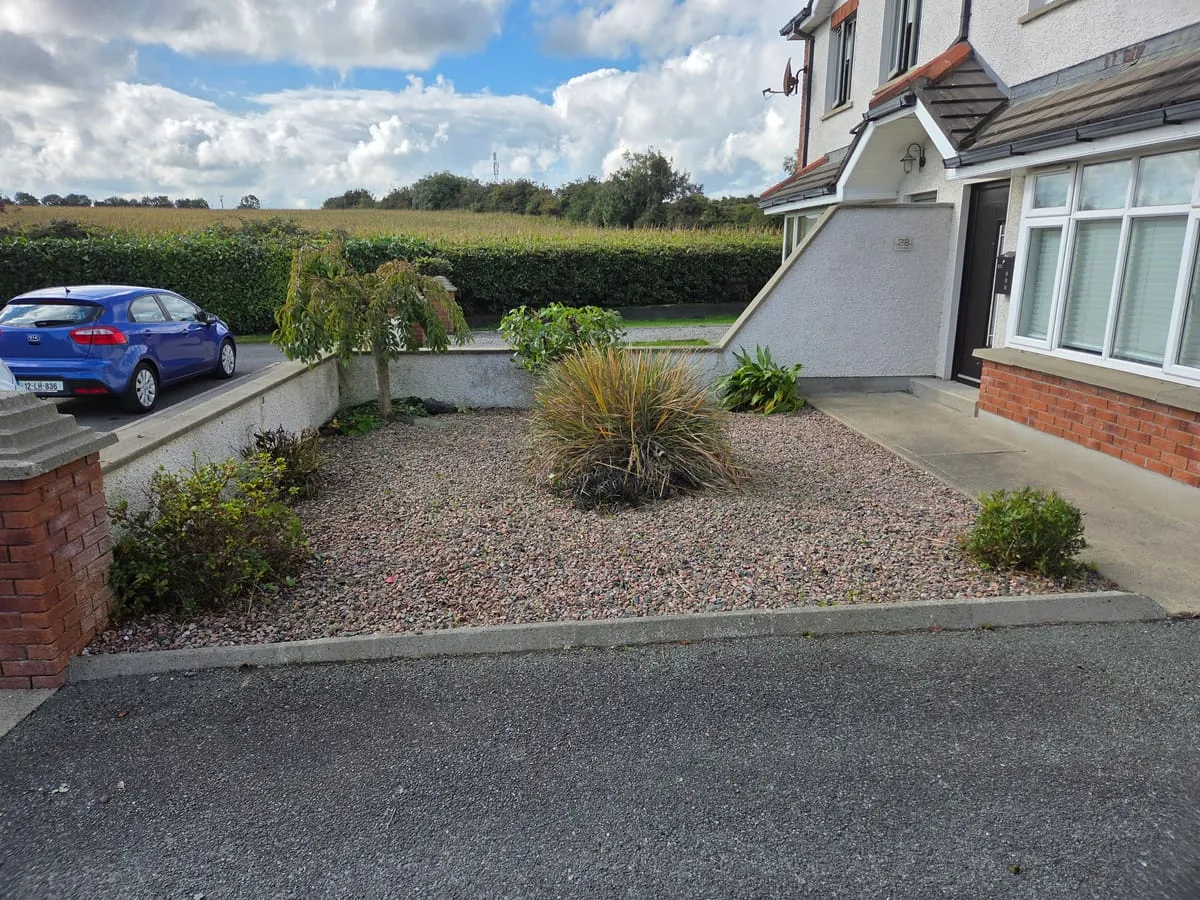
Your lawn is a mess. Winter is finally loosening its grip on County Louth, and you are probably looking out at what used to be your pride and joy wondering if it is even worth saving.
Do not panic. Every garden in Ireland looks rough after winter. That is just what happens when you live somewhere that gets battered by rain, frost and the odd storm out of nowhere. The good news is that muddy, moss-covered mess can almost always be brought back. Irish grass is tougher than it looks.
Working out what you are dealing with
First, get your boots on and actually walk the garden. Do not just squint through the kitchen window. Have a proper look so you know what needs fixing.
The usual winter problems are:
- Moss. Probably the first thing you will notice - thick, spongy patches that have crowded out the grass. Our damp, dark winters are perfect for it.
- Bare patches. Spots where the grass has given up, usually from waterlogging or frost.
- Compacted soil. All that rain plus foot traffic on soft ground leaves soil hard as a path. Push a garden fork in - if it feels like you are digging through concrete, that is your problem.
Dull, blue-ish grass and yellowing patches are signs the roots have been struggling. Most of it will come back with the right care; the worst of it may need reseeding.
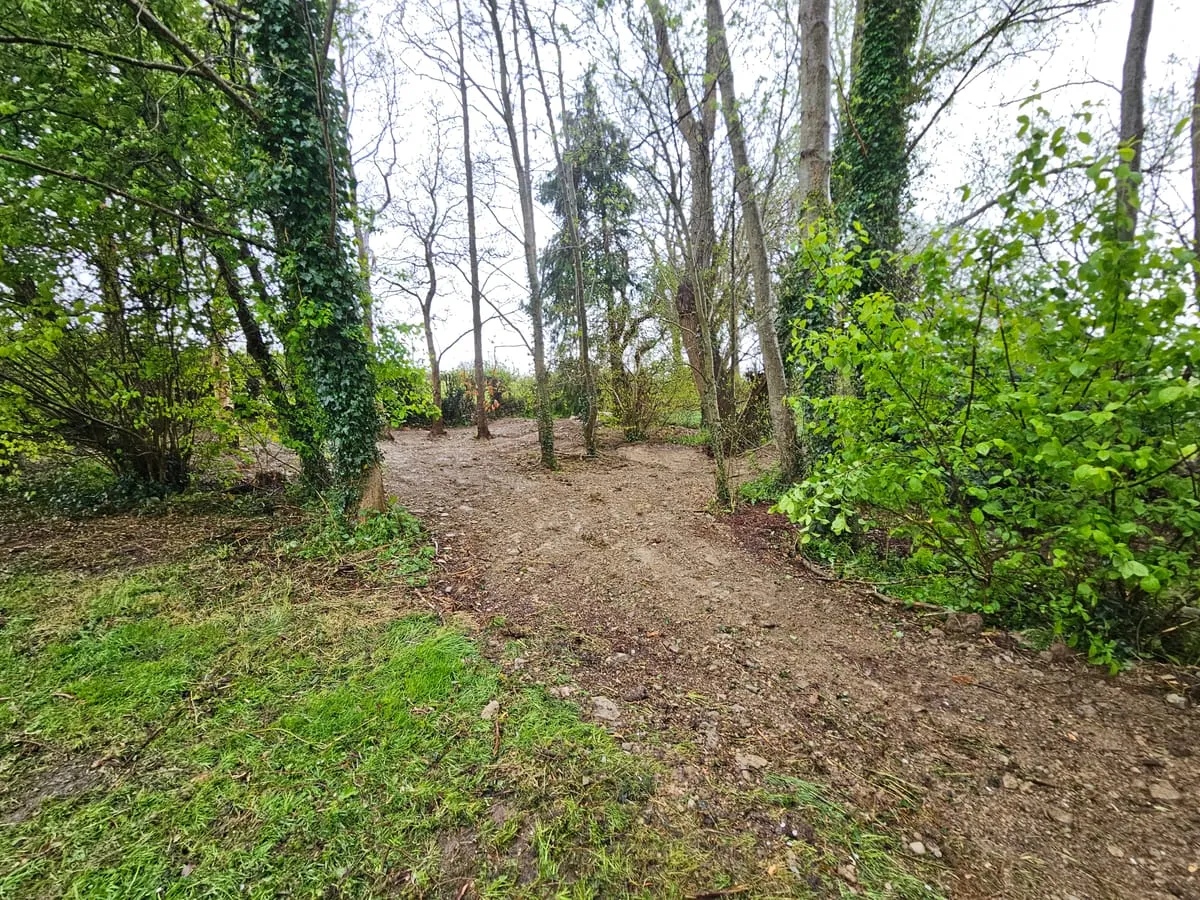
The recovery steps, in order
Getting the order right matters more than rushing.
Clear the moss and dead growth
This is the satisfying bit. Use a spring-tined rake to scarify the lawn, pulling out the moss, dead grass and winter debris. It will look worse before it looks better, so trust it.
For stubborn moss, a moss treatment containing ferrous sulphate works well. Apply it on a damp day once things have warmed up a little; the moss blackens within a few days and rakes out much more easily. Do not skip this - moss and thatch block water, air and feed from reaching the roots, so you have to clear the decks before anything else will work.
Aerate compacted ground
Irish soil packs down badly over winter, so aeration is worth the effort. On a smaller lawn, spike it all over with a garden fork, pushing the tines down and rocking gently to open the holes. On a bigger lawn, a hired hollow-tine aerator pulls out small plugs of soil and does a better job.
Timing matters. Wait until the soil is workable but not bone dry. Late March into April usually suits County Louth, but let the weather guide you rather than the calendar.
Feed it
Your lawn has been surviving on whatever it could find all winter, so a spring feed gets it going again. A balanced spring lawn fertiliser is the simplest choice. Feed little and often through the growing season rather than dumping it all on at once, and never feed right before heavy rain or during a dry spell.
Organic feeds suit Irish conditions well. They release slowly, are far less likely to scorch the grass, and improve the soil over time. Some organic lawn products even contain bacteria that break moss down into feed, which is handy given how much moss we get.
Overseed thin and bare areas
Overseeding thickens up the lawn and brings in fresh, vigorous grass. Choose a seed mix made for Irish conditions - a blend of perennial ryegrass and fescue handles our climate well, with the ryegrass establishing quickly and the fescue coping better in dry spells. Near the coast around Blackrock or Carlingford, look for hardier, salt-tolerant mixes. Avoid the cheapest mixes, which are often bulked out and do not last.
Rake the surface first so the seed makes good contact with the soil, then sow by hand for even cover. Keep it gently watered while it establishes, especially if we get an unusually dry patch.
When to call someone in
Most lawns recover with patience and elbow grease. It is worth getting help when:
- A large part of the lawn is bare or completely taken over by moss and a full renovation makes more sense than chipping away at it yourself.
- The lawn is constantly waterlogged, which usually points to a drainage problem deeper than the surface.
Recovery is several weekends of work done properly, and rushing it tends to set you back. If that is more than you fancy taking on, that is exactly the kind of job we do.
Get your lawn back on track
Seamus and the team handle spring lawn recovery - scarifying, aeration, feeding and overseeding - right across Dundalk and the surrounding Louth and Cooley area.
Call 085 168 5170 or request a free quote and we will get your lawn looking like itself again.