Spring Lawn Recovery After Irish Winter: Complete Guide for County Louth
Complete guide to reviving your lawn after Ireland's harsh winter. Expert tips for assessing damage, moss removal, soil repair, and overseeding for County Louth gardens.
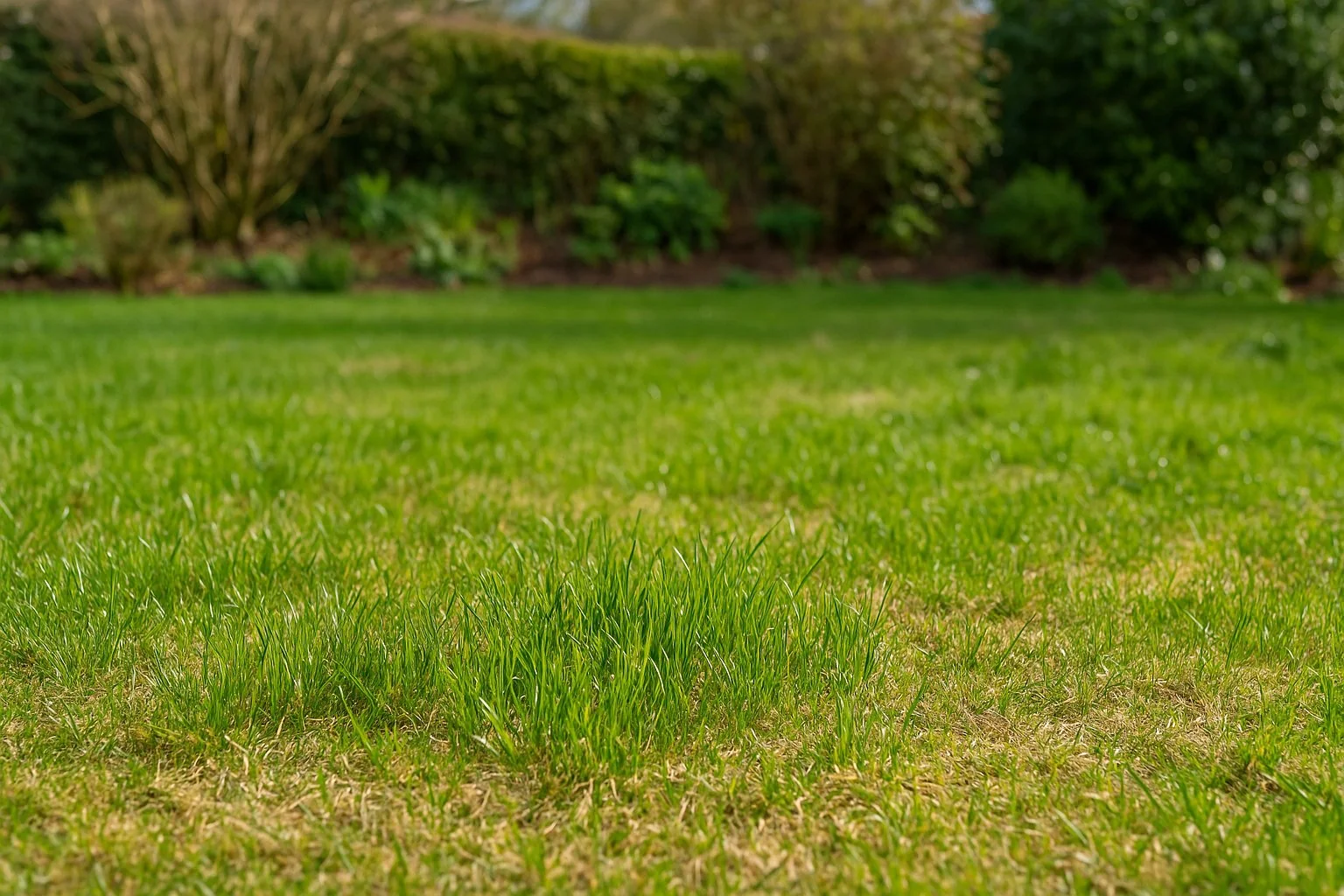
Look. Your lawn’s a mess. Winter’s finally loosening its grip on County Louth, and you’re probably staring out at what used to be your pride and joy wondering if it’s even worth saving.
Don’t panic. You’re definitely not alone here. Every garden in Ireland looks rough after winter—it’s just how things work when you live somewhere that gets hammered by rain, frost, and those mental storms that come out of nowhere. But here’s the good news: that muddy, moss-covered disaster can absolutely be saved.
Irish lawns are tougher than they look. They’ve evolved to handle our crazy weather, which means with the right approach (and a bit of elbow grease), you’ll have your neighbours asking what your secret is by summer.
Assessing Winter Damage to Your Lawn
Right. First things first—we need to figure out exactly what we’re dealing with here. Put the kettle down and actually walk around your garden. Properly look at it. Don’t just peer through the kitchen window making disappointed faces—get your boots on and have a real inspection.
Common Winter Problems in Ireland
Moss. Everywhere. That’s probably what you’re seeing first, and honestly, it’s the biggest pain in the backside you’ll deal with. Ireland’s damp, dark winter basically rolls out the red carpet for moss to take over your lawn.
You’ll spot it easily enough—thick, spongy patches that have basically evicted your grass and moved in permanently. It’s like moss has been having a six-month house party while your grass was trying to survive.
Then there’s the bare patches. These are the areas where your grass just threw in the towel during winter—could be waterlogged soil, frost damage, or simply the stress of Irish weather being, well, Irish.
And here’s the kicker: compacted soil. All that rain we get, plus people walking around when the ground’s soft, creates soil that’s harder than concrete. Try pushing a garden fork into your lawn—if it feels like you’re trying to dig through a car park, that’s your problem right there.
Signs Your Lawn Needs Recovery Work
Your grass might look dull and blue-ish rather than its normal green. That’s drought stress showing up even in our wet climate—strange but true. The roots have been struggling, and the grass is basically hanging on by a thread.
Yellowing patches often indicate waterlogging damage. If sections of your lawn spent winter sitting in water, the grass has likely rotted at root level. These areas will need complete renovation.
Fairy rings or brown patches might be signs of fungal disease that took hold during winter’s wet conditions. These need addressing before they spread further.
Essential Spring Recovery Steps
Right, now for the good stuff—actually fixing your lawn. The secret is getting the timing right and tackling problems in the correct order.
Soil Testing and pH Adjustment
Before you do anything else, test your soil. Irish soils tend to be acidic, and winter conditions often make this worse. You want your pH between 6.3 and 7.0 for healthy grass growth.
Pick up a simple soil testing kit from your local garden centre. Test several spots around your lawn—don’t just test one area and assume the whole garden’s the same. County Louth’s coastal areas often have different pH levels than inland gardens.
If your soil’s too acidic (below 6.0), you’ll need to add lime. But don’t guess—follow the test results. Adding too much lime is worse than adding none at all.
Removing Moss and Debris
Now comes the satisfying bit—getting rid of all that moss. Use a spring-tined rake to scarify your lawn, pulling out dead grass, moss, and general winter debris. It’ll look terrible initially, but trust the process.
For stubborn moss, consider using a moss killer containing ferrous sulphate. Apply it on a damp day when temperatures are above 12°C. The moss will turn black within days, making it easier to rake out.
Don’t rush this step. Properly removing moss and thatch is crucial because these materials prevent water, air, and nutrients from reaching grass roots. Think of it as clearing the decks for new growth.
Aeration Timing for Irish Soil
Irish soil gets properly compacted during winter, so aeration is essential. Use a garden fork to spike your lawn every 10-15cm, pushing the tines down 8-15cm deep. Rock the fork gently back and forth to open up the holes.
For larger lawns, consider hiring a hollow-tine aerator. These machines remove small plugs of soil, creating space for roots to grow and water to penetrate.
Timing matters here. Wait until the soil’s workable but not bone dry. Usually, late March to early April works well in County Louth, but let the weather guide you.
Fertilization Strategy for Spring
Your lawn’s been surviving on whatever nutrients it could find during winter. Now it needs feeding to kickstart growth.
NPK Ratios for Irish Lawns
Look for a spring fertilizer with a balanced NPK ratio—something like 10-5-5 works well for most Irish lawns. The nitrogen (N) promotes leaf growth, phosphorus (P) encourages root development, and potassium (K) helps overall plant health.
Apply fertilizer “little and often” during the growing season. This approach gives the most efficient response in terms of grass growth and prevents waste through runoff.
Organic vs Chemical Fertilizers
Both have their place, but organic fertilizers often work better in Irish conditions. They release nutrients slowly, reducing the risk of burning grass, and improve soil structure over time.
Consider Mo Bacter, an organic fertilizer specifically designed for Irish lawns. It contains friendly bacteria that actually eat moss and turn it into fertilizer—pretty clever stuff.
Chemical fertilizers give faster results but require more careful application. Never apply them before heavy rain or during drought conditions.
Overseeding and Repair Techniques
Here’s where you’ll see real improvement. Overseeding thickens up thin areas and introduces new, vigorous grass varieties.
Best Grass Varieties for County Louth
Choose seed mixes specifically designed for Irish conditions. A blend of perennial ryegrass and fescue works brilliantly for most County Louth gardens. Ryegrass establishes quickly and handles our climate well, while fescue provides drought tolerance and disease resistance.
For coastal areas like Blackrock or Carlingford, look for salt-tolerant varieties. The sea air affects grass differently than inland locations.
Avoid cheap seed mixes—they’re often bulk-filled with annual ryegrass that gives quick results but doesn’t last. Invest in quality seed from a reputable supplier.
When to Overseed in Ireland
Mid-April to early May is ideal for overseeding in County Louth, assuming soil temperatures have reached 8°C consistently. The risk of frost should have passed, and warming soil encourages rapid germination.
Prepare the seedbed properly by raking the soil surface to create good seed-to-soil contact. Broadcast the seed by hand for even coverage—mechanical spreaders often miss patches.
Water regularly but gently after seeding. New grass needs consistent moisture for the first 6-8 weeks. If we have one of those dry spells (rare but possible), you’ll need to water daily.
Professional vs DIY Recovery
Sometimes it’s worth calling in the experts, especially if your lawn’s completely ruined or you’re dealing with complex soil issues.
When to Call Experts
If more than 50% of your lawn is bare or moss-covered, professional renovation might be more cost-effective than DIY attempts. Professional spring lawn recovery services have the equipment and expertise to tackle severe damage efficiently.
Complex drainage issues also warrant professional attention. If your lawn’s consistently waterlogged, the problem might be deeper than surface compaction.
Cost Comparison
DIY recovery costs vary, but expect to spend €50-100 on materials for an average garden—seed, fertilizer, lime, and moss killer add up quickly. Professional services cost more upfront but often deliver better long-term results.
Consider the time investment too. Proper lawn recovery takes several weekends of work, and mistakes can set you back months.
Your lawn’s been through a lot this winter, but it’s tougher than you think. With proper assessment, systematic repair, and a bit of patience, you’ll have it looking fantastic again. The key is starting early and doing things properly—rush the job, and you’ll be back to square one next winter.
Spring’s the perfect time for comprehensive lawn restoration services that address all these issues systematically. And if you’re in coastal areas dealing with moss control strategies, remember that prevention’s always better than cure.
Most importantly, don’t get discouraged if progress seems slow initially. Irish grass is remarkably resilient—give it the right conditions, and it’ll bounce back stronger than ever. By summer, you’ll be wondering why you worried so much about those winter battle scars.