Moss Control for Coastal Gardens in County Louth
Struggling with moss in your coastal County Louth garden? A practical guide to why coastal lawns get moss and how to get grass winning again.
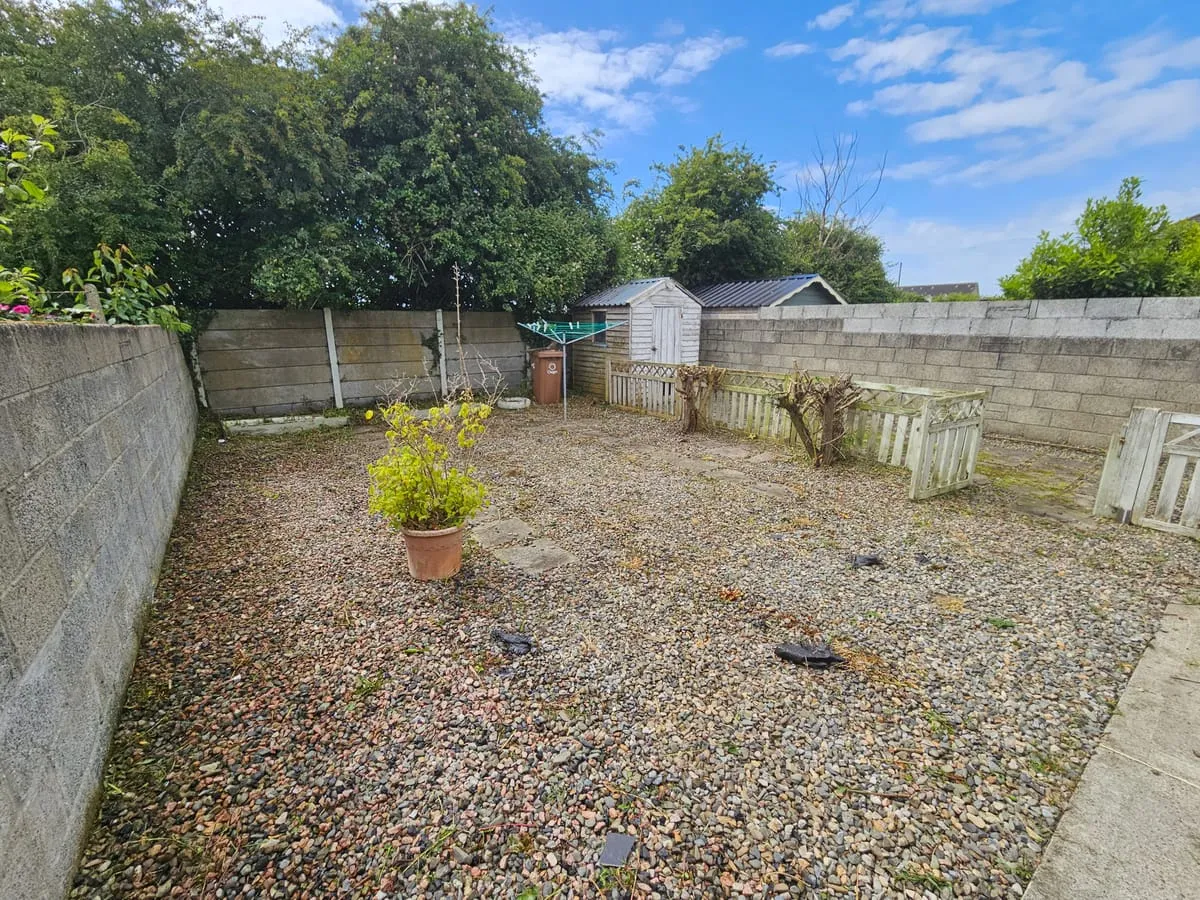
If your lawn is more moss than grass, you are not alone. Anyone living near the coast in County Louth, whether that is Blackrock, Carlingford, Greenore or Annagassan, knows the look: a thick, spongy green carpet that has crept in where the grass used to be.
The good news is that moss is a symptom, not a curse. Once you understand why coastal gardens are so moss-prone, getting on top of it becomes a lot more manageable.
Why coastal gardens get more moss
Moss thrives in damp, shaded, compacted ground where grass is struggling. Coastal Louth gardens tick most of those boxes:
- Constant moisture. Sea air keeps things damp even when it is not actively raining, so the lawn rarely dries out fully.
- Heavy, clay-leaning soil. Water sits on the surface rather than draining away, and waterlogged ground is exactly what moss likes.
- Shade and shelter. Spots that get little sun or air movement stay wet longest, and that is usually where moss takes hold first.
When grass is weak and the ground stays wet, moss simply fills the gap. Fix the conditions and the balance starts to swing back to the grass.
Check what you are dealing with first
Before you treat anything, walk the lawn and have a proper look.
- How much moss is there? A bit scattered through the lawn is a quick fix. If it has taken over most of the lawn, you are looking at a bigger renovation.
- Is the ground soggy? Push a garden fork in. If it is hard to get in, or water pools after rain, drainage is your real problem.
- Where is it worst? Note the shaded, low-lying or sheltered patches. Those are the spots to target.
Treating the moss
The job has two halves: kill the moss, then physically remove it.
1. Kill it with iron sulphate
Iron sulphate (ferrous sulphate) is the standard treatment. It blackens moss and greens up the grass at the same time. Apply it when the moss is damp and actively growing, which usually means autumn or early spring here. Avoid frosty spells and bone-dry days. Within a few days the moss turns black, which tells you it has worked.
2. Rake it out
Once the moss is dead and black, rake it out hard with a spring-tined rake. The lawn will look rough afterwards, like a building site, but that is normal. Leaving dead moss in place just smothers the grass underneath, so it has to come out.
Pick a stretch of settled weather for this rather than raking right before a storm.
Stopping it coming back
Treatment alone is a short-term fix. If you do not change the conditions, the moss returns within a season. The things that actually make a lasting difference:
- Improve drainage. This is the big one near the coast. Aerating the lawn (hollow-tine or even just spiking it with a fork) lets water get down through the soil instead of sitting on top. Doing it twice a year makes a real difference.
- Get more light and air in. Trim back overhanging branches and dense planting that keep parts of the lawn permanently damp and shaded.
- Do not cut too low. Very short grass in a damp, shaded spot just struggles. Keeping it a touch longer helps the grass compete.
- Overseed the bare patches once the moss is out, working a little compost or topsoil into thin areas to give new grass a footing.
The honest reality
You will probably never eliminate moss completely on a coastal lawn. The same mild, damp conditions that make this a lovely place to live are exactly what moss enjoys. The realistic goal is a lawn that is mostly healthy grass and only lightly bothered by moss, kept in check with a yearly treatment and good drainage rather than left to take over.
If the moss has the upper hand and you would rather hand it over, we cover Dundalk and the surrounding Louth and Cooley area. Give Seamus a call on 085 168 5170 or request a free quote and we will take a look.