Low-Maintenance Garden Design for Busy Irish Homeowners
Create beautiful, low-maintenance gardens perfect for Ireland's climate. Learn native plant selection, water-wise design, and time-saving techniques for busy lifestyles.
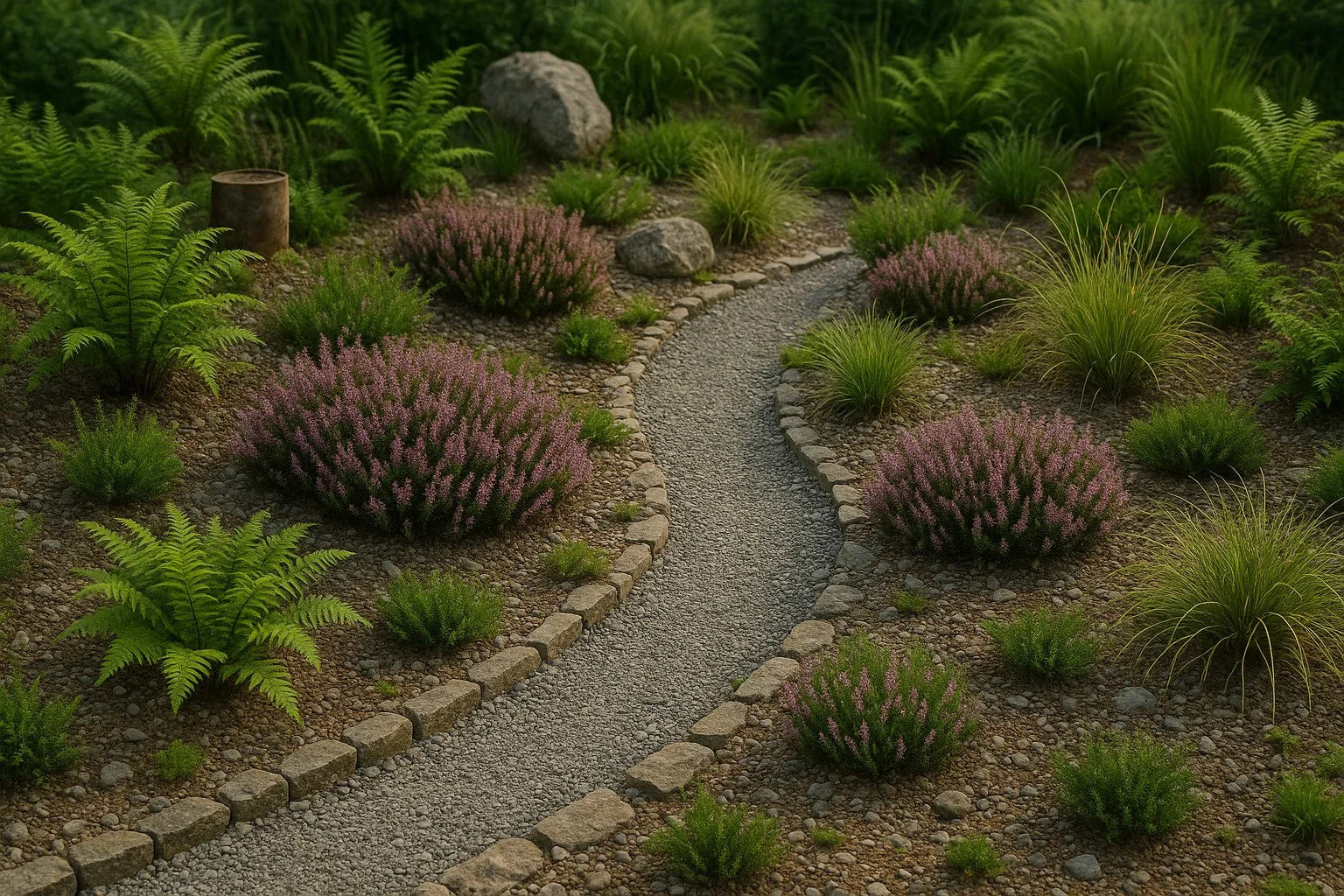
You love the idea of a beautiful garden, but let’s be honest—you barely have time to keep up with the basics, never mind spending weekends wrestling with high-maintenance plants that demand constant attention. Sound familiar?
Here’s the good news: stunning gardens don’t have to be time-consuming. With smart design choices and the right plant selection, you can have outdoor spaces that look fantastic year-round while requiring minimal intervention from you.

Planning Your Low-Maintenance Garden
The secret to successful low-maintenance gardening isn’t cutting corners—it’s making smart decisions at the planning stage that save you time and effort for years to come.
Site Analysis and Soil Assessment
Start by understanding what you’re working with. Irish gardens often have challenging conditions—heavy clay soil, poor drainage, or extreme exposure that defeats many gardening attempts before they begin.
Test your soil properly. Simple pH test kits from garden centers tell you whether your soil is acidic (most Irish soils) or alkaline. This single piece of information determines which plants will thrive versus struggle in your conditions.
Drainage assessment matters enormously in Irish conditions. Dig test holes 18 inches deep in different areas and fill them with water. If water sits for more than 24 hours, you’ve got drainage issues that need addressing before any planting begins.
Microclimates within your garden affect plant choices dramatically. Sheltered corners, exposed slopes, and areas under trees all have different growing conditions that require different approaches.
Lifestyle and Time Constraints
Be realistic about maintenance time. If you can only manage garden work one weekend per month, design for that reality rather than optimistic intentions that lead to guilt and garden failure.
Peak growing season determines your busiest garden period. In Ireland, this typically runs May through September when most maintenance tasks concentrate. Plan for this workload realistically.
Holiday coverage becomes crucial for garden success. If you travel during summer months, choose plants and systems that survive neglect rather than require constant attention.
Budget Planning Considerations
Initial investment in low-maintenance design costs more upfront but saves money long-term through reduced maintenance, plant replacement, and problem-solving costs.
Infrastructure improvements like proper drainage, automatic irrigation, and quality soil preparation pay dividends for decades. Skimp on foundations and you’ll fight problems forever.
Plant selection affects long-term costs significantly. Cheap plants that need constant replacement cost more than quality specimens that establish successfully and last for years.
Plant Selection for Easy Care
Choose plants that want to grow in your conditions rather than fighting to keep unsuitable plants alive. This single principle eliminates most garden maintenance headaches.
Native Irish Plants for Minimal Care
Irish natives evolved here and understand our climate better than any exotic import. They handle wet winters, unpredictable summers, and changeable conditions without drama or special care.
Hawthorn makes brilliant hedging that needs cutting only once annually and provides year-round interest with spring flowers, summer foliage, and autumn berries. It’s nearly indestructible in Irish conditions.
Native ferns like Hart’s-tongue and Lady Fern thrive in shaded areas where other plants struggle. Once established, they provide lush greenery with virtually no maintenance beyond occasional tidying.
Blackthorn creates dense, protective hedging that wildlife loves and requires minimal care once established. The early spring flowers provide nectar when little else is available.
Drought-Tolerant Options
While Ireland isn’t known for drought, choosing plants that handle dry spells reduces watering demands and creates resilience during those occasional dry summers we do get.
Mediterranean herbs like rosemary, thyme, and sage thrive in well-drained Irish gardens and provide culinary benefits alongside low maintenance requirements. Once established, they need virtually no watering.
Ornamental grasses work brilliantly in Irish conditions. Species like Miscanthus and Festuca provide movement, texture, and year-round structure while needing just annual cutting back.
Sedum varieties handle poor soils and dry conditions while providing late-season flowers when most other plants are finishing. They’re perfect for difficult spots where other plants fail.

Self-seeding and Naturalizing Plants
Plants that self-seed and spread naturally reduce replanting work and create natural-looking gardens that develop their own character over time.
Foxgloves self-seed reliably in Irish gardens, creating drifts of tall spikes that move around the garden naturally. Once you have them, you’ll always have them without any effort.
Welsh poppies spread themselves through gardens, providing bright yellow flowers throughout the growing season. They’re particularly good at colonizing difficult areas under trees or in poor soil.
Aquilegia (Columbine) produces varied offspring that create natural plant communities. The flowers come in different colors, and the plants establish in unexpected places, creating delightful surprises.
Design Strategies for Reduced Maintenance
Smart design eliminates maintenance tasks rather than just making them easier. Think systematically about what creates work in gardens and design it out from the beginning.
Ground Cover Instead of Grass
Lawn maintenance consumes more time than any other garden activity. Large areas of grass mean weekly mowing, feeding, weeding, and edge trimming throughout the growing season.
Ajuga (Bugleweed) creates dense, weed-suppressing ground cover with attractive foliage and spring flowers. Once established, it needs virtually no maintenance and handles shade better than grass.
Pachysandra provides evergreen ground cover for shaded areas where grass struggles. It spreads gradually to form dense mats that require no mowing, feeding, or regular attention.
Creeping thyme works well in sunny, well-drained areas and provides aromatic foliage plus summer flowers. It tolerates light foot traffic and needs just occasional trimming to keep it tidy.
Mulching for Weed Suppression
Mulching is probably the single most effective low-maintenance technique available. Proper mulching suppresses weeds, retains moisture, and improves soil while reducing maintenance dramatically.
Organic mulches like bark chips and compost break down gradually, improving soil structure while providing ongoing weed suppression. Apply 2-3 inches deep around plants but keep clear of plant stems.
Gravel mulching works well for Mediterranean plants and provides permanent weed suppression with good drainage. It’s particularly effective around herbs and drought-tolerant perennials.
Living mulches use low-growing plants to suppress weeds naturally. Ground-covering perennials create attractive, maintenance-free carpets that eliminate bare soil where weeds establish.
Permanent Planting Schemes
Perennial plants that return year after year eliminate annual replanting work while providing increasingly impressive displays as they mature and spread.
Herbaceous perennials die back in winter but return reliably each spring, often larger and more floriferous than the previous year. Once established, they provide years of display with minimal intervention.
Shrub borders provide structure, seasonal interest, and wildlife value while needing only annual pruning and occasional feeding. Choose varieties that suit your site conditions for minimum maintenance.
Mixed planting schemes combine trees, shrubs, and perennials to create layered gardens that look after themselves. Natural plant communities develop that are largely self-sustaining once established.
Infrastructure for Easy Care
Investing in proper infrastructure upfront dramatically reduces long-term maintenance requirements and creates gardens that function efficiently with minimal intervention.
Automatic Irrigation Systems
Automatic watering eliminates the biggest maintenance headache in garden care. Modern systems can be programmed for different areas and adjusted seasonally for optimal plant health.
Drip irrigation delivers water directly to root zones with minimal waste and maximum efficiency. It’s particularly valuable for container gardens and border plantings that need consistent moisture.
Rain sensors prevent irrigation systems operating during wet weather, saving water and preventing overwatering problems that cause root rot and other issues.
Smart controllers adjust watering based on weather conditions, soil moisture, and plant requirements. They can be controlled remotely and provide data on water usage and system performance.
Permeable Pathways and Surfaces
Hard surfaces that require regular cleaning and maintenance create ongoing work. Choose materials and designs that stay attractive with minimal intervention.
Gravel paths provide good drainage, need no regular cleaning, and work well in informal garden settings. Choose angular gravel that locks together rather than rounded stones that move underfoot.
Permeable paving allows water infiltration while providing solid walking surfaces. It reduces runoff problems and often requires less maintenance than impermeable surfaces.
Natural stone paths age gracefully and require minimal maintenance while providing attractive, permanent garden features that improve rather than deteriorate over time.

Seasonal Maintenance Minimization
Even low-maintenance gardens need some seasonal care, but smart planning reduces this to just a few key tasks that make maximum impact.
Once-yearly Cleanup Strategies
Concentrate maintenance into one or two intensive sessions annually rather than constant small tasks throughout the year. This approach is more efficient and less disruptive to busy schedules.
Late winter cleanup handles most annual maintenance in one session. Cut back perennials, mulch beds, divide overcrowded plants, and apply annual feeding all in one concentrated effort.
Autumn preparation focuses on protecting plants for winter and planning for the following year. This includes planting spring bulbs, winter protection, and final tidy-up before winter dormancy.
Self-maintaining Plant Communities
Mature gardens develop their own balance where plants support each other and natural processes handle much of the maintenance automatically.
Natural succession allows gardens to evolve towards stable plant communities that require minimal intervention. Work with these processes rather than fighting them.
Companion planting uses beneficial plant relationships to reduce pest problems, improve soil conditions, and create mutual support systems that reduce maintenance needs.
Wildlife gardening encourages natural pest control and pollination services that reduce the need for intervention while creating environmental benefits.
Professional Design and Installation
Professional design and installation services help create low-maintenance gardens that function properly from the beginning rather than requiring years of adjustment and problem-solving.
Expert Plant Selection Services
Professional plant knowledge ensures species selection that suits your specific site conditions, climate, and maintenance preferences rather than generic recommendations that may not work.
Sourcing quality plants from specialist nurseries provides better establishment success than garden center purchases. Professional relationships with growers access better plant quality and varieties.
Installation timing and techniques affect long-term plant success dramatically. Professional planting ensures proper soil preparation, planting depth, and establishment care for maximum success rates.
Installation and Establishment Support
Professional installation includes proper soil preparation, irrigation setup, and initial establishment care that gives plants the best possible start in their new environment.
Aftercare programs provide ongoing support during the critical establishment period when plants are most vulnerable to stress and failure.
Guarantee programs protect your investment by replacing plants that fail to establish successfully, providing peace of mind and ensuring long-term garden success.
Low-maintenance garden design is about working with Irish conditions rather than against them. Choose plants that want to grow here, design out unnecessary work, and invest in infrastructure that functions efficiently.
The result is gardens that look fantastic year-round while fitting into busy lifestyles. Professional low-maintenance solutions help create gardens that enhance your life rather than consuming all your free time.
For expert design advice and professional installation of low-maintenance gardens throughout County Louth, experienced designers understand both Irish growing conditions and the reality of modern lifestyles. Your garden should be a source of pleasure, not stress.