Irish Hedge Trimming Laws: A Clear Guide for Property Owners
What you need to know about Ireland's hedge cutting laws under the Wildlife Act - the legal cutting season, the exceptions, boundary hedges, and how to stay compliant.
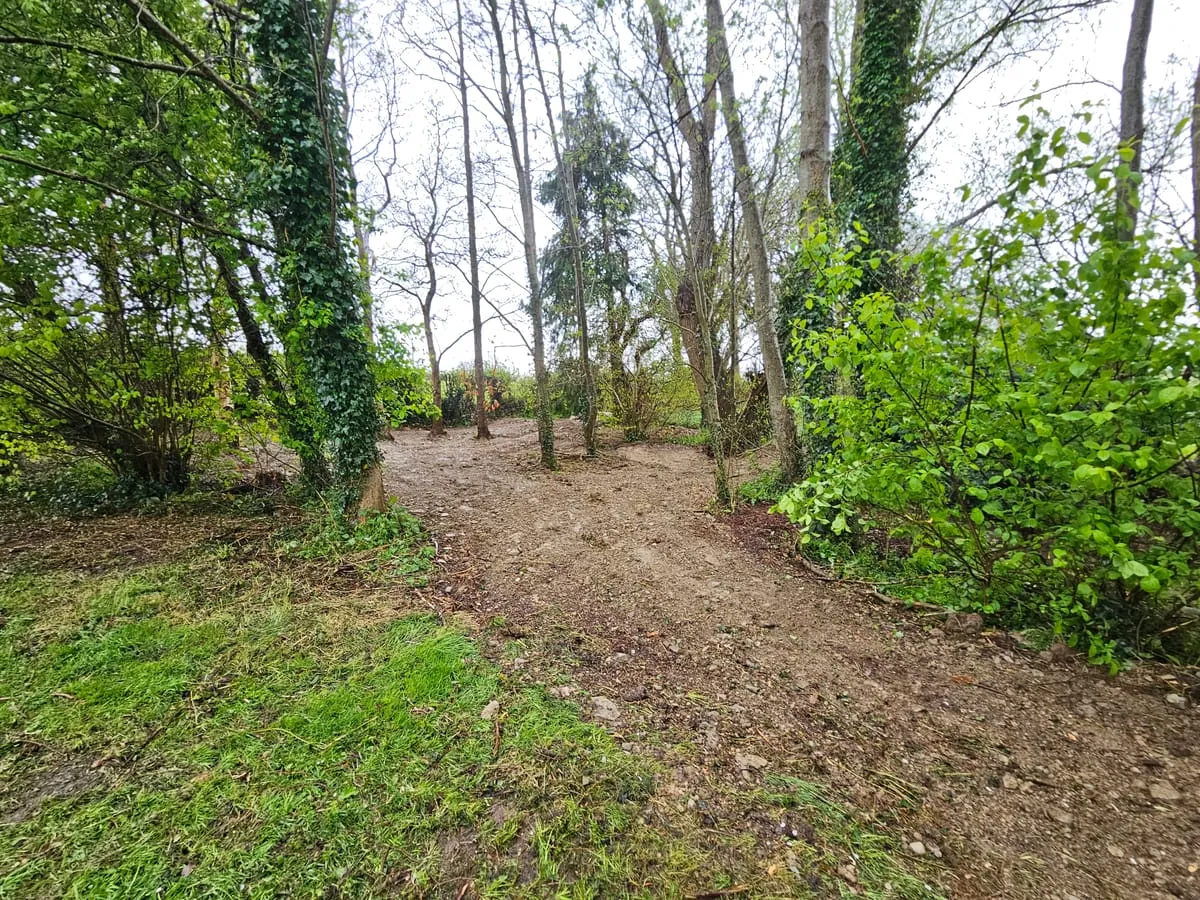
Before you reach for the hedge trimmer, there is one thing worth knowing: in Ireland, cutting hedges at the wrong time of year is actually against the law. It is not a guideline or good manners, it is in the legislation, and it is there to protect nesting birds.
Here is the plain-English version of what you can and cannot do.
The main rule: the closed season
Under the Wildlife Act, it is illegal to cut, burn or destroy hedges and roadside vegetation between 1 March and 31 August each year. This is the bird nesting season, when hedgerows across the country are full of birds raising their young.
The timing makes sense once you think about it. March is when birds start nesting and laying. By the end of August the last broods have fledged. Cut a hedge in between and you risk destroying nests and killing young birds.
The key thing people miss: the law does not care whether you can see a nest. The closed season applies to hedges generally, not just ones you happen to spot a nest in. Nests are well hidden, and even experienced birdwatchers miss them.
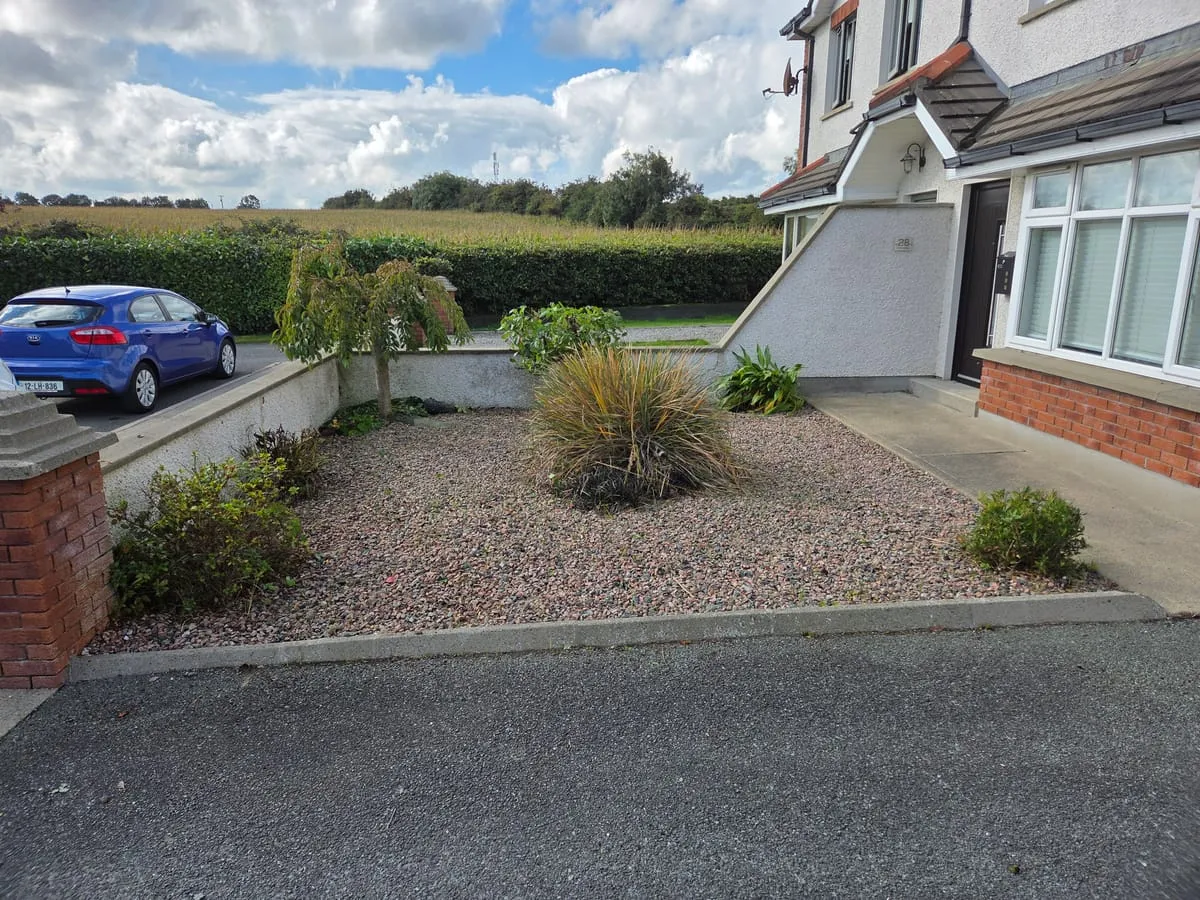
When you can legally cut
Your cutting window runs from 1 September to the end of February. That gives you six months, which is plenty for a normal garden.
September and October are the sweet spot in Irish conditions. The weather is usually still decent, the birds have finished nesting, and the hedge has time to settle before winter. This is the busy season for hedge work, so it is worth booking early if you want someone to do it.
November to February still works, but the weather gets less reliable. Cutting in heavy rain or strong wind is dangerous and gives a ragged finish, and frozen hedge material shatters instead of cutting cleanly. Pick a dry, calm day rather than rushing to beat the March deadline.
The exceptions
There are exemptions, but they are narrower than people assume:
- Agriculture and forestry. Vegetation cleared “in the ordinary course of agriculture or forestry” is exempt - but this is about genuine farming and commercial forestry, not your garden hedge.
- Public health and safety. Work done for safety reasons under the authority of a Minister or a statutory body, for example dangerous branches threatening a road or power line.
- Road safety. Clearing vegetation that genuinely blocks visibility at a junction or creates a real traffic hazard.
The important word in all of these is “genuine.” Tidying a scruffy garden hedge in July because it looks untidy does not qualify.
Boundary hedges and your neighbours
A hedge growing on the boundary between two properties is usually owned by both of you. That means neither of you can cut or remove it without the other’s agreement, regardless of who planted it.
In practice that means a bit of communication. If you want it cut in October and your neighbour would rather wait, you negotiate. The law does not let either side override the other. A quick chat and a photo of the hedge before and after keeps everyone happy and heads off disputes.
Ireland does not have a specific hedge-height law, but if a hedge is genuinely blocking light or causing a real problem for a neighbour, that can be dealt with through the local authority. The bar is “significant” though, not minor inconvenience. Regular maintenance in the legal season is the easiest way to avoid the whole situation.
Conservation areas and protected trees
If your property is in a designated conservation area, or a hedge or tree is covered by a Tree Preservation Order, there can be extra restrictions on top of the seasonal rule. Routine garden maintenance is usually fine, but significant cutting or removal may need council approval. If you are planning major work and you think either might apply, check with your local planning office first.
The bottom line
The rules are simple enough to live with: do your hedge work between September and the end of February, leave hedges alone during the March-to-August nesting season, and talk to your neighbour about any shared boundary. Do that and you stay on the right side of the law while the birds get their season.
Need it done within the season?
We handle hedge cutting and reduction across Dundalk, the Cooley peninsula and the wider Louth area, and we work within the legal cutting season so you do not have to think about it. If you want your hedges sorted before the closed season comes back around in March, call Seamus on 085 168 5170 or get a free quote.