How to Have Colorful Hedge Ireland: Complete Guide to Year-Round Garden Beauty
Create stunning colorful hedges in Ireland with expert plant selection, seasonal planning, and maintenance tips. Discover native flowering species and vibrant combinations for Irish gardens.
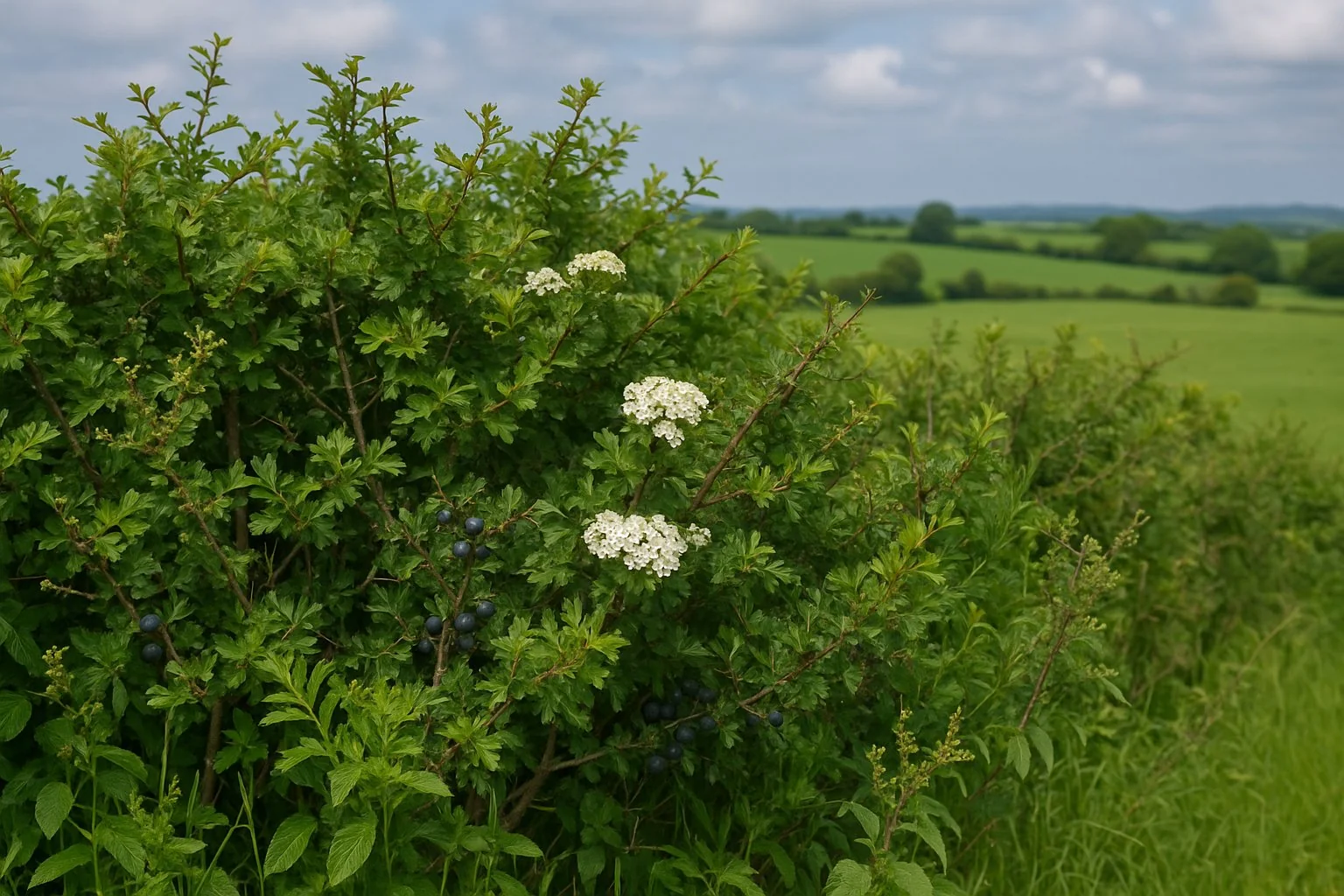
Colorful hedges transform ordinary Irish gardens into spectacular year-round displays that celebrate our unique climate while providing privacy, wildlife habitat, and seasonal beauty. Gone are the days when hedges meant boring green barriers—modern colorful hedging creates living walls that burst with flowers, berries, and foliage throughout the seasons.
But here’s what many Irish gardeners don’t realize—creating truly colorful hedges requires understanding which plants actually thrive in our maritime climate rather than struggling against it. Many exotic flowering shrubs that look stunning in magazines fail miserably in Ireland’s cool, moist conditions, while native species provide reliable color with minimal maintenance.
Ireland’s climate offers unique advantages for colorful hedging. Our mild temperatures, abundant rainfall, and extended growing seasons support flowering species that struggle in harsher continental climates. Meanwhile, native plants provide year-round interest while supporting local wildlife and requiring minimal ongoing care.
Successful colorful hedging combines strategic plant selection with proper timing and maintenance techniques. When planned correctly, mixed hedges provide continuous interest from spring flowers through autumn berries while creating sustainable landscapes that enhance property value and support biodiversity throughout County Louth.

Understanding Colorful Hedging in Irish Conditions
Ireland’s maritime climate creates exceptional opportunities for colorful hedges while presenting specific challenges that require understanding for successful long-term results.
Why Ireland is Perfect for Colorful Hedges
Ireland’s mild temperatures throughout most seasons support flowering shrubs that require protection elsewhere in Europe. Our maritime climate rarely experiences extreme cold that damages tender flowering species, while summer temperatures remain moderate enough to prevent heat stress.
Abundant rainfall eliminates irrigation concerns while providing consistent moisture that supports vigorous growth and extended flowering periods. This natural irrigation system particularly benefits moisture-loving flowering species that struggle in drier European climates.
High humidity levels create favorable conditions for many flowering shrubs while supporting lush foliage development that enhances overall hedge appearance. Irish humidity particularly benefits species originating from similar maritime climates worldwide.
Extended growing seasons due to mild conditions allow flowers and berries to develop fully while providing longer display periods than areas with harsh winters or extremely hot summers that cut short growing cycles.
Maritime influence moderates temperature extremes while protecting hedges from sudden weather changes that can damage sensitive flowering species. Coastal areas particularly benefit from this stabilizing influence throughout seasonal transitions.
Natural soil moisture throughout most seasons reduces maintenance requirements while supporting healthy root development that enhances flowering performance and overall plant vigor in established hedges.
Year-round growing opportunities allow strategic planting and establishment timing while providing flexibility for hedge development that accommodates various flowering species requirements throughout different seasons.
Native vs. Non-Native Flowering Options
Native Irish flowering species offer unmatched adaptation to local conditions while requiring minimal maintenance once established. These species evolved specifically for Irish soil and climate conditions, ensuring reliable performance throughout variable weather patterns.
Hawthorn provides exceptional value through white spring flowers followed by red autumn berries that support wildlife while creating dramatic seasonal displays. This hardy native tolerates various soil conditions while requiring minimal ongoing care.
Blackthorn offers early spring flowers when few other plants bloom, providing essential early-season color while supporting pollinators emerging from winter. Dense thorny growth creates excellent security screening with beautiful seasonal interest.
Guelder Rose combines attractive white flowers with bright red berries while supporting diverse wildlife populations. This native species tolerates wet conditions common in Irish gardens while providing reliable color throughout growing seasons.
Non-native species require careful selection for Irish compatibility while offering expanded color palettes and flowering periods. Successfully adapted non-natives include species from similar maritime climates that complement rather than compete with native plants.
Rhododendrons and azaleas provide spectacular spring displays while requiring acid soil conditions and protection from extreme weather. These popular flowering shrubs work well in sheltered locations with appropriate soil preparation.
Hydrangeas offer large, colorful blooms throughout summer while adapting well to Irish moisture conditions. Various species provide different flowering times and color options for extended seasonal displays in mixed hedge plantings.
Climate Advantages and Challenges
Cool, moist conditions throughout much of the year support extended flowering periods while preventing heat stress that shortens bloom duration in warmer climates. Irish conditions particularly favor species requiring consistent moisture for optimal performance.
Mild winters allow tender flowering species to survive while avoiding dormancy stress that affects plants in harsher climates. This advantage enables growing species that require protection elsewhere in Europe.
Frequent rainfall provides natural irrigation while occasionally creating waterlogged conditions that stress some flowering species. Understanding drainage requirements becomes critical for species selection and site preparation.
Limited winter sunlight may affect flowering performance in shade-tolerant species while requiring careful positioning for optimal flower development. Strategic placement maximizes available light during crucial development periods.
Strong Atlantic winds can damage delicate flowers while requiring windbreak protection for exposed hedge locations. Wind protection strategies become essential for maintaining flower quality in exposed coastal areas.
Variable seasonal patterns including occasional drought summers challenge some flowering species while requiring backup irrigation for establishment periods and unusual weather conditions.
High humidity supports lush growth while occasionally encouraging fungal diseases that affect flowering performance. Good air circulation and appropriate spacing help prevent disease problems in colorful hedge plantings.
Planning Year-Round Color Succession
Spring color planning begins with early-flowering species that provide color when gardens remain largely dormant. Timing coordination ensures continuous displays from March through May using strategically selected species combinations.
Summer flowering strategies extend color through the warmest months while incorporating species that thrive in Ireland’s mild summer conditions. Heat-tolerant and moisture-loving species provide reliable summer displays.
Autumn interest includes berry-producing species that extend color into winter while providing wildlife food sources. Strategic berry selection creates spectacular autumn displays that persist through early winter months.
Winter structure relies on evergreen framework species that maintain hedge form while supporting seasonal flowering species during dormant periods. Proper evergreen selection provides year-round backbone for colorful plantings.
Seasonal transitions require overlap planning that prevents color gaps while ensuring continuous interest throughout changing seasons. Careful timing prevents periods when hedges lack significant color or interest.
Multi-year development plans accommodate species that require establishment time before reaching peak flowering while ensuring immediate impact through faster-growing companion species during development phases.
Professional design consultation helps create comprehensive color plans while ensuring appropriate species selection and timing for optimal long-term results in specific site conditions.

Native Irish Flowering Species for Color
Native species provide the foundation for successful colorful hedges while offering unmatched adaptation to Irish conditions and exceptional wildlife value.
Hawthorn (Crataegus monogyna) - The Ultimate Colorful Native
Hawthorn represents Ireland’s most versatile colorful hedge species, providing spectacular white spring flowers followed by brilliant red autumn berries while maintaining attractive year-round structure through its thorny branching pattern.
Spring flowering creates dramatic displays from April through May when entire hedges become covered in fragrant white blooms that attract diverse pollinator populations. The abundant flowers provide essential early-season nectar when few other plants offer resources.
Berry production begins in late summer while reaching peak color intensity during September and October. These bright red berries persist into winter, providing essential wildlife food while creating stunning seasonal displays.
Growing characteristics include moderate growth rates reaching 3-6 meters at maturity while developing dense, thorny barriers that provide excellent security screening. Hawthorn tolerates heavy pruning while maintaining flowering potential through appropriate timing.
Soil tolerance encompasses virtually all Irish soil types from heavy clay through sandy loam while performing best in well-drained locations. This adaptability makes hawthorn suitable for challenging sites unsuitable for other flowering species.
Wildlife benefits include nesting sites for numerous bird species while berries support wildlife throughout winter periods. The thorny structure provides secure nesting while flowers support diverse insect populations.
Maintenance requirements remain minimal once established, with annual pruning after berry display maintaining desired size while preserving following year’s flowering potential. Hawthorn responds excellently to renovation cutting when necessary.
Commercial availability through Irish nurseries includes various sizes from small hedge plants through mature specimens, with competitive pricing reflecting widespread cultivation and proven reliability in local conditions.
Blackthorn (Prunus spinosa) - Early Season Drama
Blackthorn provides unmatched early-season color through masses of white flowers appearing on bare branches during March and April, creating spectacular displays before leaves emerge and when most gardens remain dormant.
Flowering timing precedes most other species while providing crucial early nectar sources for emerging pollinators. This timing advantage makes blackthorn invaluable for wildlife gardens while creating dramatic early-season impact.
Sloe berry production occurs during autumn while providing traditional harvest opportunities for sloe gin production alongside wildlife food sources. These dark blue berries create attractive autumn displays while supporting traditional Irish uses.
Dense thorny growth creates impenetrable barriers while providing excellent security screening that surpasses most other hedge species. The aggressive thorns make blackthorn ideal for boundary hedging requiring security features.
Growing conditions favor poor to moderate soils while thriving in exposed locations unsuitable for tender flowering species. This hardiness makes blackthorn valuable for challenging sites requiring reliable colorful hedging.
Cultural significance includes traditional Irish hedgerow associations while supporting historical landscape character. Blackthorn hedges contribute to authentic Irish garden design while providing modern landscaping benefits.
Management considerations include aggressive growth requiring regular pruning while understanding that excessive cutting reduces flowering potential. Balanced pruning maintains desired size while preserving flowering wood.
Companion planting works excellently with other native species while creating diverse habitat that supports extensive wildlife populations. Mixed hedges incorporating blackthorn provide enhanced ecological value compared to single-species plantings.
Guelder Rose (Viburnum opulus) - Elegant Native Beauty
Guelder Rose combines sophisticated white flowers with brilliant red berries while providing exceptional autumn foliage color that creates multi-season interest rarely matched by other native flowering species.
Flower displays feature flat-topped white clusters during May and June while creating elegant displays that complement rather than compete with more dramatic flowering species. The flowers provide excellent pollinator resources during peak activity periods.
Berry development produces clusters of bright red berries that persist into winter while providing important wildlife food sources. These translucent berries create spectacular displays while supporting diverse bird populations throughout challenging winter periods.
Autumn foliage develops intense red and orange colors while providing dramatic seasonal displays that enhance berry displays. This dual autumn interest makes Guelder Rose particularly valuable for seasonal color planning.
Growing requirements include moist soil conditions while tolerating occasional waterlogging that damages other flowering species. This moisture tolerance makes Guelder Rose ideal for wet areas unsuitable for other colorful hedge options.
Size characteristics reach 3-4 meters at maturity while developing attractive natural forms that require minimal shaping. The open branching pattern creates informal hedges while supporting wildlife access and nesting opportunities.
Pruning tolerance allows shape modification while requiring timing that preserves flowering wood. Light annual pruning maintains desired forms while heavy renovation remains possible when hedges become overgrown.
Design applications include informal hedging and mixed plantings while providing elegant alternatives to more common flowering species. Guelder Rose works excellently in naturalistic designs emphasizing native plant communities.
Elder (Sambucus canadensis) - Multi-Season Native Interest
Elder provides exceptional multi-season value through creamy white summer flowers followed by dark purple berries while supporting traditional Irish uses including elderflower and elderberry harvesting for culinary applications.
Flowering period extends from June through August while providing abundant nectar sources during peak summer pollinator activity. The large, flat flower clusters create impressive displays while supporting diverse beneficial insect populations.
Berry production occurs during late summer and autumn while providing harvest opportunities alongside wildlife food sources. Elderberries support both human uses and wildlife populations while creating attractive dark purple displays.
Rapid growth characteristics reach mature size quickly while providing immediate impact in new hedge installations. This fast establishment makes elder valuable for quick screening while waiting for slower species to develop.
Soil adaptability includes various conditions from moist through occasionally dry while performing best in fertile, well-drained locations. Elder tolerates urban pollution while adapting to challenging city garden conditions.
Cultural connections include traditional Irish folklore and practical uses while supporting historical garden practices. Modern gardens benefit from elder’s practical value alongside ornamental characteristics.
Maintenance flexibility allows heavy pruning while maintaining vigorous regrowth and flowering potential. Elder responds excellently to coppicing and renovation cutting while quickly reestablishing productive growth.
Wildlife support includes diverse bird species utilizing berries while flowers support extensive pollinator communities. Elder hedges create valuable wildlife corridors while providing human benefits through traditional harvesting opportunities.
Irish Spindle (Euonymus europaeus) - Autumn Brilliance
Irish Spindle provides spectacular autumn displays through bright orange-red seed capsules and intense foliage color while offering unique seasonal interest rarely available from other native flowering species.
Subtle spring flowers provide modest early-season interest while developing into the spectacular seed displays that make this species valuable for autumn color planning. The small flowers support specialized pollinator species.
Seed capsule development creates the primary ornamental feature through bright orange-red four-lobed capsules that split to reveal orange seeds. These unusual fruits create distinctive autumn displays lasting several weeks.
Foliage color develops into intense reds and purples during autumn while complementing seed displays for exceptional seasonal impact. This dual autumn interest makes Irish Spindle particularly valuable for seasonal color schemes.
Growing conditions include various soil types while preferring well-drained locations with adequate moisture during establishment. Irish Spindle tolerates partial shade while performing best in locations receiving adequate sunlight.
Size management through pruning maintains desired heights while preserving flowering and fruiting potential. Regular light pruning creates dense hedges while heavy renovation remains possible for overgrown specimens.
Companion possibilities include mixing with other autumn-interest species while creating themed seasonal displays. Irish Spindle combines excellently with berry-producing species for extended autumn color.
Commercial availability remains limited compared to more common species while specialized native plant nurseries stock Irish Spindle regularly. Advanced planning ensures availability for specific planting projects requiring this unique native species.

Popular Non-Native Flowering Shrubs
Carefully selected non-native species can thrive in Irish conditions while providing expanded color options and extended flowering periods that complement native plantings in sophisticated hedge designs.
Hydrangeas - Summer Spectacle
Hydrangeas provide unmatched summer color through large, showy flower clusters that adapt excellently to Irish moisture conditions while offering various species with different flowering times for extended seasonal displays.
Species diversity includes multiple hydrangea types with varying characteristics including Hydrangea macrophylla with large rounded flower heads, Hydrangea paniculata with cone-shaped clusters, and Hydrangea quercifolia with distinctive foliage.
Flowering periods extend from early summer through autumn depending on species selection while providing continuous color during peak garden activity periods. Strategic species combinations create months of hydrangea displays.
Color variations include blue, pink, purple, and white flowers while some species offer color changes based on soil pH conditions. This variability allows customized color schemes while adapting to existing soil conditions.
Soil requirements favor moist, well-drained conditions with adequate organic matter while tolerating occasional waterlogging better than many flowering species. Irish conditions naturally support healthy hydrangea growth.
Size options range from compact varieties suitable for low hedges through large species reaching 3-4 meters, providing flexibility for various hedge applications and garden design requirements.
Pruning requirements vary by species while generally requiring timing that preserves flowering wood. Understanding species-specific needs ensures optimal flowering while maintaining desired hedge forms.
Commercial availability includes numerous varieties through Irish garden centers while specialized nurseries offer extensive selections. Popular varieties proven in Irish conditions provide reliable results for hedge applications.
Forsythia - Spring Sunshine
Forsythia provides brilliant yellow spring displays on bare branches while creating spectacular early-season impact that complements emerging spring bulbs and awakening gardens.
Early flowering timing begins in March while continuing through April, providing color when most gardens remain dormant. This early timing makes forsythia invaluable for extending spring color periods in mixed hedge plantings.
Flower abundance covers entire branches while creating solid walls of yellow color that provide dramatic impact during brief flowering periods. The intensity of displays justifies space allocation despite limited flowering duration.
Growth characteristics include vigorous development reaching 2-3 meters while developing arching branching patterns that create informal hedge forms. Forsythia adapts well to regular pruning while maintaining flowering potential.
Soil tolerance includes various conditions while performing best in well-drained locations with adequate nutrition. Forsythia adapts to Irish conditions while requiring minimal ongoing maintenance once established.
Pruning timing requires immediate post-flowering cutting while preserving wood that will produce following year’s displays. Proper timing ensures continuous flowering while maintaining desired hedge sizes.
Companion planting works excellently with later-flowering species while providing early-season color that complements rather than competes with subsequent displays. Strategic placement creates smooth seasonal transitions.
Design applications include mixed hedges and specimen plantings while providing reliable early color that enhances overall garden appeal during challenging early-season periods when color remains limited.
Flowering Currant (Ribes sanguineum) - Pink Spring Beauty
Flowering Currant provides masses of pink flowers during April and May while adapting excellently to Irish conditions and requiring minimal maintenance once established in appropriate locations.
Flower displays feature drooping clusters of pink flowers that create elegant spring displays while providing excellent pollinator resources during peak activity periods. The abundant flowers attract diverse beneficial insects.
Foliage characteristics include attractive leaves that complement flowers while providing decent summer background for other flowering species. The foliage remains healthy throughout growing seasons without significant pest problems.
Growing requirements include well-drained soil while tolerating various conditions from full sun through partial shade. This adaptability makes flowering currant suitable for diverse hedge locations throughout Irish gardens.
Maintenance needs remain minimal while responding well to annual pruning that maintains desired size and shape. Light pruning after flowering preserves following year’s displays while preventing excessive size.
Wildlife benefits include pollinator support through abundant flowers while berries provide food sources for birds. The dense branching structure offers nesting opportunities while supporting diverse wildlife populations.
Commercial availability includes various cultivars with different flower colors and growth habits while standard pink forms remain most readily available through Irish garden centers and nurseries.
Design integration works well in mixed hedges while providing reliable spring color that bridges gaps between early and late-season flowering species. Strategic placement enhances overall seasonal progression.
Weigela - Late Spring Elegance
Weigela provides abundant trumpet-shaped flowers during late spring and early summer while offering various cultivars with different flower colors and foliage characteristics for customized hedge designs.
Flowering abundance creates impressive displays during May and June while providing color during the transition period between spring bulbs and summer perennials. This timing fills crucial gaps in seasonal color progression.
Color options include pink, red, white, and yellow flowers while some cultivars offer colored foliage that extends ornamental value beyond flowering periods. This diversity allows customized color schemes.
Growth habits include compact forms suitable for low hedges through larger varieties reaching 2-3 meters while most varieties develop rounded, informal shapes that work well in naturalistic hedge designs.
Soil adaptability includes various conditions while performing best in fertile, well-drained locations with adequate moisture during establishment periods. Weigela adapts well to Irish climate conditions.
Pruning tolerance allows shape modification while requiring timing that preserves flowering wood. Annual pruning after flowering maintains desired forms while encouraging vigorous regrowth and future flowering.
Hardy varieties proven in Irish conditions include selections that tolerate occasional frost while maintaining reliable flowering and healthy growth throughout variable weather patterns.
Maintenance requirements remain modest while including regular watering during establishment and annual pruning to maintain vigor. Established plants require minimal ongoing care while providing reliable annual displays.
Viburnum Species - Versatile Flowering Options
Viburnum species provide diverse flowering options with different bloom times, flower forms, and berry displays while offering excellent adaptation to Irish conditions and exceptional wildlife value.
Species diversity includes Viburnum tinus with winter flowers, Viburnum plicatum with layered spring displays, and various other species providing different characteristics for comprehensive hedge planning.
Flowering periods span seasons depending on species selection while providing opportunities for extended color through strategic combinations. This diversity enables comprehensive seasonal color planning.
Berry production in many species creates autumn and winter interest while providing essential wildlife food sources. The combination of flowers and berries provides extended ornamental value.
Fragrance characteristics in some species add sensory appeal while enhancing garden experiences during flowering periods. Fragrant species provide additional value beyond visual displays.
Size variations include compact forms through large species reaching 4-5 meters while providing flexibility for various hedge applications and garden design requirements.
Disease resistance in most species ensures reliable performance while requiring minimal intervention for pest and disease problems. This reliability makes viburnums valuable for low-maintenance hedge designs.
Professional recommendations emphasize species selection based on specific site conditions while ensuring appropriate varieties for Irish climate and soil conditions. Expert guidance ensures optimal species selection.
Seasonal Color Planning Strategy
Creating year-round colorful hedges requires strategic planning that coordinates different species for continuous displays while accounting for Irish climate patterns and growth characteristics.
Spring Color Progression
Early spring displays begin with species flowering on bare wood while providing color when gardens remain largely dormant. Blackthorn and forsythia lead this progression with dramatic displays during March and April.
Mid-spring additions include hawthorn and flowering currant while extending color into May with different textures and flower forms. These species bridge early displays with late spring flowering.
Late spring culmination includes weigela and early viburnums while completing spring displays before summer species begin flowering. This timing ensures continuous color without gaps.
Bulb integration includes spring bulbs planted beneath hedges while creating layered displays that enhance overall color impact. Bulbs provide additional color while complementing shrub displays.
Succession planning prevents simultaneous flowering that creates brief intense displays followed by color gaps. Strategic timing ensures overlapping displays that maintain continuous interest.
Microclimate consideration accounts for varying flowering times within properties while optimizing displays for specific locations. Sheltered areas may flower earlier while exposed locations lag slightly.
Weather contingency planning accommodates variable spring timing while ensuring displays occur regardless of seasonal variations. Multiple species provide insurance against weather-related flowering delays.
Summer Flowering Strategy
Early summer transitions smoothly from late spring species while introducing summer-flowering species including hydrangeas and viburnums during June flowering periods.
Peak summer displays feature hydrangeas and other heat-tolerant species while providing color during warmest periods when many spring species enter dormancy. Strategic species selection maintains color through challenging periods.
Late summer extension includes species continuing flowering into autumn while preventing summer display endings that create color gaps before autumn interest begins.
Heat stress management uses shade-tolerant species while positioning sensitive species for optimal growing conditions. Irish conditions rarely create extreme heat stress requiring extensive protection.
Moisture management coordinates natural rainfall with supplemental irrigation while ensuring adequate water during establishment and occasional dry periods that challenge summer displays.
Color coordination balances intense summer displays with subtle seasonal transitions while preventing overwhelming color combinations that compete rather than complement each other.
Professional maintenance includes summer pruning of appropriate species while preserving flowering wood and managing growth that affects overall hedge appearance and health.
Autumn Interest Development
Berry production planning emphasizes species producing autumn berries while creating spectacular displays that extend color into winter months. Strategic berry selection provides diverse colors and textures.
Foliage color coordination includes species offering autumn foliage interest while complementing berry displays for enhanced seasonal impact. Multi-element displays create superior autumn interest.
Extended displays utilize species with persistent berries while providing color lasting into winter periods. Long-lasting displays maximize investment in colorful hedge plantings.
Wildlife coordination supports species providing wildlife food while creating active hedge environments that enhance garden ecosystems. Bird activity adds movement and interest to autumn displays.
Timing optimization ensures peak displays occur during optimal viewing periods while accounting for weather patterns that affect color development and display duration.
Harvest opportunities include species offering human uses while providing garden productivity alongside ornamental value. Elderberries and other edible species add practical value.
Weather protection preserves delicate autumn displays while protecting investment in colorful plantings. Strategic positioning and protection extends display periods.
Winter Structure and Interest
Evergreen framework provides winter structure while supporting deciduous flowering species during dormant periods. Strategic evergreen placement maintains hedge form throughout seasons.
Persistent berries extend color into winter while providing ongoing interest and wildlife value. Species selection emphasizes long-lasting berries that withstand Irish winter weather.
Interesting bark and branching patterns add winter interest while providing structure and texture during dormant periods. These characteristics become prominent when foliage drops.
Winter flowering species including Viburnum tinus provide rare winter color while supporting year-round displays. Limited winter flowering species become particularly valuable.
Protection strategies preserve tender species while ensuring survival during occasional harsh weather. Microclimate management and protection extend species suitability ranges.
Planning for spring ensures appropriate preparation while setting foundation for following year’s displays. Winter planning activities support optimal spring development.
Maintenance timing includes winter activities while preparing hedges for spring growth and flowering. Appropriate winter care ensures vigorous spring development.

Planting and Establishment
Successful colorful hedge establishment requires proper planning, site preparation, and early care that ensures vigorous growth and optimal flowering performance throughout the hedge lifespan.
Site Selection and Preparation
Soil drainage assessment determines site suitability while identifying areas requiring drainage improvement before planting. Poor drainage represents the primary cause of colorful hedge failures in Irish conditions.
Sunlight evaluation identifies optimal locations for flowering species while understanding that most colorful hedges require adequate light for optimal flower development. Strategic positioning maximizes available light.
Wind exposure consideration affects species selection while determining protection needs for delicate flowering species. Sheltered locations support tender species while exposed areas require hardy selections.
Soil testing reveals pH levels and nutrient status while guiding soil amendments that optimize growing conditions for selected species. Professional testing ensures appropriate preparation.
Space planning allows adequate room for mature size while preventing overcrowding that reduces flowering and creates maintenance challenges. Proper spacing ensures healthy long-term development.
Access consideration ensures maintenance accessibility while planning pathways and equipment access that support ongoing care without damaging hedge or surrounding landscape features.
Utility location prevents conflicts with underground services while avoiding planting that could interfere with utilities or require removal during service work. Professional utility location prevents future problems.
Soil Preparation Techniques
Drainage improvement represents critical preparation for most flowering hedge species while preventing waterlogging that damages roots and reduces flowering performance. French drains or raised planting may be necessary.
Organic matter incorporation improves soil structure while providing slow-release nutrition that supports establishment and ongoing growth. Compost addition benefits virtually all flowering species.
pH adjustment optimizes soil chemistry for selected species while ensuring optimal nutrient availability for healthy growth and flowering. Lime application may be necessary for acid-sensitive species.
Fertilizer incorporation provides initial nutrition while supporting rapid establishment and vigorous early growth. Slow-release fertilizers provide sustained nutrition during critical establishment periods.
Cultivation depth ensures proper rooting while breaking compacted layers that restrict root development. Deep cultivation benefits long-term hedge health and performance.
Width preparation creates adequate planting areas while providing room for root development and mulching. Narrow planting strips restrict growth while wide preparation supports vigorous development.
Final grading ensures proper drainage while creating optimal planting conditions. Slight crowning improves drainage while preventing water accumulation around root systems.
Plant Selection and Purchasing
Species research identifies appropriate varieties while ensuring selections suit specific site conditions and design objectives. Professional consultation guides optimal species selection for challenging sites.
Size selection balances immediate impact with establishment success while understanding that smaller plants often establish more successfully than large specimens requiring extensive care.
Quality assessment ensures healthy plant selection while identifying vigorous specimens that establish quickly and develop into healthy mature hedges. Poor quality plants create long-term problems.
Timing coordination ensures plants arrive when conditions favor establishment while avoiding planting during inappropriate weather conditions that stress newly planted specimens.
Quantity calculation determines exact plant numbers while accounting for spacing requirements and potential losses during establishment. Accurate calculations prevent shortages or waste.
Source selection emphasizes reputable nurseries while ensuring plants adapted to Irish conditions. Local sources often provide superior adaptation compared to imports from different climates.
Transport planning protects plants during delivery while ensuring rapid planting that prevents stress from extended storage periods. Proper handling prevents establishment problems.
Planting Technique and Timing
Optimal timing favors autumn and early spring planting while avoiding extreme weather periods that stress newly planted specimens. Dormant season planting supports superior establishment.
Hole preparation creates planting areas twice the root ball width while ensuring proper depth that positions plants at appropriate soil levels. Proper preparation prevents future problems.
Root preparation includes gentle loosening while ensuring healthy root systems that establish rapidly. Root preparation varies by plant type while following species-specific recommendations.
Backfill composition uses appropriate soil mixture while ensuring good drainage and nutrition. Native soil amendments provide optimal growing medium for long-term health.
Watering technique ensures thorough soil contact while eliminating air pockets that interfere with root establishment. Proper watering technique supports rapid establishment.
Mulching application conserves moisture while suppressing weeds and moderating soil temperature. Appropriate mulch selection and application depth prevent problems while maximizing benefits.
Spacing accuracy ensures proper development while preventing overcrowding or gaps that affect hedge appearance and performance. Accurate spacing supports optimal long-term results.
Early Care and Establishment
Watering schedules provide adequate moisture while avoiding overwatering that creates root problems. Establishment watering requires careful attention during variable Irish weather conditions.
Fertilization programs support vigorous establishment while avoiding overstimulation that encourages weak growth. Balanced nutrition supports healthy development without creating problems.
Pest monitoring identifies establishment problems while ensuring rapid response to issues that could affect plant survival and development. Early intervention prevents serious establishment failures.
Weather protection shields tender species while providing support during challenging establishment periods. Temporary protection ensures survival during vulnerable early periods.
Growth monitoring tracks establishment success while identifying plants requiring additional attention or replacement. Regular monitoring ensures successful hedge development.
Pruning guidance includes appropriate early shaping while understanding species-specific requirements for optimal flowering development. Proper early pruning establishes good hedge structure.
Professional consultation provides expertise while ensuring appropriate establishment care for challenging species or difficult site conditions. Expert guidance prevents costly establishment mistakes.
Maintenance for Maximum Color
Consistent maintenance ensures optimal flowering performance while preserving hedge health and appearance throughout the changing seasons and varying Irish weather conditions.
Pruning for Optimal Flowering
Timing coordination matches pruning schedules with species-specific flowering habits while ensuring cuts preserve flowering wood for following season displays. Improper timing eliminates flowering potential.
Spring-flowering species require immediate post-bloom pruning while preserving new growth that develops flower buds for following year displays. Late pruning removes next year’s flowers.
Summer-flowering species tolerate autumn or early spring pruning while understanding that timing affects flowering intensity and display quality. Species-specific timing ensures optimal results.
Technique selection includes appropriate cutting methods while ensuring clean cuts that heal properly without creating disease entry points. Sharp tools produce superior cuts.
Intensity management balances size control with flowering preservation while understanding that heavy cutting reduces flowering while light pruning maintains displays.
Shape development creates attractive hedge forms while preserving natural flowering patterns. Formal shaping may reduce flowering while informal management maximizes displays.
Tool selection ensures appropriate equipment while maintaining sharp blades that create clean cuts. Quality tools improve results while reducing plant stress and disease risk.
Professional consultation guides complex pruning decisions while ensuring optimal timing and technique for valuable or challenging species requiring specialized knowledge.
Fertilization for Enhanced Color
Soil testing guides fertilization programs while ensuring appropriate nutrition for optimal flowering and foliage color. Regular testing prevents deficiencies and excess that reduce performance.
Balanced nutrition supports healthy growth while avoiding excess nitrogen that encourages foliage at expense of flowering. Appropriate nutrient ratios optimize flowering performance.
Organic fertilizers provide slow-release nutrition while supporting soil health and beneficial organisms. Organic approaches align with sustainable gardening practices while providing excellent results.
Timing application coordinates fertilization with plant needs while ensuring nutrients availability during critical growth and flowering periods. Poor timing reduces fertilizer effectiveness.
Seasonal programs adapt nutrition to changing plant needs while supporting spring growth, summer flowering, and autumn preparation. Comprehensive programs optimize year-round performance.
Micronutrient attention addresses specific deficiencies while ensuring optimal plant health and color development. Trace element deficiencies often affect flowering quality and foliage color.
Application techniques ensure even distribution while preventing fertilizer burn and waste. Proper application maximizes benefits while preventing plant damage.
Water management coordinates fertilization with irrigation while ensuring nutrient uptake and preventing waste through runoff during Irish rainfall patterns.
Seasonal Care Requirements
Spring preparation includes cleanup and initial fertilization while removing winter damage and preparing for active growing season. Proper spring care establishes foundation for excellent performance.
Summer maintenance focuses on watering and pest monitoring while ensuring adequate moisture during occasional dry periods. Summer care maintains plant health during peak growing periods.
Autumn care includes final fertilization and protection preparation while supporting plant health during transition to dormancy. Proper autumn care ensures winter survival and spring vigor.
Winter protection shields tender species while providing support during challenging weather conditions. Strategic protection extends species suitability ranges in Irish conditions.
Disease prevention includes sanitation and appropriate spacing while ensuring good air circulation that prevents fungal problems common in humid Irish conditions.
Pest management utilizes integrated approaches while monitoring for common problems affecting flowering hedge species. Early intervention prevents serious damage requiring intensive treatment.
Weather response adapts care to seasonal conditions while protecting investment during extreme weather periods that occasionally affect Irish gardens.
Problem Prevention and Solutions
Disease prevention emphasizes cultural practices while creating conditions that discourage fungal and bacterial problems common in humid Irish conditions. Prevention proves more effective than treatment.
Pest monitoring identifies problems early while implementing appropriate controls that protect beneficial insects supporting hedge ecosystems. Integrated management balances effectiveness with environmental responsibility.
Nutritional problems receive prompt attention while addressing deficiencies that affect flowering performance and plant health. Rapid response prevents minor problems from becoming serious issues.
Environmental stress management adapts care to challenging conditions while supporting plant health during difficult periods. Stress prevention maintains performance through variable conditions.
Recovery strategies address establishment failures while implementing corrective measures that restore hedge health and performance. Professional guidance ensures appropriate recovery approaches.
Replacement planning addresses failed plants while maintaining hedge continuity and appearance. Strategic replacement prevents gaps while ensuring overall hedge success.
Professional intervention provides expertise while ensuring appropriate treatment for serious problems requiring specialized knowledge or equipment. Expert consultation prevents costly mistakes.

Troubleshooting Common Problems
Understanding common issues affecting colorful hedges helps prevent problems while providing effective solutions that restore hedge health and flowering performance.
Pest and Disease Issues
Aphid infestations represent the most common pest problem affecting flowering hedges while causing direct damage and spreading viral diseases. Early detection and appropriate treatment prevent serious infestations.
Scale insects attack many flowering species while causing gradual decline through sap extraction and honeydew production that encourages sooty mold development. Horticultural oils provide effective organic control.
Spider mites become problematic during warm, dry periods while causing stippling damage and reducing flowering performance. Beneficial predators provide natural control when conditions support their populations.
Powdery mildew affects many species during humid conditions while reducing plant vigor and flowering quality. Good air circulation and appropriate spacing reduce disease pressure naturally.
Honey fungus represents a serious threat to established hedges while attacking root systems and causing plant death. Professional diagnosis and treatment become necessary for valuable plantings.
Rust and leaf spot diseases affect various species while creating cosmetic damage that reduces hedge appearance. Proper sanitation and appropriate spacing prevent disease establishment.
Integrated management combines cultural practices with biological and chemical controls while maintaining beneficial insect populations that support hedge ecosystems. Balanced approaches provide sustainable results.
Professional diagnosis ensures accurate problem identification while determining appropriate treatment that addresses root causes rather than symptoms alone.
Environmental Stress Problems
Drought stress occurs during occasional dry periods while reducing flowering and causing foliage damage. Adequate irrigation and mulching prevent stress during challenging periods.
Waterlogging damages root systems while reducing flowering performance and causing plant death. Drainage improvement provides the only effective long-term solution for wet sites.
Wind damage affects exposed locations while breaking branches and reducing flowering wood. Protection or species replacement addresses severe wind exposure problems.
Salt damage affects coastal properties while causing foliage burn and reduced vigor. Salt-tolerant species selection prevents problems while protection strategies help sensitive species.
Compacted soil restricts root development while reducing plant vigor and flowering performance. Soil improvement and traffic management address compaction problems.
pH problems affect nutrient availability while reducing plant health and flowering quality. Soil testing and appropriate amendments correct chemistry problems.
Temperature stress during extreme weather affects tender species while causing damage requiring recovery management. Species selection and protection strategies prevent temperature problems.
Flowering and Growth Problems
Poor flowering indicates various underlying problems while requiring diagnosis to determine appropriate corrective measures. Common causes include improper pruning, poor nutrition, or environmental stress.
Uneven growth creates appearance problems while indicating site condition variations or maintenance inconsistencies. Corrective pruning and improved care address growth problems.
Sparse foliage suggests health problems while requiring assessment of growing conditions and plant care. Proper diagnosis guides appropriate treatment for improved performance.
Slow establishment indicates poor growing conditions while requiring assessment of soil, drainage, and care practices. Site improvement and enhanced care support better establishment.
Disease symptoms require accurate diagnosis while determining appropriate treatment approaches. Professional consultation ensures correct identification and treatment.
Seasonal timing problems affect flowering while requiring schedule adjustment for optimal performance. Understanding species requirements guides improved timing.
Recovery strategies address serious problems while implementing comprehensive solutions that restore hedge health and performance over time.
Long-Term Management Issues
Overgrown hedges require renovation strategies while preserving flowering potential and hedge structure. Species-specific renovation approaches ensure successful results.
Gap development from plant losses requires replacement planning while maintaining hedge continuity and appearance. Strategic replacement ensures seamless integration.
Declining performance indicates aging or stressed plants while requiring assessment and possible replacement. Gradual renewal maintains hedge function while addressing performance problems.
Changing site conditions affect established hedges while requiring adaptation strategies that maintain performance despite environmental changes.
Species selection review addresses performance problems while considering replacement with better-adapted species for challenging conditions.
Professional renovation provides expertise while ensuring appropriate techniques for valuable or complex hedge restoration projects.
Replacement planning guides long-term hedge management while ensuring continuous performance through strategic species and site management.
Design Ideas and Combinations
Creative design approaches maximize colorful hedge potential while creating stunning displays that enhance property value and provide year-round garden interest.
Mixed Species Combinations
Native foundation planting emphasizes Irish species while creating authentic hedge character that supports local wildlife and requires minimal maintenance once established.
Seasonal progression planning coordinates species with different flowering times while ensuring continuous displays throughout growing seasons. Strategic timing prevents color gaps.
Height variation creates layered displays while utilizing species with different mature sizes for complex visual compositions that maintain interest from multiple viewing angles.
Color coordination balances intense displays with subtle transitions while preventing overwhelming combinations that compete rather than complement each other.
Texture contrast combines different foliage types while creating visual interest beyond flowering periods. Varied textures enhance hedge appearance throughout seasons.
Wildlife integration emphasizes species supporting diverse wildlife while creating active hedge environments that enhance garden ecosystems through food sources and nesting sites.
Professional design consultation ensures optimal combinations while avoiding species conflicts and ensuring appropriate selection for specific site conditions.
Formal vs. Informal Designs
Formal hedging emphasizes regular spacing and consistent pruning while creating structured appearances suitable for traditional garden designs requiring precision and order.
Informal designs allow natural growth patterns while creating relaxed appearances that suit naturalistic gardens emphasizing wildlife value and reduced maintenance requirements.
Mixed approaches combine formal and informal elements while creating sophisticated designs that balance structure with natural beauty.
Species selection adapts to design approaches while choosing varieties that suit formal shaping or natural growth patterns depending on intended appearance.
Maintenance requirements vary between approaches while formal designs requiring consistent care and informal designs needing minimal intervention.
Professional installation ensures appropriate establishment while providing expertise for complex designs requiring specialized knowledge and experience.
Adaptation strategies modify designs while accommodating changing preferences and garden evolution over time.
Seasonal Theme Gardens
Spring gardens emphasize early-flowering species while creating spectacular displays when most gardens remain dormant. Strategic selection maximizes early-season impact.
Summer abundance utilizes heat-tolerant species while providing color during peak garden activity periods. Comprehensive selection ensures continuous summer displays.
Autumn spectacle combines berry-producing species with foliage color while creating dramatic seasonal displays that extend garden interest through autumn months.
Winter interest incorporates evergreen structure with persistent berries while maintaining garden appeal during challenging seasons when color remains limited.
Year-round planning coordinates all seasons while ensuring continuous interest and preventing periods when gardens lack significant color or structural appeal.
Professional guidance ensures appropriate seasonal selection while avoiding conflicts and ensuring optimal timing for intended displays.
Contemporary Color Schemes
Monochromatic designs utilize single color families while creating sophisticated displays that emphasize form and texture rather than color contrast.
Complementary combinations use contrasting colors while creating vibrant displays that maximize visual impact through strategic color relationships.
Subtle gradations blend similar colors while creating gentle transitions that enhance garden tranquility and sophisticated appearance.
Bold contrasts utilize dramatic color differences while creating exciting displays that energize gardens and provide focal points for landscape design.
Professional color consultation guides complex schemes while ensuring appropriate selection and coordination for intended design effects.
Adaptation strategies modify schemes while accommodating changing preferences and evolving garden designs over time.
Successful colorful hedging transforms Irish gardens into year-round spectacles that celebrate our unique climate while providing practical benefits including privacy, wildlife habitat, and property value enhancement.
Professional hedge design services ensure optimal species selection and establishment for long-term success. For comprehensive hedge care that maximizes flowering potential, experienced providers offer specialized knowledge.
Consider colorful hedging as part of complete landscape planning that balances beauty with functionality and sustainability. Professional consultation ensures optimal design and species selection throughout County Louth’s diverse growing conditions.