Hedgerows Plants in Ireland: A Guide to Traditional Native Species
Discover Ireland's traditional hedgerow plants, from hawthorn to blackthorn. Native species selection, biodiversity value, the legal cutting season, and how to plant a proper Irish hedgerow.
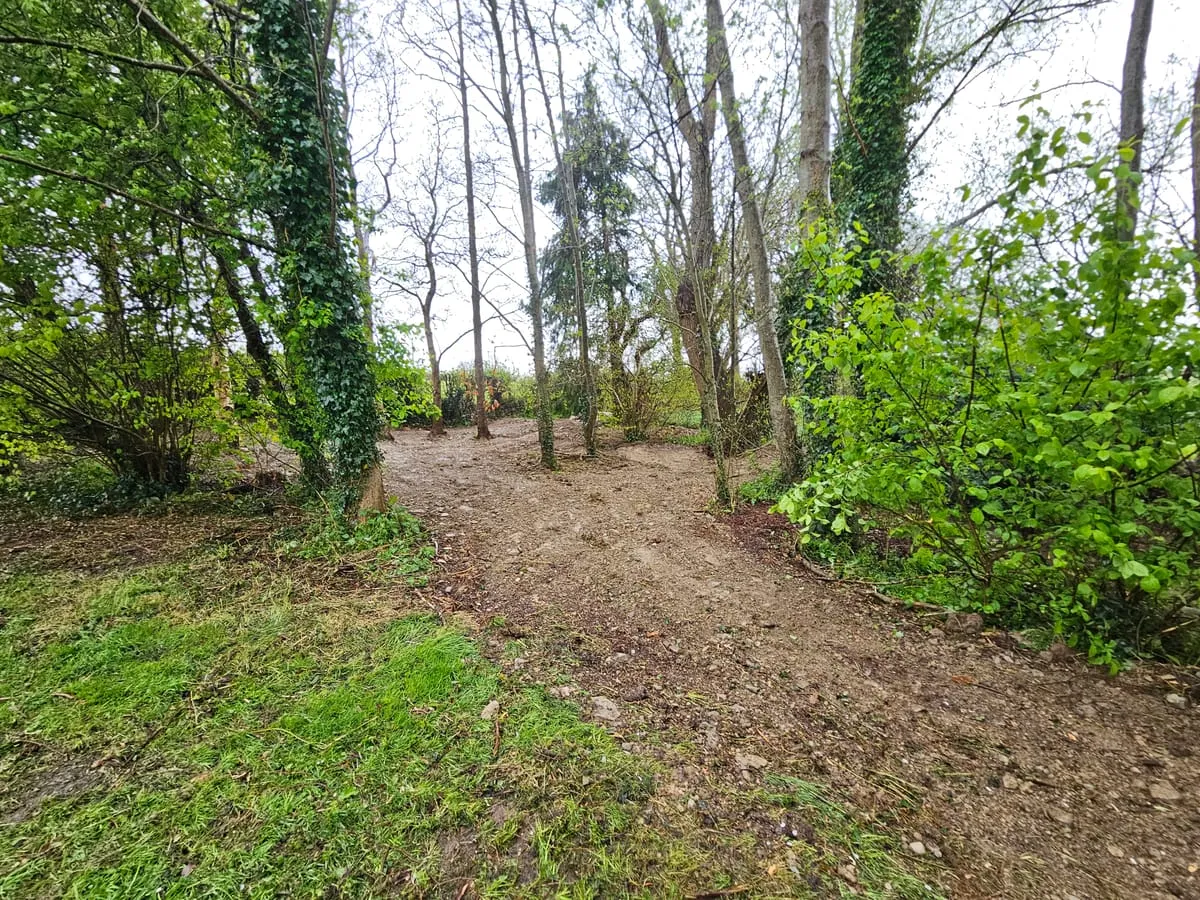
The hedgerows that crisscross the Louth countryside are not just field boundaries. They are some of the richest wildlife habitat we have, and most of them are made from a handful of native species that have been used here for centuries: hawthorn, blackthorn, hazel, holly and a few others mixed in.
If you are planting a new hedge or restoring an old one, those same traditional plants are still the best choice. They are adapted to our soil and climate, they feed birds and pollinators, and they make a proper stockproof, weatherproof boundary.
What makes a traditional Irish hedgerow
Old hedges were planted to divide land and keep livestock in, using whatever native plants grew well locally. Over time those boundaries turned into thriving little ecosystems. The plants were chosen for practical reasons that still hold:
- Hawthorn for fast, thorny, stockproof growth.
- Blackthorn for early flowers and a dense, defensive barrier.
- Hazel for flexible rods used in hedge laying and craft work.
A good mixed hedgerow combines several of these so something is flowering or fruiting through most of the year.
The core native species
Hawthorn (whitethorn)
Hawthorn is the foundation of nearly every Irish hedge. It grows quickly into dense, thorny growth, takes hard cutting and grows in almost any soil, including the heavy clay common around Dundalk. White May blossom feeds bees, red haws feed birds in autumn, and the thorny structure makes safe nesting cover.
Blackthorn (sloe)
Blackthorn flowers very early on bare branches, which makes it valuable for bees coming out of winter. Its thorns form a barrier little can push through, and the dark sloes feed wildlife in autumn. It thrives in exposed, poor ground where softer plants struggle.
Hazel
Hazel grows as a multi-stemmed shrub and produces straight, flexible rods that were traditionally cut for hedge laying, stakes and basketry. Its early catkins are one of the first signs of spring, and the nuts feed birds and small mammals.
Holly
Holly adds evergreen structure to a deciduous hedge, giving cover and shelter through the winter. Female plants carry the familiar red berries that birds depend on in hard weather.
Other useful additions
- Elder grows fast and fills gaps quickly, with summer flowers and autumn berries.
- Rowan brings spring flowers and orange-red berries that thrushes love.
- Dog rose scrambles through the hedge, adding flowers and red hips.
- Guelder rose copes with damp ground and gives good autumn colour and berries.
Takeaway: a hedge of mostly hawthorn and blackthorn, with hazel, holly and a few extras mixed in, gives you a hedgerow that looks right, lasts, and supports plenty of wildlife.
The legal cutting season
This catches a lot of people out, so it is worth being clear. It is against the law to cut roadside and field hedges between 1 March and 31 August, to protect nesting birds. There are limited exemptions for genuine safety reasons, but for ordinary hedge work you should not be cutting during that period.
That gives you September to the end of February to do the work. Leaving the main cut until late winter is kinder to wildlife, because it keeps the autumn berries available for birds through the hungry months. Even in the open season, always check for late or active nests before you start.
Planting and managing a hedgerow
You do not need much to get a hedgerow going:
- Plant bare-root whips between November and March while the plants are dormant. They are cheap and establish well.
- Space them at three to five plants per metre, in a single or staggered double row.
- Keep the base clear of grass and weeds for the first couple of years.
- Trim lightly and regularly rather than cutting hard every few years.
For older, gappy, overgrown hedges, traditional hedge laying (partly cutting and bending the stems over) thickens the base and gives the whole thing a new lease of life. It is skilled work, but it transforms a tired hedge.
Sourcing plants
Look for native Irish stock from a proper nursery. Plants raised from Irish-collected seed are best suited to local conditions. A typical native hedging mix will include hawthorn, blackthorn, hazel, holly, crab apple, elder and guelder rose in sensible proportions.
Local help in Louth
If you want a hand planting a new hedgerow or restoring an old one, Lawn Mowing Dundalk covers Dundalk and the surrounding Louth and Cooley area, and we time the work to stay within the nesting-season rules. Call 085 168 5170 or get a free quote at /#quote.
See our hedge trimming service for ongoing care, and our guide to the best hedges for wildlife for more on choosing species.