How to Fix Bare Patches in Irish Lawns: A Practical Repair Guide
Turn bare patches into thick, healthy grass with this step-by-step Irish lawn repair guide. Covers finding the cause, soil prep, seed choice, and aftercare.
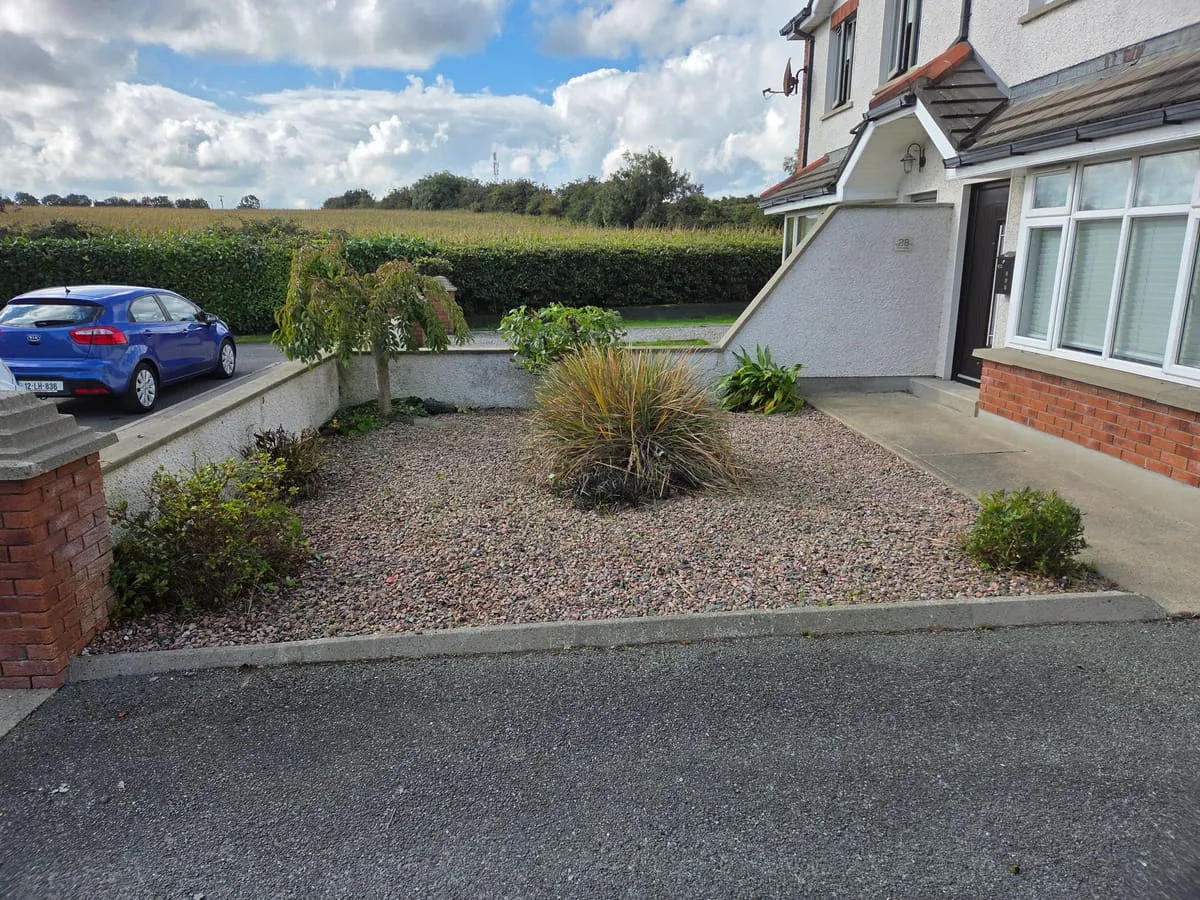
Bare patches make a whole garden look neglected, and they rarely fix themselves. Irish weather is great for growing grass, but it’s just as good at stopping a lawn reseeding naturally, so those patches tend to spread until you do something about them. The good news is they’re usually straightforward to repair once you know why they appeared.
First, work out what killed the grass
Before you scatter any seed, figure out the cause. Fix that, or you’ll be back patching the same spot next year.
Wear and traffic
The most common cause in Irish gardens. Shortcuts to the bins, the path to the washing line, a dog’s favourite route. The grass thins, then goes bare, and the soil underneath gets packed hard. Overseeding alone won’t hold here, because the compaction kills new grass too. If the traffic is still happening, you may need to reroute it or put in a proper path first.
Disease or pests
Some patches have a tell-tale shape. Fairy rings show as circles or arcs. Red thread leaves bleached patches with fine reddish threads. Leatherjacket and chafer grub damage often shows as patches the birds have torn up looking for grubs, sometimes with turf that lifts like a loose carpet. If a disease or pest is the cause, deal with that before reseeding or the new grass gets hit the same way.
Weather and site stress
Under trees, grass struggles with shade and root competition. North-facing slopes can stay damp and grow moss. Along the coast, salt spray in winter storms can scorch exposed grass. And dog urine leaves small dead circles ringed with very green grass, which need the soil flushed before they’ll take seed again.
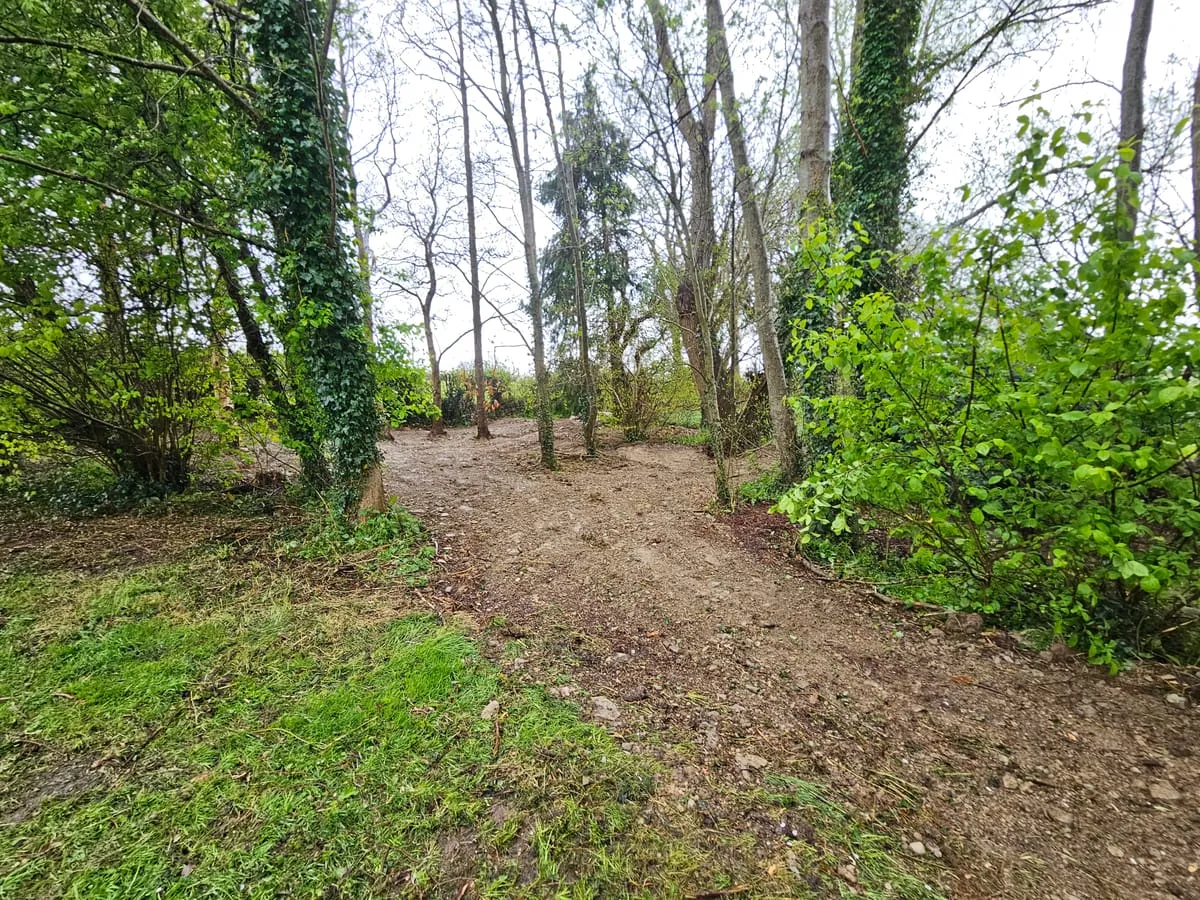
Prepare the soil properly
This is where most repairs succeed or fail. Seed scattered on dead, hard soil won’t grow.
Break up compacted ground
Drive a garden fork in 15 to 20cm deep and rock it back and forth to shatter the packed layer. Heavy Louth clay can set like concrete, so work when it’s slightly moist, not waterlogged. Mixing in a little sharp sand (not fine builder’s sand) helps drainage and stops it packing down again.
Add some organic matter
Work compost, well-rotted manure or good topsoil into the top few centimetres so the new roots have something decent to grow into, not just sit on top of. If the soil is very poor or contaminated, it’s sometimes worth lifting the top layer and replacing it with fresh topsoil.
Choosing and sowing seed
Use a hard-wearing perennial ryegrass mix for most repairs, ideally one described for Irish or northern conditions. For shady, low-traffic spots, a fine fescue mix copes better with shade. For areas that take a hammering from kids and dogs, a tough sports mix is worth the extra.
A few practical tips:
- Don’t be stingy with seed. For bare patches, sow at roughly double the rate you’d use for overseeding so the new grass fills in fast and crowds out weeds.
- Sow in two directions (one way, then across) for even coverage.
- Best timing is spring or early autumn, when the soil is warm and damp.
Aftercare is half the job
Keep it damp
New seed needs steady moisture for two to three weeks. Aim for the soil staying damp like a wrung-out sponge, not soaked. In dry spells that usually means a light watering once or twice a day with a fine spray that won’t wash the seed away. Once the grass is established, ease back to normal watering.
Keep traffic off
One person walking across newly germinated grass can undo weeks of work. Put up a temporary barrier or reroute the path. Netting or fleece over the patch protects it from birds and heavy rain and speeds things up.
When to get help
If the same patches keep failing no matter what you do, there’s usually an underlying cause being missed, like a drainage fault, hidden compaction or a soil problem. And if a large part of the lawn is gone, a full renovation is often quicker and cheaper than repeated patching.
We sort exactly these jobs across Dundalk and the wider Louth and Cooley area, from patch repairs to full lawn renovations. Call 085 168 5170 or request a free quote and we’ll take a look.