Best Evergreen Bushes for Landscaping in Ireland
A practical guide to evergreen shrubs for Irish gardens. Reliable native and non-native choices, where to plant them, and how to keep them looking good with minimal fuss.
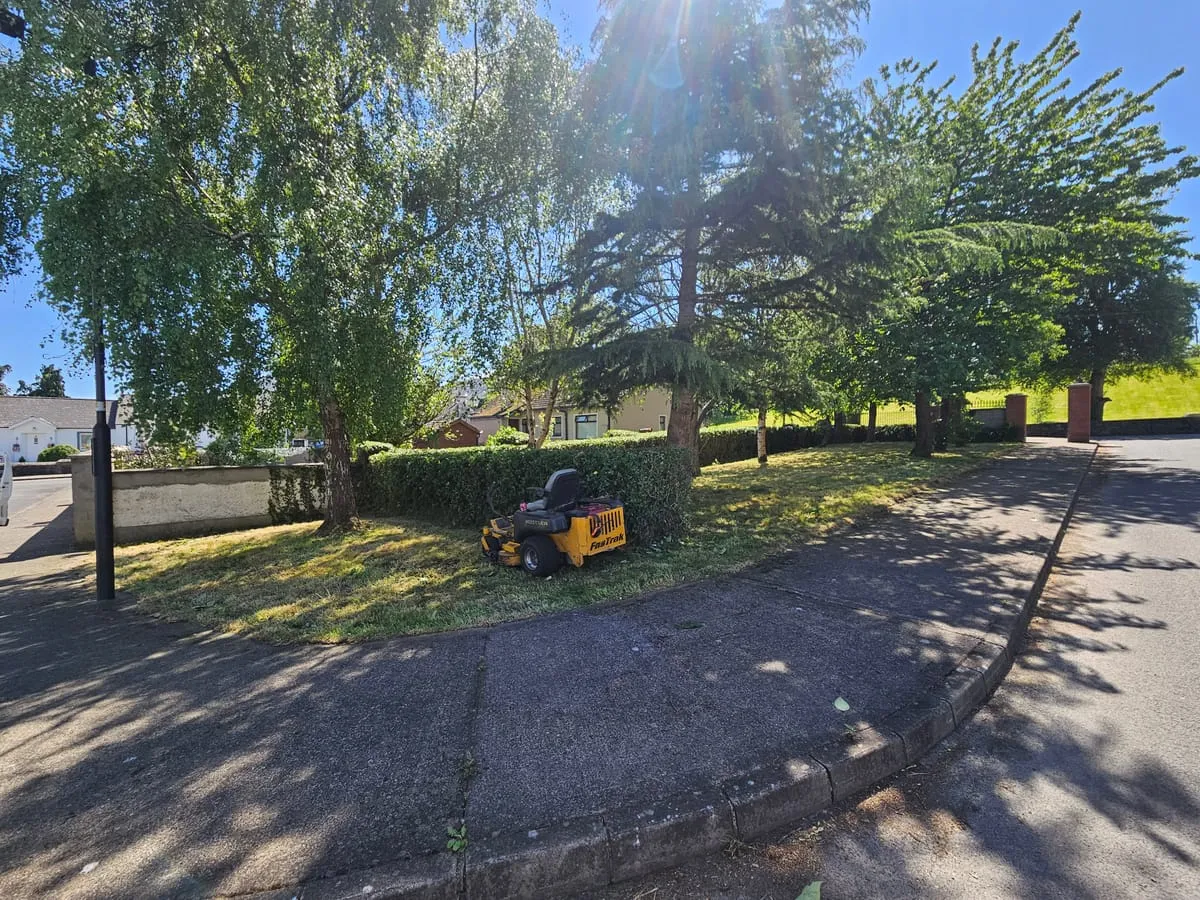
Evergreens are what keep an Irish garden looking like a garden in January. While everything else has dropped its leaves, evergreen shrubs hold their shape, give you privacy and provide cover for birds through the worst of the weather. Get a few good ones in the right spots and the whole garden has a backbone all year round.
The trick is picking shrubs that genuinely like our conditions, which means mild winters, plenty of rain and the odd salty wind off the coast around Dundalk and the Cooley peninsula. Some evergreens love that. Others sulk and rot.
What Irish conditions mean for evergreens
A few simple things to keep in mind before you buy:
- Drainage matters more than anything. Our heavy clay soils hold water, and waterlogged roots kill more evergreens than cold ever does. If a spot sits wet through the winter, either improve the drainage or choose a shrub that copes with it.
- Wind and salt near the coast will burn the foliage of tender shrubs. Stick to tough, salt-tolerant species in exposed spots, or give them shelter.
- You rarely need to water once a shrub is established. The rain handles it.
The bonus is that our mild winters let you grow some evergreens here that would struggle in colder parts of Europe.
Reliable native evergreens
Holly
Holly is the most useful native evergreen for most gardens. It handles almost any soil, copes with sun or shade, and takes hard clipping, so you can use it as a formal hedge, a clipped shape or a specimen. Female plants carry red berries that feed birds in winter. Slow but tough and long-lived.
Yew
Yew is the classic choice for formal hedges and shapes. It is slow to start but lives for centuries, takes clipping better than almost anything, and even comes back from a hard cut into old wood, which most conifers will not. It suits both formal designs and quiet, dark backdrops. Note that the foliage and seeds are poisonous, so keep it away from where animals or small children might be tempted.
Gorse
Not a garden shrub for everyone, but gorse earns its place on a difficult bank or exposed boundary where nothing else will grow. Its golden flowers feed early pollinators, and it thrives on poor, dry soil. It actually does worse in rich ground.
Non-native evergreens worth growing
These are not native, but they do well in Irish gardens when you give them the conditions they want.
- Rhododendrons give you spectacular spring flowers, but they need acid soil and a sheltered, partly shaded spot. Avoid the wild R. ponticum, which spreads aggressively into the countryside.
- Camellias flower in late winter and early spring when little else does. They also want acid soil and shelter from cold morning sun, which can damage the open flowers.
- Bay laurel doubles as a kitchen herb and a smart clipped evergreen for a pot or a formal corner. It likes shelter in exposed coastal gardens.
- Box (buxus) is the traditional low edging for formal beds and paths. It clips tightly into neat lines, though keep an eye out for box blight in damp conditions.
Using evergreens in the garden
A few placement ideas that work well:
- Backbone planting. Use a handful of evergreens to set the structure, then let seasonal flowers and perennials come and go around them.
- Screening. An evergreen hedge or group blocks an ugly view or a neighbour’s window all year, unlike a deciduous one that goes bare in winter.
- Shelter. A tough evergreen planted on the windward side creates a calmer, warmer pocket where more tender plants can grow.
- Focal points. A single well-grown specimen, such as a clipped holly or yew, gives the eye something to settle on.
Takeaway: start with two or three reliable evergreens for structure, get the drainage right, and build the rest of the garden around them.
Planting and keeping them
- Plant in autumn (roughly September to November) so roots settle in before spring, or in spring if you can keep them watered through any dry spell.
- Improve drainage on heavy ground before planting, with grit and organic matter or by planting slightly raised.
- Mulch after planting to hold moisture and keep weeds down.
- Clip at the right time. Most evergreens are happy with a trim in late spring or summer once they are established. Always check for nesting birds before cutting a hedge.
Established evergreens are about as low-maintenance as planting gets, usually just an annual trim and a mulch.
Local help
If you want a hand choosing, planting or keeping evergreens in shape, Lawn Mowing Dundalk covers Dundalk and the wider Louth and Cooley area. Call 085 168 5170 or get a free quote at /#quote.
See our garden maintenance service for ongoing care, or our hedge trimming service to keep evergreen hedges crisp.