Carbon Neutral Garden Maintenance in Ireland
Practical low-carbon gardening for Dundalk and Louth. Electric tools, organic methods and simple changes that cut emissions and costs without the hassle.
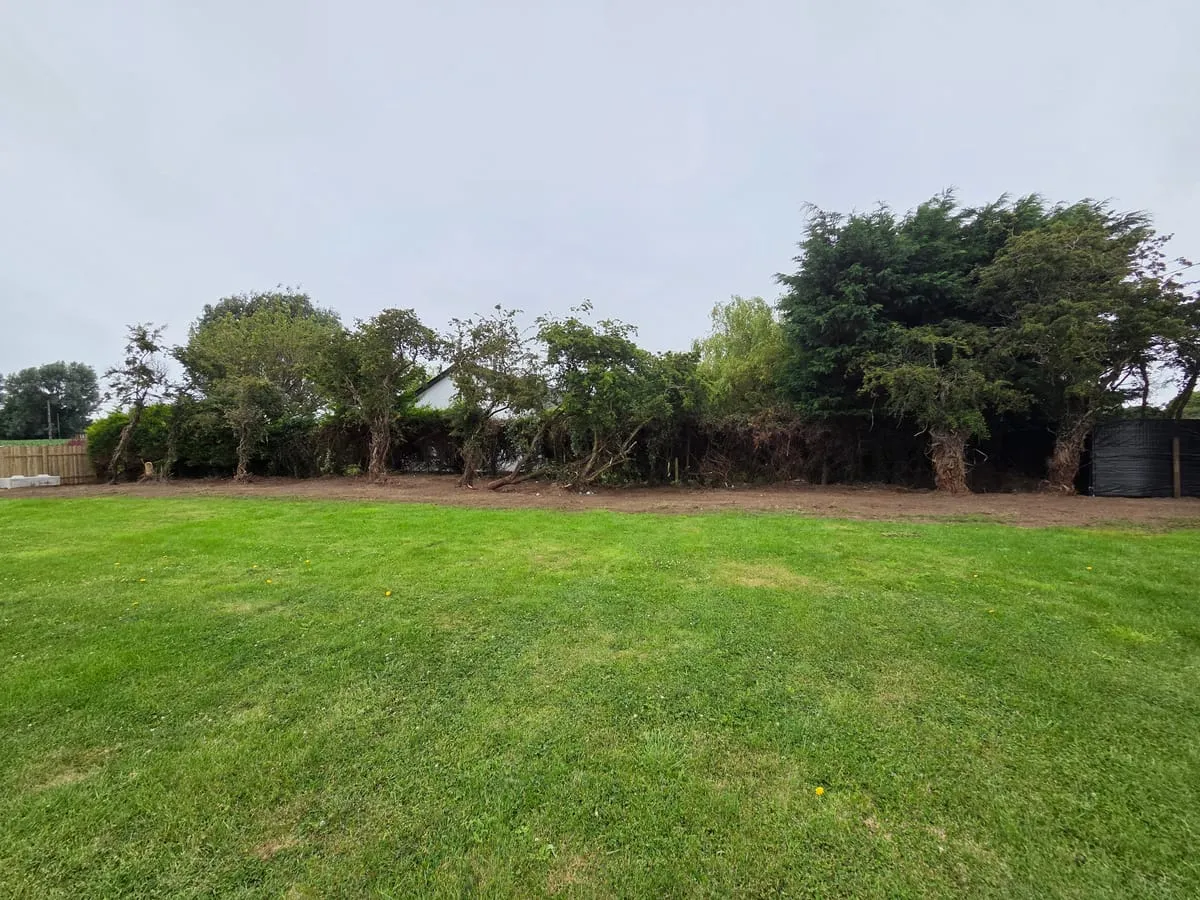
You do not need to turn your garden into a science project to make it greener. A few sensible changes cut the fuel, the noise and the running costs, and most of them make the garden nicer to be in too. Here is a practical, no-nonsense look at lower-carbon garden maintenance that suits an ordinary Louth garden.
Switch to electric tools
This is the single biggest change most people can make. Battery-powered mowers, strimmers, hedge trimmers and blowers have come on a long way and now do a proper job in a typical garden.
The advantages are real and immediate:
- No petrol and no fumes. Nothing to mix, store or breathe in.
- Much quieter. Easier on you and on the neighbours, and fine for early or late jobs.
- Less maintenance. No carburettor, no oil changes, no fiddly seasonal storage.
- Lower running costs. A charge costs a fraction of a tank of petrol.
If you are buying into a battery system, look for a range where one battery fits several tools. It keeps the cost down and means you are not juggling chargers. For a small garden a single mower may be all you need. For a larger plot, a spare battery saves stopping halfway.
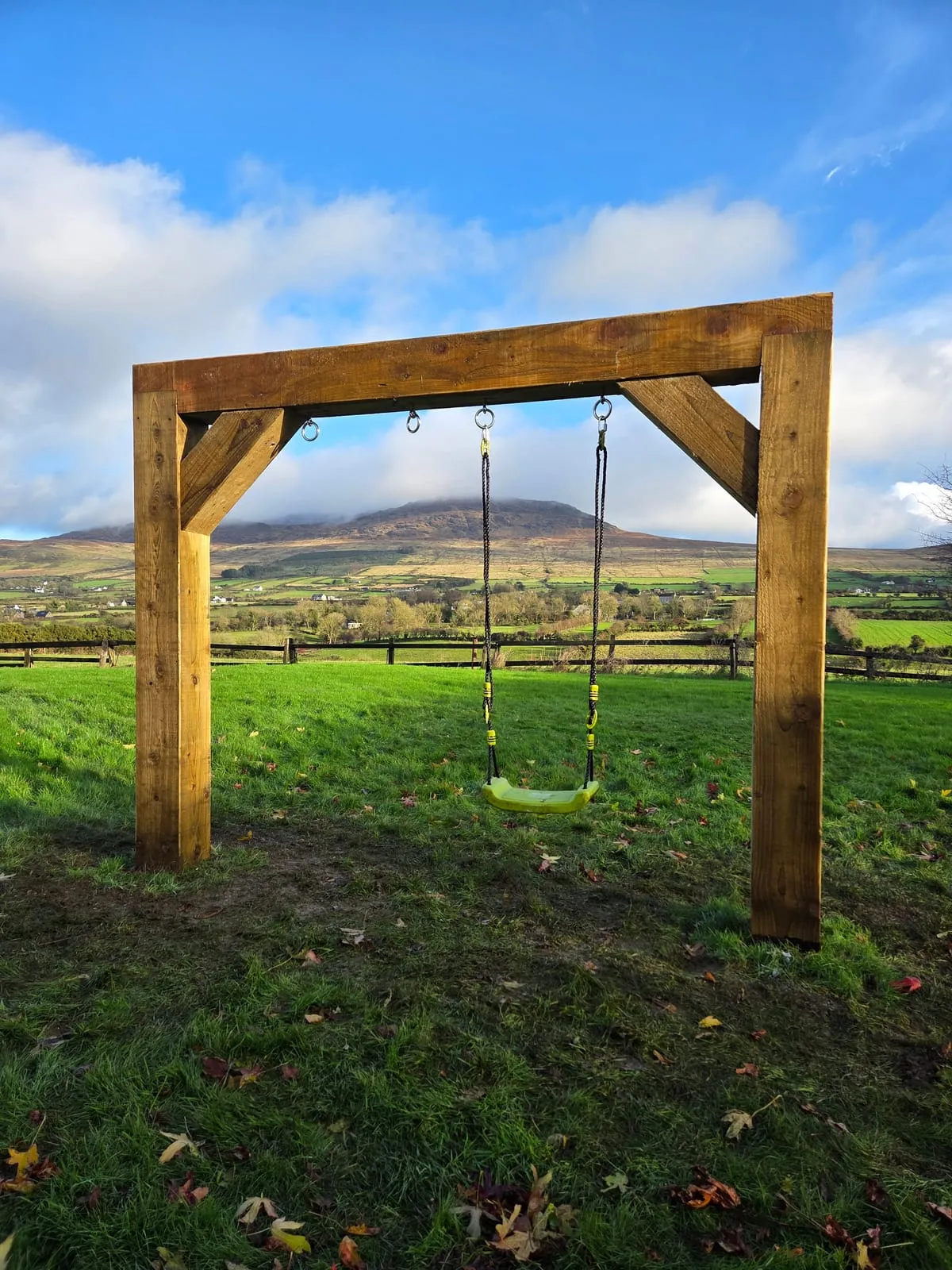
Look after your soil
Healthy soil is the quiet hero of a low-carbon garden. Feed it with compost and organic matter rather than relying on bags of synthetic fertiliser, and it holds moisture better, grows stronger plants and needs less input from you over time.
A simple routine works:
- Start a compost heap for grass clippings, leaves and kitchen scraps.
- Spread homemade compost or well-rotted manure on the beds once a year.
- Mulch beds to feed the soil as it breaks down and to keep weeds down.
You are recycling waste that would otherwise leave the garden and building better soil at the same time. Our heavy Louth clay in particular responds well to regular organic matter.
Mow a little less, and leave the clippings
You do not have to cut the lawn quite as often or quite as short. Slightly longer grass is healthier, copes better in dry spells and develops deeper roots. Leaving the clippings where they fall (mulch mowing) returns nutrients to the soil and cuts the need for feed.
If you like the idea, leaving a corner of the lawn longer or a small wildflower patch gives pollinators a hand with almost no work involved.
Choose plants that look after themselves
The less a plant needs, the lower its footprint. Native and well-adapted plants suited to our mild, damp climate generally need less watering, less feeding and less fussing than tender exotics.
- Pick plants that suit your soil and aspect rather than fighting the conditions.
- Plant densely so beds shade out weeds and need less intervention.
- Group thirsty plants together so any watering is efficient.
Save water where it is easy
We get plenty of rain here, so it makes sense to catch some of it. A water butt on a downpipe gives you free water for the dry spells, and watering deeply but less often encourages plants to root down and cope on their own. Mulched beds hold moisture far longer than bare soil, so you water less in the first place.
Small steps add up
You do not have to do all of this at once. Swap to an electric mower when the old petrol one gives up. Start a compost heap this weekend. Cut a little less often. Each change is small on its own, but together they make a garden that is cheaper to run, quieter, and kinder on the environment, without losing anything in how it looks.
A greener garden, kept simple
If you would rather someone took the regular work off your hands, we are happy to help. Seamus and the team cover Dundalk and the surrounding Louth and Cooley area, with mowing, hedge work and garden maintenance. Call 085 168 5170 or get a free quote at /#quote.
For ongoing care, see our garden maintenance services.