When to Plant Hedging in Ireland: Seasonal Guide and Best Practices
When to plant a hedge in Ireland, bare root versus container plants, soil preparation for our heavy clay, and the aftercare that gives a hedge the best start in Louth gardens.
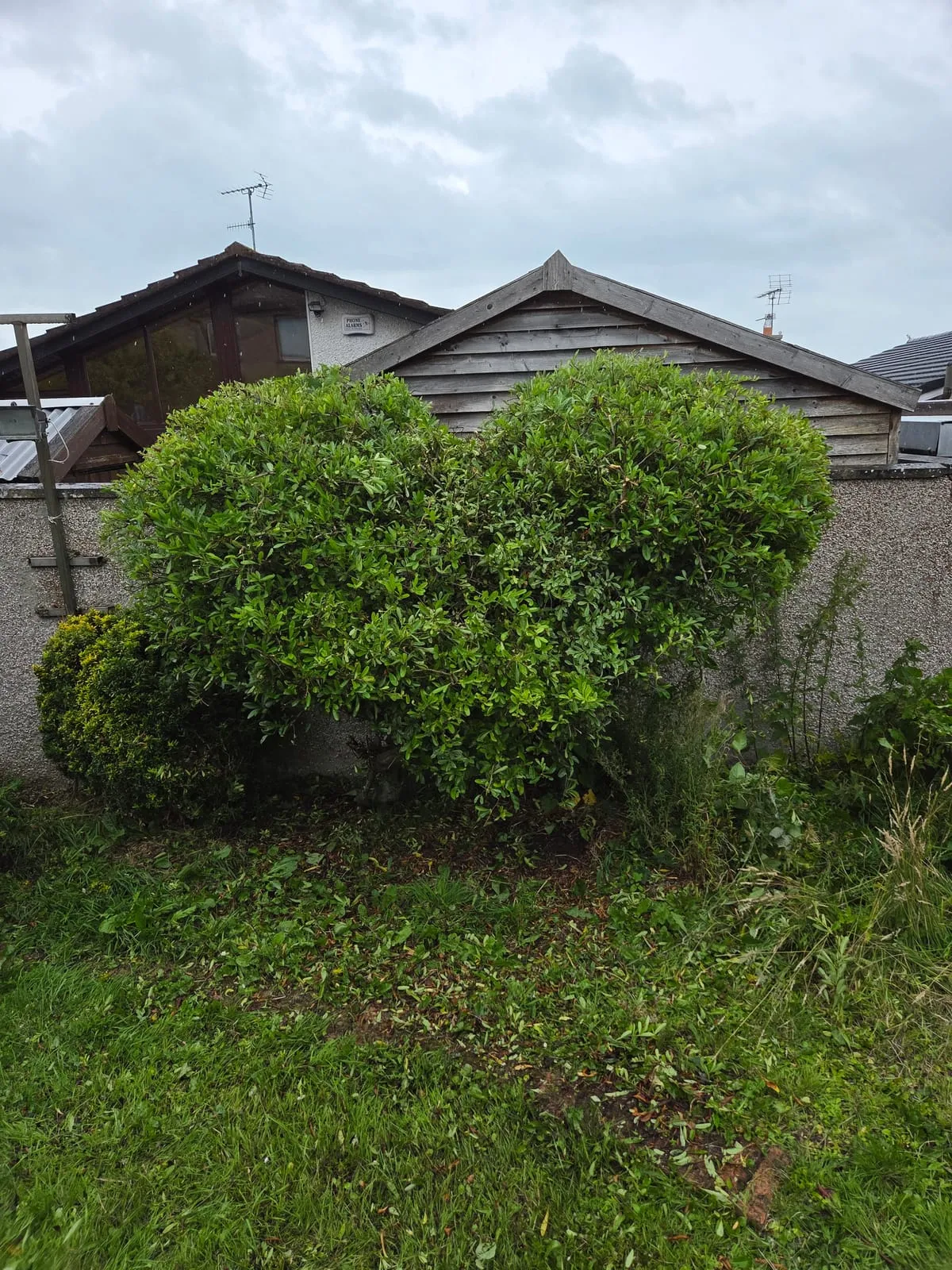
Get the timing right and a new hedge settles in quickly and almost looks after itself. Get it wrong and you end up with gaps, dead plants and a replanting job a year later. The single biggest factor is when you put the plants in the ground.
The short version: in Ireland, the dormant season from roughly November to March is the best time to plant a hedge, and bare-root plants put in during that window are both the cheapest and the most reliable option.
Why the dormant season works
When plants are dormant over winter they are not trying to support leaves or new growth, so all their energy goes into settling their roots into the new soil. Our mild winters mean the ground rarely freezes solid the way it does on the continent, and there is usually plenty of moisture, so the roots can get established with very little help from you.
By the time spring arrives and the plant wants to push out leaves, it already has a working root system to draw on. Plant the same hedge in summer and it has to grow roots and support leaves at once, often through a dry spell, which is far harder.
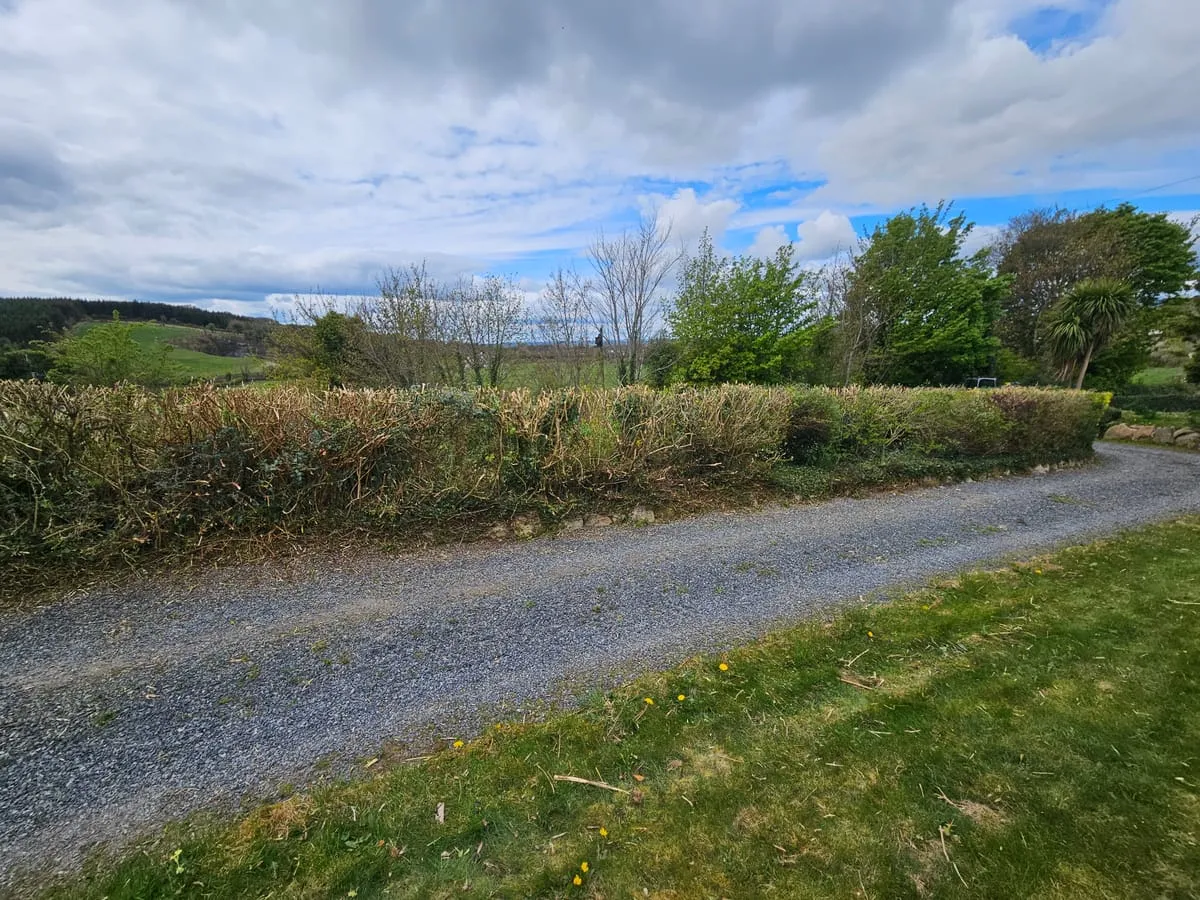
Bare root or container?
For most hedges, bare-root plants are the better buy:
- They are much cheaper, especially in quantity.
- They have open, undamaged root systems that take to new soil readily.
- The catch is they are only sold and planted during the dormant season, and they need to go in promptly once you have them.
Container-grown plants can be planted any time of year, which is handy if you have missed the bare-root window or only need a few. They cost more, and pot-grown roots can circle inside the container, so tease them out before planting. If you are planting in spring or summer from pots, be ready to water through any dry spell.
Preparing the ground
Around Dundalk and across much of Louth the soil is often heavy clay, which holds water. Waterlogged roots are the most common reason a new hedge fails, so drainage is where to put your effort.
- Check how the ground sits in winter. If a spot stays wet for long periods, improve it before planting, with organic matter and grit, by planting on a slight ridge, or with a drain on badly affected ground.
- Clear grass and weeds from a strip along the planting line. Young hedge plants lose out badly to competing weeds.
- Loosen compacted ground so roots can get down, but you rarely need to dig in lots of fertiliser. Native hedge plants are not fussy feeders.
Takeaway: sort the drainage and clear the weeds first, and you have done most of the work that decides whether a hedge thrives.
Timing for different plants
- Deciduous natives (hawthorn, blackthorn, hazel, beech) are ideal for bare-root planting any time through the dormant season. Autumn planting, into still-warm soil, gives roots a head start.
- Evergreens (holly, yew, box) are often best in early autumn or early spring, so they establish before harsh weather. They keep losing water through their leaves in winter, so they need a bit more care if planted late.
- Mixed hedges are easiest planted in one go during the dormant season, when nearly all the common species are happy to go in.
Planting and aftercare
- Spacing: roughly 30 to 50cm apart in a single row, or a staggered double row for a thicker hedge.
- Depth: plant to the same soil level the plant grew at before. Do not bury the stem or leave roots exposed.
- Bare-root prep: soak the roots before planting and trim off any damaged ones.
- Firm in and water: settle the soil around the roots and water in well to remove air pockets.
- Mulch: a mulch along the base holds moisture and keeps weeds down.
- Keep weeds off for the first two or three years until the hedge is big enough to fend for itself.
After that, our rainfall usually handles the watering, apart from an unusually dry spring.
One thing to plan around
If you are planting and also cutting back an existing hedge, remember that trimming established roadside and field hedges is not allowed between 1 March and 31 August because of nesting birds. Planting itself is fine, but plan any cutting for the autumn-to-winter window.
Local help
If you would like a hedge planted properly and given the right start, Lawn Mowing Dundalk covers Dundalk and the surrounding Louth and Cooley area. Call 085 168 5170 or get a free quote at /#quote.
See our garden maintenance service for ongoing care, and our guide to the best hedges for wildlife for help choosing what to plant.