When to Cut Lawns Ireland: Complete Seasonal Mowing Guide 2025
When to mow your lawn in Ireland through the year. Seasonal timing, cutting heights and frequency for healthy grass in the Irish climate.
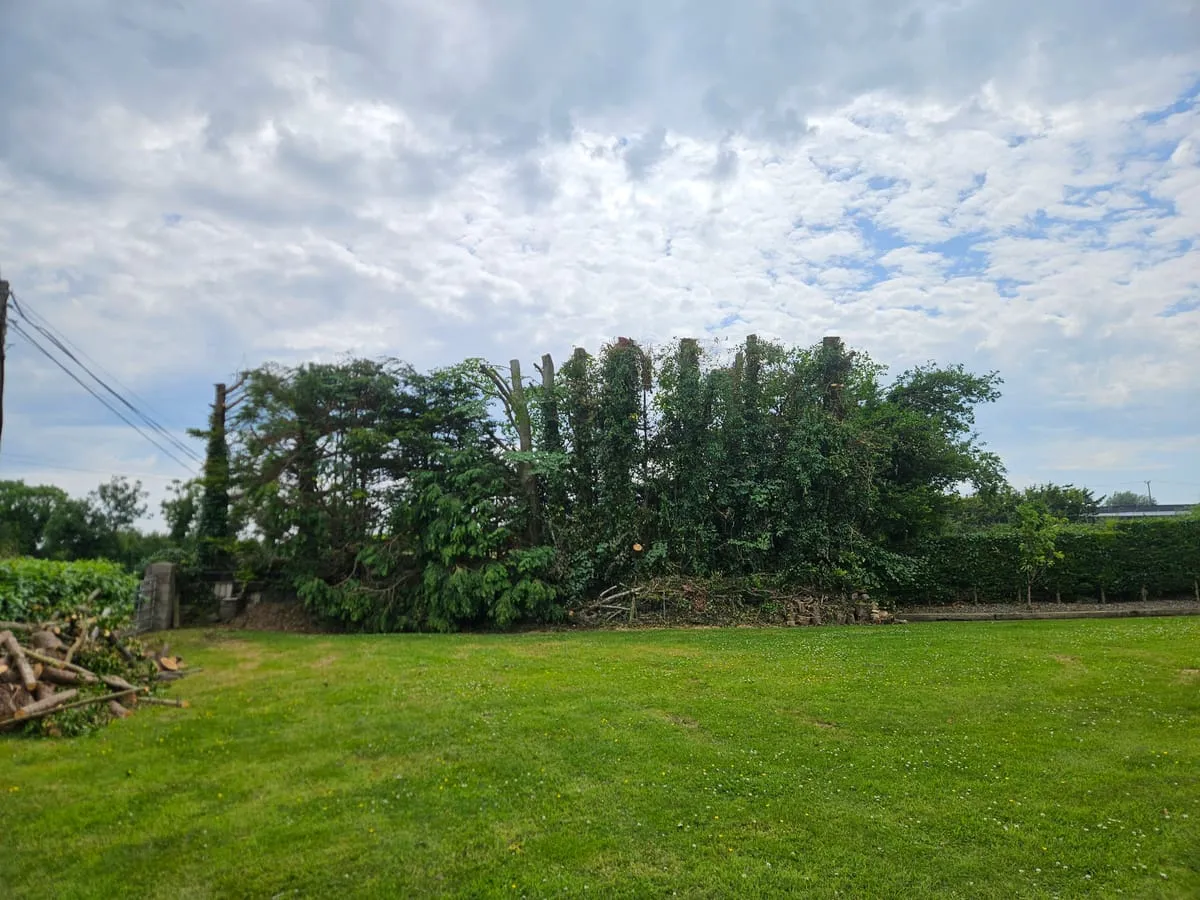
Mowing at the right time, and the right height, makes more difference to a lawn than most people realise. Cut too early in spring or too short in summer and you stress the grass. Leave it too long and you end up shock-cutting a jungle. The trick in Ireland is to work with our mild, damp climate rather than against it.
Here is a straightforward season-by-season guide to when to cut, how often, and how short.
How Irish grass grows
Grass growth comes down mostly to soil temperature and moisture. Two things to keep in mind:
- Grass starts growing once the soil holds above about 5°C and grows best around 10°C. Below 5°C it more or less stops.
- Moisture is rarely the problem here. Our regular rain keeps the lawn growing through most of the season, which is why grass grows so fast and so often.
Most Irish lawns are mainly perennial ryegrass, which is tough, recovers quickly from mowing and copes well with our weather. That makes timing forgiving, but it still pays to get the broad strokes right.
Spring: getting started
The first cut of the year is the one people most often rush. Wait until:
- The grass is actively growing and has reached about 8 to 10cm (roughly 4 inches).
- The ground is firm enough to walk on without sinking, and not frozen or waterlogged.
For that first cut, set the mower high and just take the top off. Cutting it hard straight out of winter shocks grass that is barely awake. Then bring the height down gradually over the following weeks. As growth picks up through spring, you will move from the odd cut to roughly weekly.
Summer: keeping on top of it
This is peak growing season. Expect to mow about once a week, sometimes more during a warm, wet spell.
A few summer pointers:
- Do not scalp it. Keeping the grass a touch longer (around 3 to 4cm) shades the soil, holds moisture and helps it cope in dry spells.
- Follow the one-third rule. Never take off more than a third of the height in one go. If it has got away from you, bring it down over two cuts a few days apart.
- In a dry, hot spell, ease off. If the grass stops growing and goes off-colour, leave it longer and cut less. Mowing stressed, dormant grass does more harm than good.
- Mow in the cooler part of the day and only when the grass is dry.
Autumn: winding down
As the weather cools, growth slows and you can drop back to roughly every two weeks, watching the actual growth rather than the calendar.
Towards the end of the season:
- Gradually raise the cutting height again for the last few cuts.
- Aim to finish on a dry day before the ground gets too soft, usually by around mid-November in most years.
- Leave the grass a sensible length for winter, neither scalped nor shaggy. Too short leaves it exposed, too long mats down and invites disease in the wet.
Winter: mostly off
Through winter, growth largely stops and you can put the mower away. In a mild spell the grass may grow a little, and if the ground is dry and frost-free you can take a light top off. Never mow frozen or waterlogged ground, as it damages both the grass and the soil.
Quick frequency guide
- Spring: every two weeks, building to weekly.
- Summer: weekly, sometimes more in warm, wet weather.
- Autumn: every two weeks, easing off.
- Winter: little to none, only the odd light cut in a dry mild spell.
These are guidelines, not rules. The lawn itself is the best signal: if it has grown a third taller than you like it, it is time to cut.
A few habits that help
- Keep the blades sharp. A sharp blade cuts cleanly; a blunt one tears and frays the grass, which then browns off.
- Vary your direction each time so the grass does not lean and the ground does not wear in tracks.
- Cut dry grass. Wet grass clumps, cuts unevenly and can spread disease.
Want it taken off your hands?
If keeping to a regular mowing schedule through the season is more than you can fit in, we cover Dundalk and the surrounding Louth and Cooley area. Call Seamus on 085 168 5170 or request a free quote and we will keep your lawn in good shape all year.