Autumn Lawn Care Checklist for County Louth Gardens
Essential autumn lawn preparation tasks for County Louth. A practical checklist covering feeding, leaf management, drainage, and the final cut for Irish conditions.
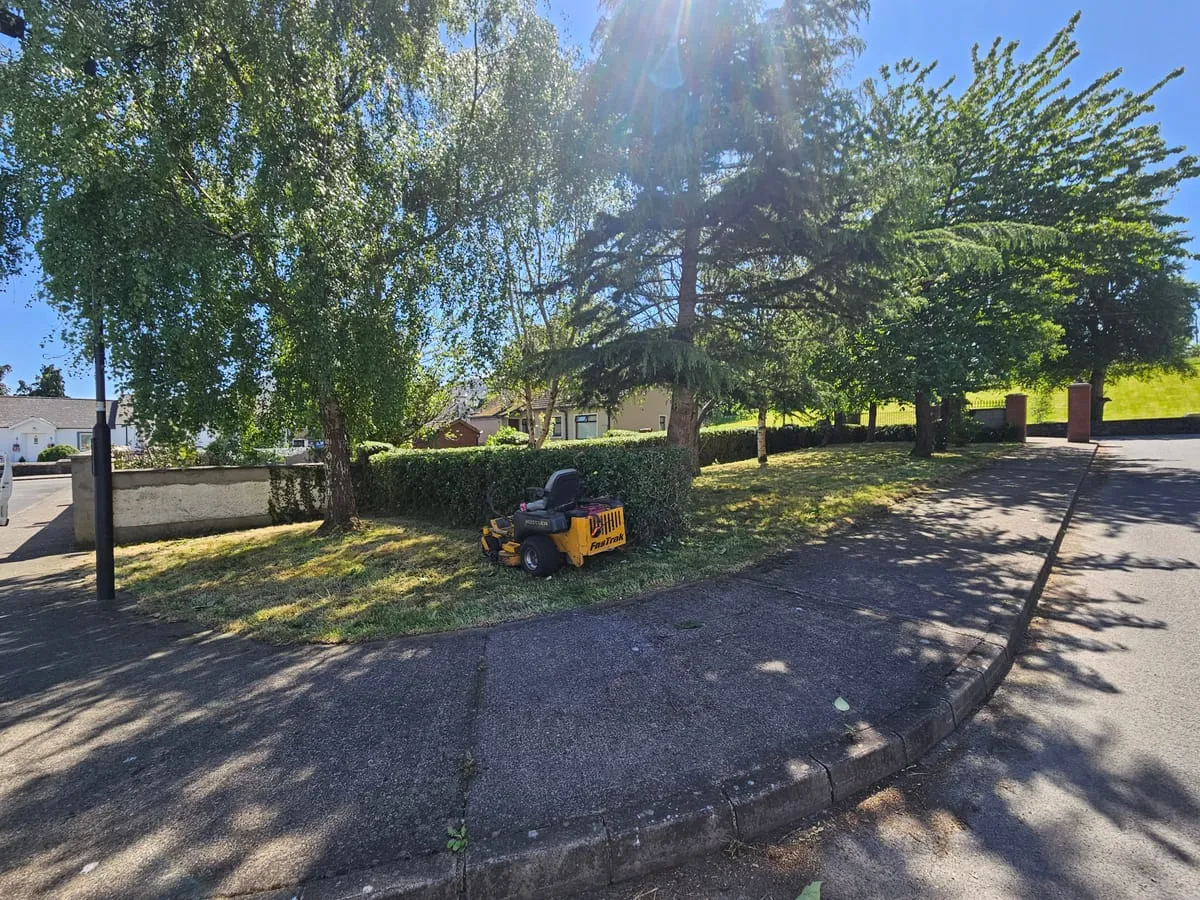
Autumn is the most important season for your lawn, even though it feels like the year is winding down. What you do now decides how the grass looks come spring. A bit of effort over September and October saves you a lot of repair work next year.
Here in Dundalk and across Louth, the real challenge isn’t the cold. It’s the wet. Our winters are mild but soaking, and waterlogging does far more damage to lawns than frost ever will. So autumn prep is really about getting your grass strong and your soil draining before the rain settles in.
September: the last of the real growth
September is your final window for proper lawn work while the grass is still growing actively. Use it.
Give it an autumn feed
This is the most useful feed of the year. The grass is building up reserves for winter and for a fast start in spring.
- Use an autumn lawn feed (low nitrogen, higher potassium). The potassium toughens the grass against frost and disease.
- Avoid high-nitrogen spring feeds now. They push soft growth that gets battered by the first cold snap.
- Apply mid to late September while the grass is still growing but the nights are cooling.
Deal with weeds while you can
Perennial weeds like dandelions and plantain are pulling energy down into their roots this time of year, so spot treatment works better now than in summer. Pick a calm, dry day with no rain forecast for a day or so. Annual weeds will die off over winter on their own, so don’t waste effort on those.

October: aeration, seeding and leaves
October is when the bigger jobs happen. The ground is usually still workable and the grass has a little time left to recover.
Aerate compacted ground
If your lawn gets a lot of foot traffic or sits on heavy clay (common around here), the soil compacts and water can’t drain. Autumn is the best time to relieve that.
- A hollow-tine aerator that pulls small plugs of soil works far better than a spike, which just compacts further.
- Hire one for a weekend if you don’t own one.
- On a small lawn, even pushing a garden fork in deep across the worst areas helps.
Overseed thin and bare areas
If you aerate, sow seed straight after while the holes are open. The seed drops in, gets good soil contact, and is protected from the birds. Choose a hard-wearing ryegrass mix suited to Irish lawns. Done in early October, new grass has time to settle in before the cold.
Stay on top of leaves
Don’t let fallen leaves sit on the grass all winter. They block light, trap damp, and invite disease. You don’t have to clear every last one, but a thick mat needs lifting. A mulching mower chops light leaf fall down into the lawn where it breaks down on its own.
The final cut and winter prep
Get the last cut right
Your last cut of the year matters more than people think.
- Aim for roughly 5 to 7cm. Too short exposes the crowns to frost; too long gets matted down by rain and snow and turns mouldy.
- Cut when the grass is dry to avoid spreading disease.
- Leave short clippings to break down naturally unless the grass was long, in which case lift them.
Sort out drainage
This is the big one for Louth lawns. If water sits on your grass for more than a day after rain, you have a drainage problem that will only get worse over winter. A light top dressing of sandy loam worked into the surface in autumn helps water soak away instead of pooling. Persistent boggy patches may need proper drainage work, which is a bigger job best looked at while the ground is still dry enough to dig.
Keep off frosted grass
When the grass is frozen, stay off it. Frozen blades snap underfoot and leave the lawn open to damage and disease. Wait until the frost has lifted.
The short version
Don’t try to do it all in one weekend. Spread the work across September and October and let the weather guide you rather than the calendar. Focus on the three things that actually matter here: a proper autumn feed, decent drainage, and sensible leaf management. Get those right and an Irish lawn is tough enough to handle whatever winter brings.
If autumn prep feels like more than you want to take on, or you’ve a drainage issue or a big lawn to sort, we can help. Seamus and the team cover Dundalk and the surrounding Louth and Cooley area. Call us on 085 168 5170 or request a free quote.