Artificial vs Natural Grass in Ireland: Complete Comparison Guide
Artificial grass or a real lawn for your Irish garden? An honest comparison of cost, maintenance, the environment and how each copes with Irish weather.
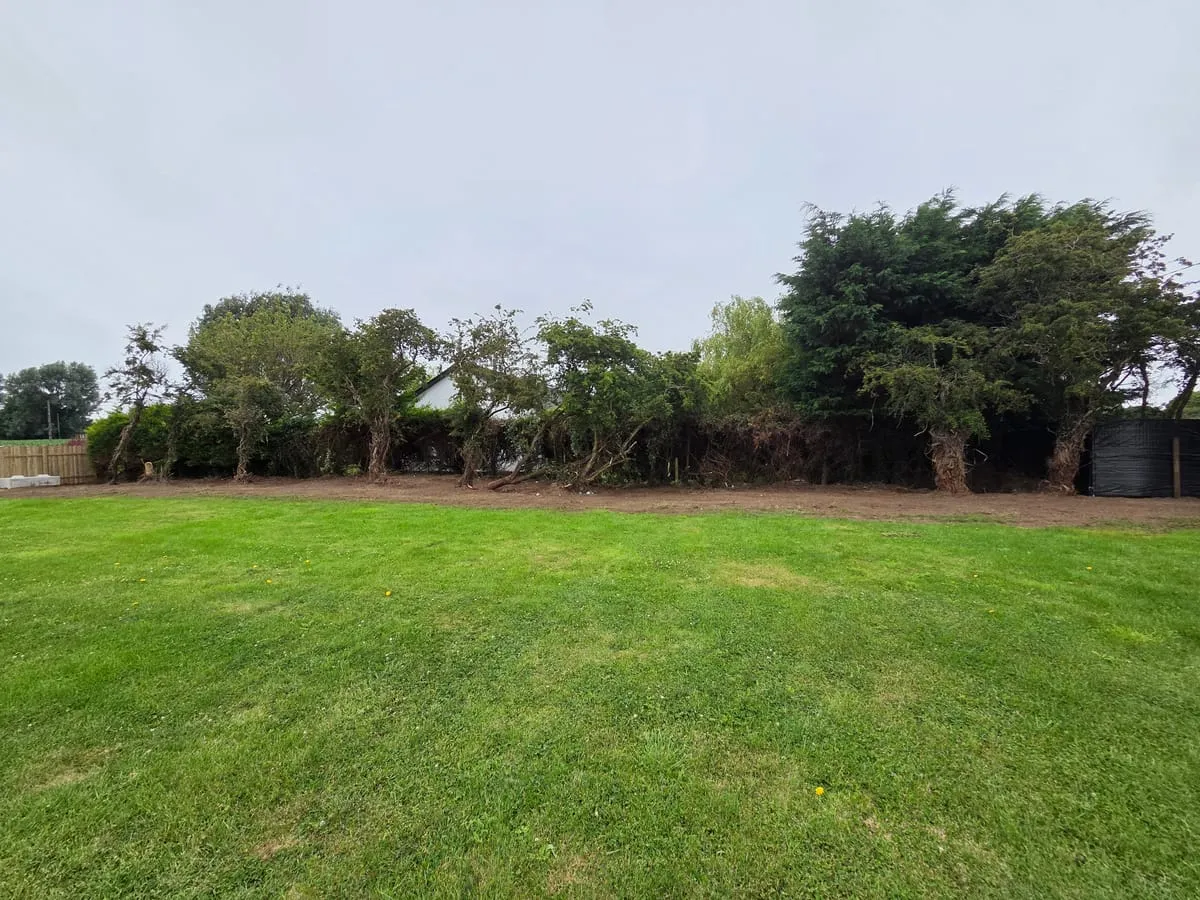
The artificial grass versus real lawn question comes up a lot around County Louth. Walk through any estate and you will see both: pristine artificial lawns that look the same all year, and natural lawns battling moss and waterlogging after a wet winter.
So which actually makes sense for an Irish garden? It is not as clear-cut as the marketing suggests. Both have genuine upsides and real drawbacks, and the right choice depends on your garden, your budget and what matters most to you. Here is an honest look at both.
The cost picture
The big difference is when you pay.
Artificial grass is a large upfront cost. You are paying for the turf itself plus a proper installation: clearing the ground, laying a sub-base and getting the drainage right. That groundwork is where costs climb, and it is not optional in Irish conditions. After that, the day-to-day cost is low. The catch is that artificial grass does not last forever - eventually it wears out and you are back to a full installation with nothing to recover from the old surface.
A natural lawn is cheaper to get going, especially if you already have grass to work with rather than starting from bare ground. The cost then spreads out over the years in mowing, feeding and the odd repair, plus either your own time or a regular service.
Roughly speaking: artificial grass front-loads the cost, a natural lawn spreads it out. Which works better for you depends on how long you plan to stay and whether you would rather pay once or pay as you go. For a real figure either way, get a quote based on your actual garden.
How each copes with Irish weather
This is where Irish gardens really test both options.
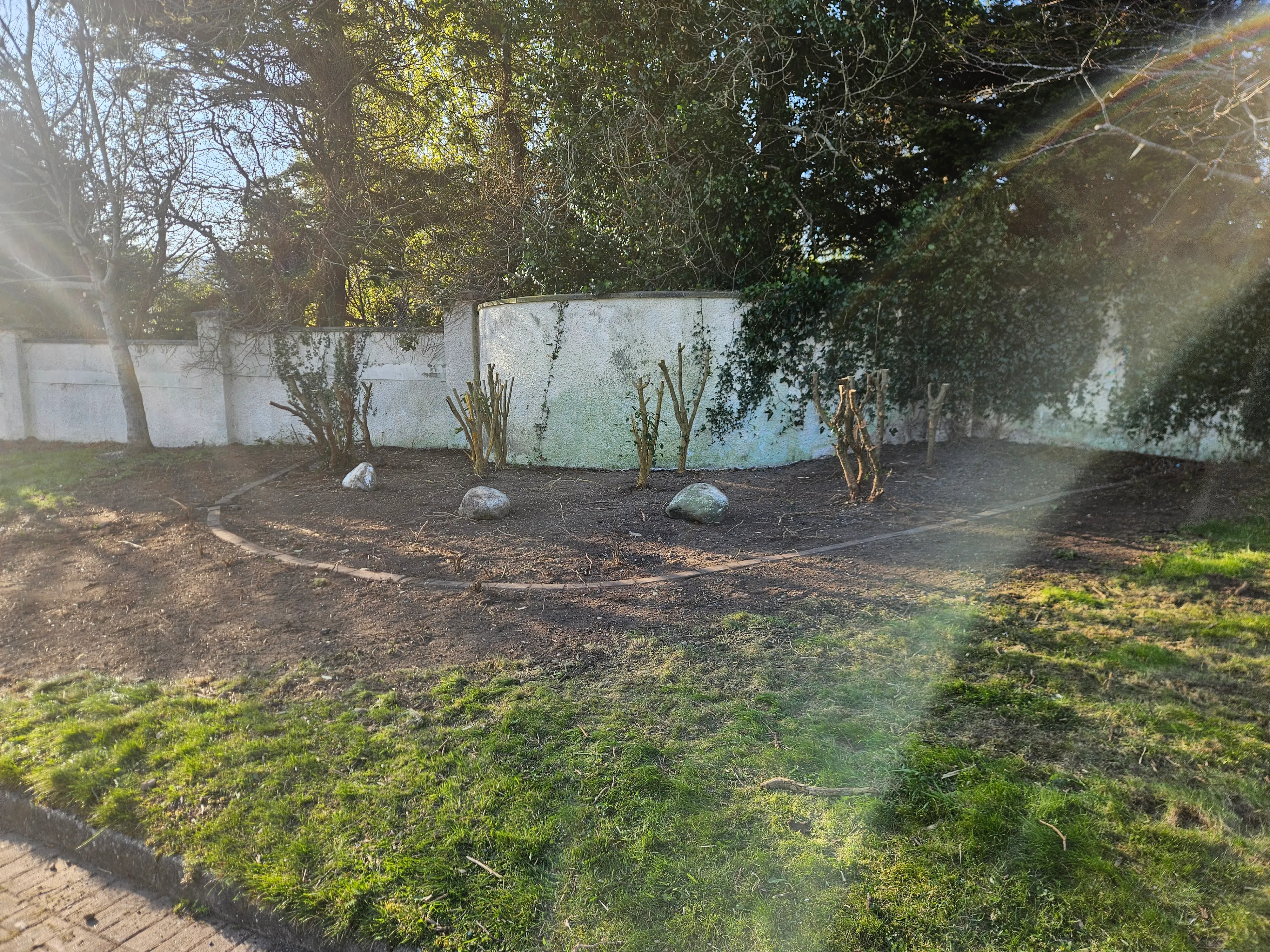
Natural grass struggles in the wet. After a long wet spell, waterlogged soil starves the roots of air, the grass yellows and thins, and moss moves into the gaps. Poorly drained, shaded or compacted lawns get the worst of it. The fix is good drainage, regular aeration and staying on top of the moss - all manageable, but it is ongoing work.
Artificial grass depends entirely on its drainage. Done well, water drains straight through the porous sub-base and the surface stays usable. Done cheaply, with the drainage skimped on, you get puddling and a soggy surface that shows up the first wet winter. The quality of the groundwork under it matters more than the turf on top.
The environmental side
This is a genuine trade-off rather than a clear win either way.
A real lawn is alive. It absorbs carbon dioxide and releases oxygen, soaks up rainfall into the soil rather than shedding it as runoff, and supports soil life, insects and ground-feeding birds. In a built-up area, gardens like that act as little wildlife corridors. The downside is the ongoing emissions from mowing and the inputs that go into keeping it healthy.
Artificial grass removes the mowing and the feeding, but it is plastic. Making it has an environmental cost, it supports no wildlife, it can run rainwater off like a hard surface if the drainage is poor, and it gets noticeably hotter than real grass in the sun. At the end of its life it is difficult to recycle in practice.
If wildlife and soil health matter to you, a real lawn wins on that front. If your priority is a consistent surface with no upkeep, artificial has the edge.
Upkeep over the years
A natural lawn needs regular care: cutting through the growing season, feeding, dealing with moss, occasional aeration and the odd repair after a rough winter. That is either your time or a service. It is steady, predictable work.
Artificial grass is low-maintenance, not no-maintenance. It needs brushing and the occasional clean, the infill can need topping up over time, and after enough years it wears out and has to be replaced.
Which suits you?
Artificial grass makes sense if you want a consistent, usable surface all year with minimal upkeep, you have a heavily used or hard-to-grow area, or you simply do not have time for a lawn. Families with young children or a muddy patch that never grows well often find it earns its keep.
A natural lawn suits you if you enjoy a bit of gardening, you care about wildlife and soil, and your garden drains reasonably well. With the right care it stays healthy and gives you a living, changing space rather than a fixed one.
One thing applies to both: if your garden already has a drainage problem, sort that out first. Neither option works well sitting on waterlogged ground.
The takeaway: neither is the right answer for everyone. Be honest about your budget, your time and how much the living side of a lawn matters to you.
Thinking it through for your garden?
If you would rather keep a real lawn and just want it kept right, or you want help working out what suits your ground, Seamus and the team cover Dundalk and the surrounding Louth and Cooley area.
Call 085 168 5170 or request a free quote. You might also find our Dundalk lawn care cost guide useful.